Most Common Wild Cats In Mexico


Mexico is home to several common wild cats. The Jaguarundi is a medium-sized cat with a slender build, feeding on small prey and having year-round mating habits. Ocelots are known for their nocturnal hunting behaviors and reliance on their spotted coat for camouflage. Pumas have the largest distribution on the continent, adapt to various habitats, and are skilled climbers and swimmers. Margays face threats from habitat loss, and conservation efforts include targeted strategies and collaboration for protection. Bobcats, with tufted ears and spotted coats, help control prey populations and are essential to Mexico's ecosystems. Each cat plays a crucial role in Mexico's wildlife.
Jaguarundi in Mexico
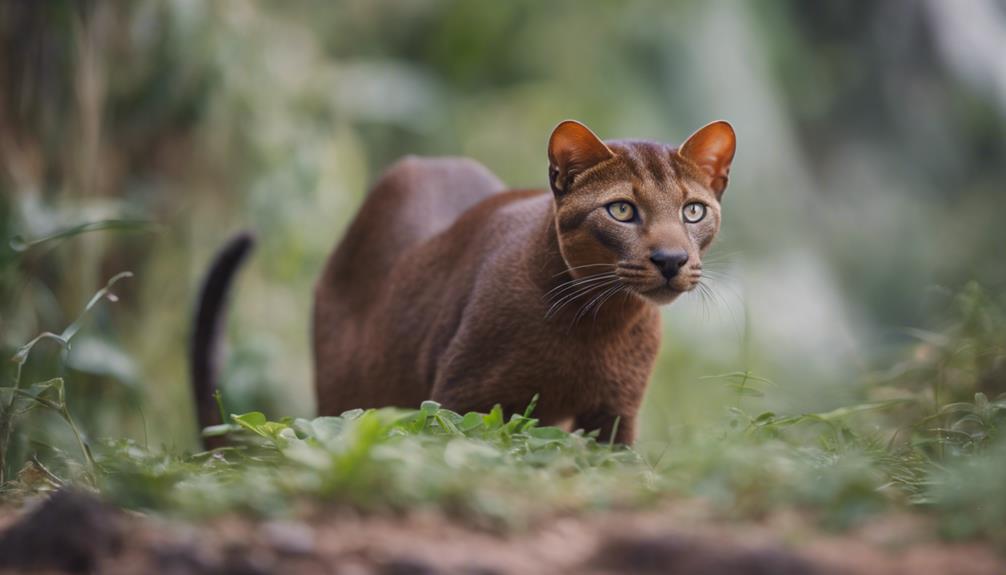
What distinguishes the Jaguarundi in Mexico from other wild cat species in the region?
The Jaguarundi, a medium-sized wild cat species found in Mexico, stands out with its slender build, ranging from 53 to 77cm in head-and-body length and 31–52cm in tail length. Known as generalist carnivores, these cats feed on small prey like birds, reptiles, and rodents.
Their mating occurs year-round, producing litters of 1-4 kittens after a 70-75 day gestation period. Conservation efforts in Mexico focus on protecting their habitat to combat loss and fragmentation.
Ocelot Population and Behavior
The Ocelot population in Mexico, estimated at around 800 individuals, exhibits nocturnal hunting behaviors and relies on a spotted coat pattern for camouflage in their forest habitats. These medium-sized wild cats are skilled climbers and swimmers, adapting well to various ecosystems.
Conservation efforts are essential to protect ocelot populations from habitat loss and fragmentation in Mexico, ensuring the preservation of this species.
Puma: Range and Adaptations
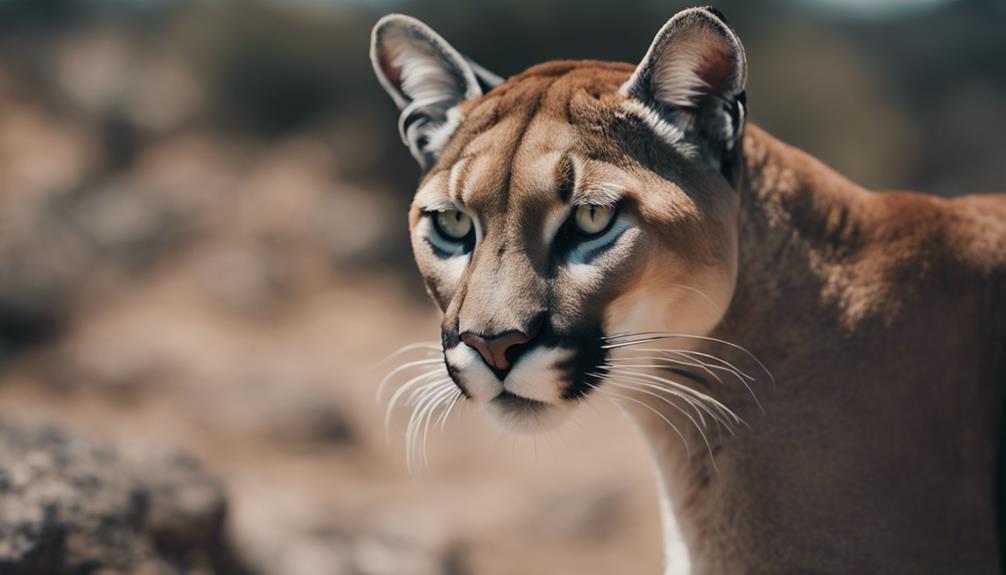
With its extensive geographical range and remarkable adaptability, the Puma stands out as a versatile and resilient predator in the Western Hemisphere.
- Pumas have the largest distribution of any terrestrial mammal in the Western Hemisphere.
- They can adapt to various habitats from deserts to tropical forests.
- Pumas are known for their ability to jump up to 5.4 meters in one leap.
- These solitary cats are also excellent swimmers and climbers.
- Pumas primarily prey on deer but can also hunt smaller animals like rabbits and rodents.
Margay Conservation Efforts
Implementing targeted strategies to safeguard Margay populations in Mexico is essential due to the ongoing threats posed by habitat loss and fragmentation. Conservation actions include collaborating with local organizations to protect their habitats, using camera trap monitoring to identify at-risk areas, and implementing mitigation strategies.
Vaccination and sterilization campaigns help reduce disease threats and population decline, while education workshops raise awareness and support for Margay conservation efforts.
Are the Most Common Wild Cats in Mexico also Found in North America?
Yes, the most common wild cats in Mexico, such as the ocelot, jaguarundi, and margay, are also found in North America. These elusive felines roam the diverse habitats of both countries, from the tropical rainforests of Mexico to the southwestern deserts of the United States.
Bobcats in Mexican Ecosystems
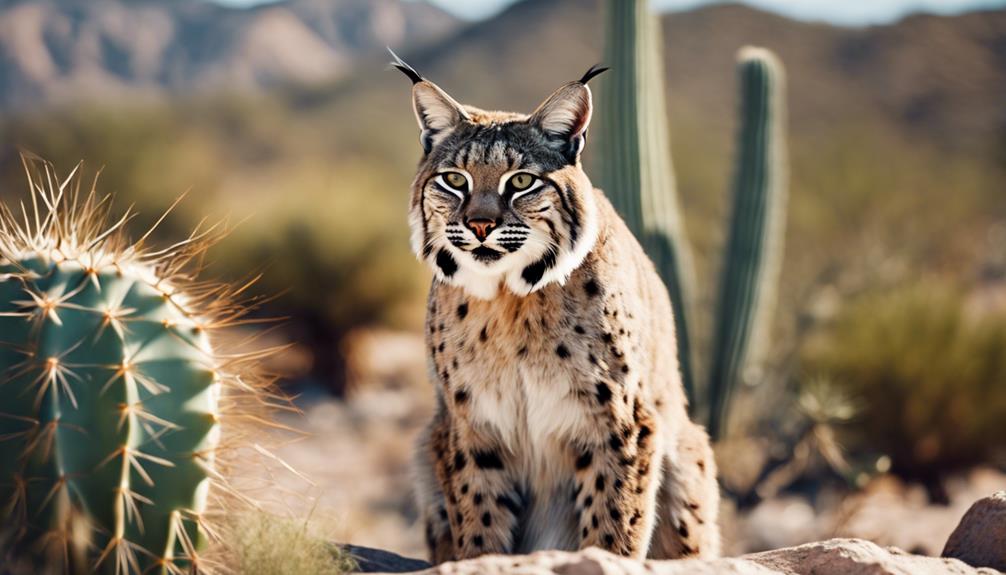
Thriving in diverse Mexican ecosystems, Bobcats (Lynx rufus) exhibit remarkable adaptability and play a pivotal role in maintaining ecological balance through their hunting prowess and camouflage features.
- Bobcats are adaptable wild cats found in various Mexican habitats.
- They have tufted ears, short tails, and a spotted coat for camouflage.
- These cats help control prey populations like rodents and birds.
- Conservation efforts focus on protecting bobcats from habitat threats in Mexico.
- Bobcats are essential components of Mexico's ecosystems.