Most Endangered Feline Species


The most endangered feline species include the Iberian Lynx, Asiatic Lion, Andean Mountain Cat, Flat-Headed Cat, Snow Leopard, Borneo Bay Cat, African Lion, and Amur Leopard. These majestic cats are threatened by habitat loss, disease outbreaks, poaching, and human conflicts. Urgent conservation efforts are essential to prevent further decline in their populations. Preservation of critical habitats, protection from human activities, and intensified conservation measures are vital for their survival. Each species faces unique challenges that require immediate attention to safeguard their existence for future generations. Learn about the significant threats endangering these precious felines.
Iberian Lynx
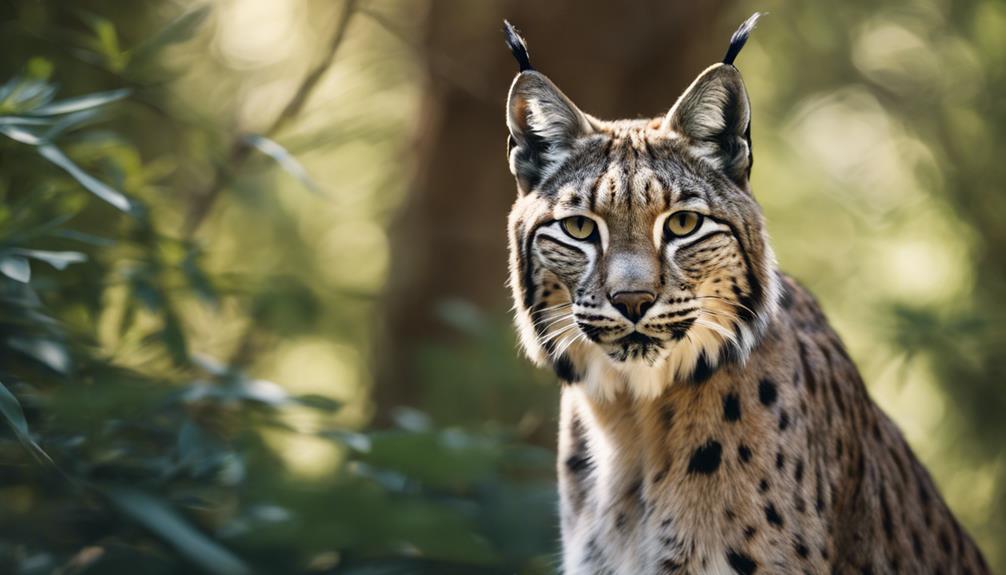
The Iberian Lynx, classified as the world's most endangered wild cat species, faces severe threats primarily due to disease outbreaks affecting its main prey and habitat loss caused by human development.
With a wild population estimated at only 309 individuals in 2013, conservation efforts are essential to combat habitat loss and degradation.
Protecting this critically endangered feline species requires immediate action to guarantee its survival in the wild.
Asiatic Lion
The Asiatic Lion, native to Gujarat, India, faces endangerment with a population of 411 individuals recorded in 2010. Factors such as isolation and limited numbers in Gir National Park put these majestic creatures at risk of extinction.
Conservation efforts must intensify to safeguard the Asiatic Lion against threats like wildfires and diseases in order to secure its future survival.
Population Decline
An alarming decline in the population of the Asiatic Lion, native to Gujarat, India, has raised concerns about the species' long-term survival.
- The population was 411 in 2010.
- Vulnerable to extinction due to habitat isolation.
- Faces threats like wildfires and diseases.
These challenges necessitate robust conservation efforts to safeguard the species from unpredictable events and human impact.
Conservation Efforts
Amidst the concerning population decline facing the Asiatic Lion, conservation efforts have become essential to secure the species' long-term survival.
With only 411 individuals in 2010, primarily in Gir National Park, the Asiatic lion is listed as an endangered species.
Conservation initiatives focus on habitat protection in the park to counter threats like habitat isolation, human activities, and potential disasters, aiming to guarantee further population decline and safeguard the species' survival.
Andean Mountain Cat
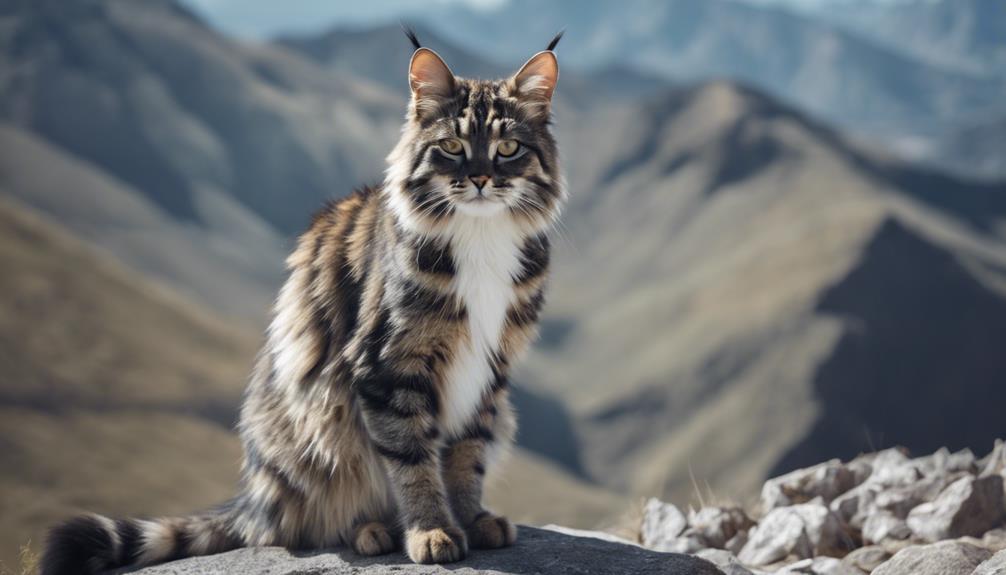
The Andean Mountain Cat, a species shrouded in mystery, resides in the Andes Mountains across several South American countries. This elusive feline, with no known captive cases, faces severe threats from habitat loss.
Conservation efforts are paramount to safeguard the rare Andean Mountain Cat and guarantee its survival in the face of habitat encroachment.
Rare Andean Habitat
Nestled within the rugged Andes Mountains of South America lies the elusive and critically endangered Andean Mountain Cat, a feline species shrouded in mystery and rarity.
- The Andean Mountain Cat is the least-known and rarest wild cat, found in Bolivia, Peru, Chile, and Argentina.
- No captive Andean mountain cats exist, making study difficult.
- Conservation efforts aim to protect their habitat due to critical endangerment.
Threats to Survival
In light of the challenges posed by habitat loss and limited conservation funding, the Andean Mountain Cat faces significant threats to its survival in the high elevations of the Andes Mountains.
With a population of fewer than 1,400 individuals, this endangered species is particularly vulnerable to habitat loss and degradation, leading to a decline in numbers.
Conservation efforts by organizations like the Andean Cat Alliance aim to address these critical issues and guarantee the Andean Mountain Cat's survival.
Conservation Efforts Needed
Efforts to safeguard the Andean Mountain Cat's population and habitat are vital to guarantee the species' long-term survival in the challenging high-altitude environments of the Andes Mountains.
Conservation efforts needed include:
- Addressing habitat loss and degradation.
- Mitigating population decline through effective enforcement.
- Securing adequate conservation funding for protection programs.
Flat-Headed Cat

With a dwindling population of fewer than 2,500 mature individuals in the wild, the Flat-Headed Cat faces a precarious future primarily due to habitat loss from palm oil plantations in Brunei, Malaysia, and Indonesia. Endemic to Borneo, this endangered species is known for its unique physical features and coloration.
Conservation efforts are essential to prevent the disappearance of this elusive cat and the forest habitats it relies on.
Snow Leopard
Endangered due to poaching and habitat loss, the Snow Leopard, with an estimated population of 2,710 – 3,386 individuals, inhabits the alpine and subalpine regions of Central and South Asia.
- Snow Leopard Population: Estimated at 2,710 – 3,386 individuals.
- Conservation Efforts: Focus on preserving high-altitude habitats.
- Threats: Poaching and habitat loss contribute to their critically endangered status.
Borneo Bay Cat
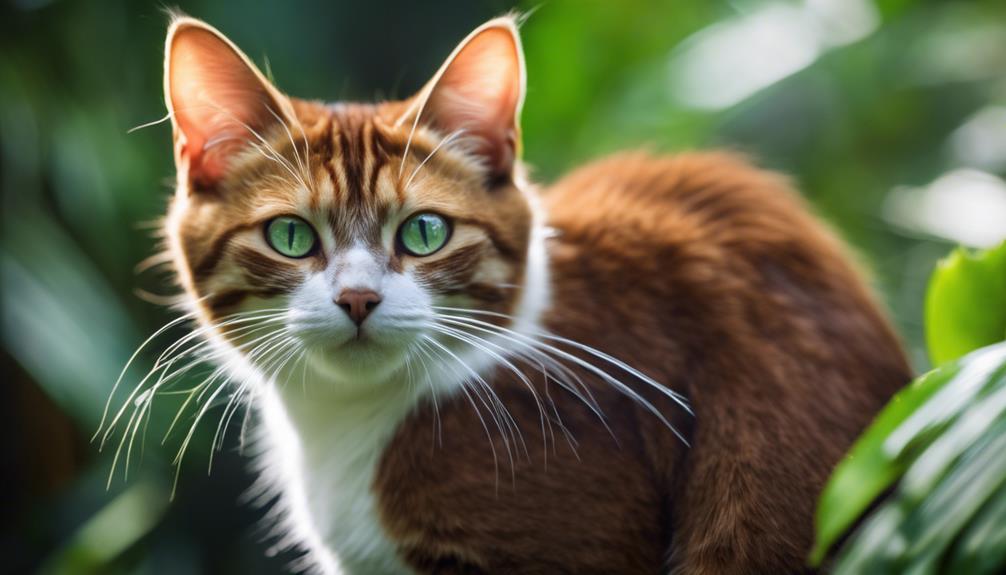
The Borneo Bay Cat is an elusive and endangered feline species. It maintains a population of approximately 2,200 mature individuals, primarily inhabiting the swamps, rainforests, and lowland areas of Borneo. Habitat loss, mainly due to deforestation for logging and plantations, poses a significant threat to this species.
Conservation efforts are hindered by limited research and studies on the Borneo Bay Cat, making its protection challenging.
African Lion
An estimated 23,000 African Lions inhabit the wild, facing critical challenges stemming from habitat loss and human conflicts, necessitating urgent conservation measures to safeguard their dwindling population.
Key Points:
- Vulnerable Status: African Lions are classified as vulnerable.
- Habitat Loss: Rapid decrease in numbers due to habitat loss.
- Conservation Efforts: Focus on preserving habitat and promoting coexistence with local communities.
Are Ragdoll Cats Endangered Like Some Feline Species?
Are ragdoll cats endangered like some feline species? This is a common ragdoll cats blue eyes question among cat enthusiasts. While many feline species face endangerment, ragdoll cats are not currently categorized as endangered. However, conservation efforts should continue to ensure the protection and well-being of all feline species in the future.
Amur Leopard

Inhabiting the elevated regions of Russia and China, the Amur Leopard is a critically endangered big cat species with a distinctive appearance characterized by cream-colored fur and widely spaced rosettes.
With an estimated population of over 100 individuals, conservation efforts have been successful in increasing their numbers from fewer than 60. However, these majestic leopards still face threats like poaching and habitat loss, emphasizing the ongoing need for conservation measures.