My Cat Is Holding Their Paw Up When Sitting


When a cat holds its paw up while sitting, it may indicate pain or discomfort. Possible causes include minor injuries, strains, or underlying issues like thorns, splinters, or sprains. Signs of pain include limping, swelling, or changes in behavior. Rest and limiting activity can aid in healing. Monitoring your cat's behavior and seeking prompt veterinary care are essential. Observing improvements in the paw's condition is important before consulting advice. Addressing pain promptly is vital for your cat's well-being. Further insights can help you understand and care for your feline companion better.
Possible Causes of Paw Lifting
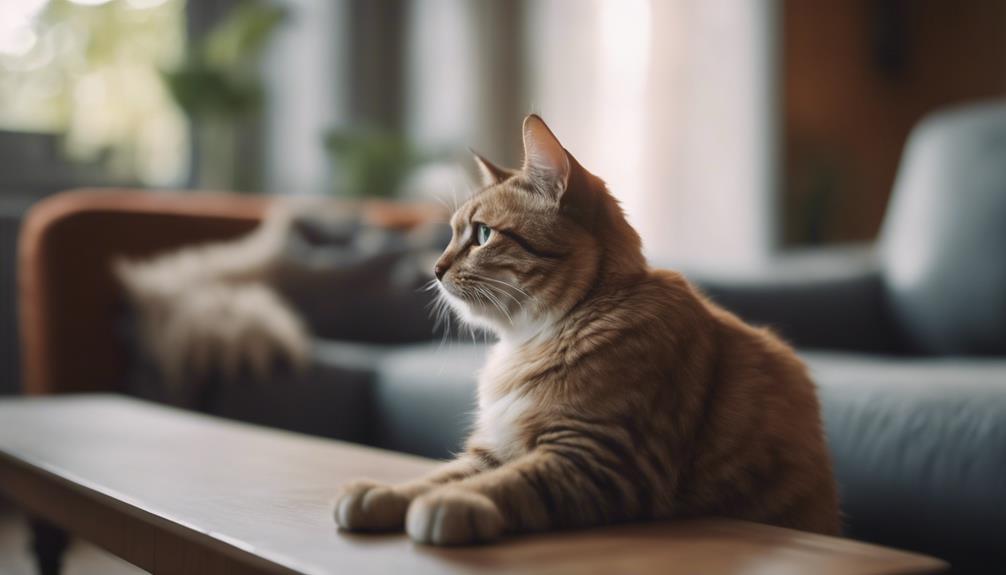
Paw lifting in cats can be attributed to various underlying causes, ranging from minor injuries such as thorns or splinters to temporary strains resulting from activities like jumping.
When a cat holds its paw up while sitting, it may be signaling discomfort due to issues like thorns, splinters, or sprains. Monitoring the behavior and seeking timely care can aid in the cat's recovery and well-being.
Signs of Pain or Discomfort
Indications of pain or discomfort in cats' paws or legs can manifest through various observable signs and behaviors.
- Limping or favoring one leg
- Reluctance to put weight on the paw
- Swelling, redness, or sensitivity to touch in the paw
- Changes in behavior like decreased activity or appetite
These signs suggest the need for a veterinary examination to address the underlying cause of the discomfort.
Rest and Activity Restrictions

After identifying signs of pain or discomfort in a cat's paws or legs, it is crucial to establish appropriate rest and activity restrictions to aid in the healing process. Encourage your cat to rest and limit their activity to prevent further strain on the paw.
When your cat is sitting, observe if they lift the affected paw. By allowing for rest, you give the paw the best chance to recover efficiently.
Monitoring Your Cat's Behavior
Regularly observing your cat's behavior, especially during activities such as eating, drinking, or jumping, can provide valuable insights into their well-being and potential discomfort.
- Check if the paw is sensitive to touch or pressure.
- Note if your cat's behavior is otherwise normal except for the paw position.
- Consider that your cat may be nervous, making a vet visit challenging.
- Monitor your cat's paw for a day or two for any signs of improvement before seeking veterinary advice.
When to Seek Veterinary Care
If your cat is exhibiting signs of pain, such as holding their paw up while sitting, or if you notice any potential medical conditions like limping, it is essential to contact your veterinarian promptly.
Changes in behavior, such as avoiding using the paw or sensitivity to touch, should not be overlooked and may require immediate professional evaluation.
Monitoring your cat's condition closely and seeking veterinary care when necessary can help address any underlying issues causing discomfort or pain.
Signs of Pain
When observing a cat holding their paw up while sitting, it is important to be vigilant for signs of pain that may necessitate seeking veterinary care promptly.
- Limping or favoring the paw.
- Avoiding putting weight on the paw.
- Sensitivity when the paw is touched.
- Vocalization, decreased appetite, or changes in grooming habits.
Potential Medical Conditions
Observing a cat consistently holding a paw up while sitting should prompt immediate consideration of potential medical conditions that may require veterinary attention. Persistent paw holding could indicate underlying medical issues or injuries.
Sudden changes in behavior like paw lifting during sitting should not be ignored. Signs such as paw discomfort, sensitivity to touch, or limping alongside paw holding necessitate a visit to the vet for evaluation and appropriate care.
Recovery Tips for Your Cat
Recovering from paw discomfort is an important occurrence in cats that usually takes a few days. Sprains and strains in their paws often heal on their own, especially with proper care and monitoring.
Home care tips and recognizing paw injury symptoms are vital aspects of aiding your cat's recovery process.
Paw Injury Symptoms
In cases of paw injury symptoms in cats, swift identification and appropriate care are essential for facilitating a smooth recovery process.
- Check for signs of discomfort while eating, drinking, or jumping.
- Be mindful of sensitivity when touching the affected paw.
- Note if other behaviors seem normal except for the cat lifting one paw.
- Despite possible nervousness, prioritize a vet visit for accurate diagnosis.
Home Care Tips
After a cat has experienced a paw injury, providing appropriate home care can greatly aid in their recovery process. Make sure your cat has a comfortable resting area to encourage minimal activity.
Monitor their paw for changes and contact us if you notice worsening symptoms. If your cat continues to hold their paw up or seems uncomfortable, it's advisable to see your cat.
Gradually reintroduce normal activities as your cat recovers.
Could My Cat Holding Their Paw Up Be a Sign of Discomfort or Injury?
If you notice your cat holding their paw up, it could be a sign of discomfort or injury. Keep an eye on their behavior and consider using an aluminum foil cat deterrent in areas where they shouldn’t be to prevent further injury.
Preventing Future Paw Injuries

To minimize the risk of future paw injuries in cats, several strategies can be implemented:
- Encourage gradual and controlled jumping activities
- Provide soft landing surfaces
- Regularly trim your cat's nails
- Create a safe and enriching indoor environment