My Cat Is Smacking Their Lips


When your cat is smacking their lips, it may be a sign of oral pain, stress, or discomfort. This behavior can indicate underlying health issues like dental diseases or gastrointestinal problems. Look out for changes in lip-smacking frequency and consider seeking veterinary advice for proper evaluation. Stress, anxiety, and oral infections can trigger lip-smacking in cats. Pay attention to drooling, vomiting, or behavioral changes for additional clues. Addressing dental concerns and monitoring your cat's well-being can help manage this behavior effectively. Understanding the triggers behind lip-smacking is vital for your cat's health and happiness.
Possible Health Issues Related to Lip-Smacking

Lip-smacking in cats may indicate various underlying health issues, including oral pain, stress, nausea, and discomfort. Cats exhibiting this behavior could be suffering from dental diseases, excessive saliva production, or even gastrointestinal problems like nausea.
Monitoring changes in lip-smacking frequency and seeking vital veterinary advice are essential to address potential medical issues that may be causing this behavior in cats.
Behavioral Triggers for Lip-Smacking
Behavioral triggers such as stress, anxiety, and discomfort can lead to the occurrence of lip-smacking behavior in cats. Other factors like oral infections, dental problems, hypersalivation, environmental changes, excitement, and medications can also contribute to this behavior.
Identifying these triggers and addressing them can help manage and reduce lip-smacking episodes in cats, improving their overall well-being and quality of life.
Identifying Signs of Discomfort

Signs of discomfort in cats, such as lip-smacking, can be indicative of various underlying issues like dental problems, ulcers, or nausea.
It is important to pay attention to accompanying symptoms such as drooling, vomiting, or changes in behavior, as these can help in identifying the source of discomfort.
Persistent lip-smacking post-grooming might also hint at hairball discomfort or oral irritation, while fear or stress can lead to lip-smacking as a sign of insecurity or anxiety.
Physical Discomfort Indicators
Indications of physical discomfort in cats, such as dropping food, pawing at the mouth, or the presence of blood, can serve as important cues for pet owners to recognize potential issues requiring attention. Disinterest in food, vomiting, or diarrhea are signs of discomfort.
Fear-induced behavior like growling may accompany lip-smacking. Excessive grooming leading to hairballs can also cause discomfort. Monitoring persistent lip-smacking is vital for early intervention and veterinary care.
Behavioral Changes Observed
In observing your cat's behavior, subtle cues like increased lip-smacking can serve as valuable indicators of potential discomfort or underlying health issues.
Lip-smacking behavior in cats may signal stress, anxiety, dental problems, or other health issues.
Monitoring changes in lip-smacking frequency and triggers can help identify causes of discomfort.
Consulting a veterinarian for persistent or concerning lip-smacking is essential for a thorough evaluation and appropriate treatment.
Understanding Anxiety in Cats
One common manifestation of feline anxiety can be observed in behaviors such as excessive lip smacking. Cats may show signs of anxiety through avoidance, hiding, or increased vocalization. Triggers for cat anxiety include changes in routine, new environments, or loud noises. Providing a safe, quiet space and using pheromone diffusers can help alleviate stress. Seeking veterinary consultation allows for tailored solutions to manage cat anxiety effectively.
| Licking | Signs of Anxiety |
| Lip Smacking | Cat Anxiety Triggers |
| Cat Behavior | Cat Anxiety Solutions |
| Stress | Veterinary Consultation |
Lip-Smacking and Grooming Behaviors
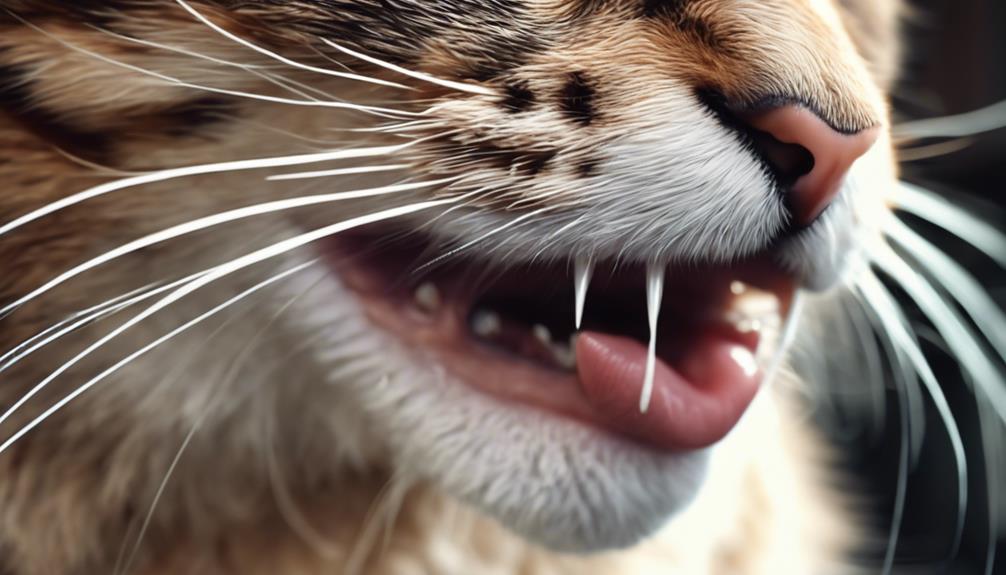
Understanding the grooming behaviors of cats, particularly lip-smacking, provides valuable insight into their overall well-being and potential health concerns.
- Lip-smacking can indicate stress, anxiety, or discomfort.
- Common causes include strange tastes, oral infections, dental issues.
- Hypersalivation, dry mouth, and kidney disease may contribute.
- Monitoring, enrichment activities, and vet consultations help manage lip-smacking behavior.
Addressing Dental Concerns
Dental concerns in cats, such as gingivitis and periodontal disease, can often manifest in lip-smacking behavior. Cats experiencing tooth decay, inflamed gums, or mouth sores may exhibit this behavior due to dental pain. Regular dental check-ups are essential to prevent such issues. The table below summarizes key points related to dental problems in cats:
| Dental Issues | Potential Effects | Preventive Measures |
|---|---|---|
| Gingivitis | Inflamed gums | Regular dental check-ups |
| Periodontal disease | Tooth decay | Professional cleanings |
| Dental pain | Excessive salivation | Prompt vet attention |
Seeking Veterinary Guidance
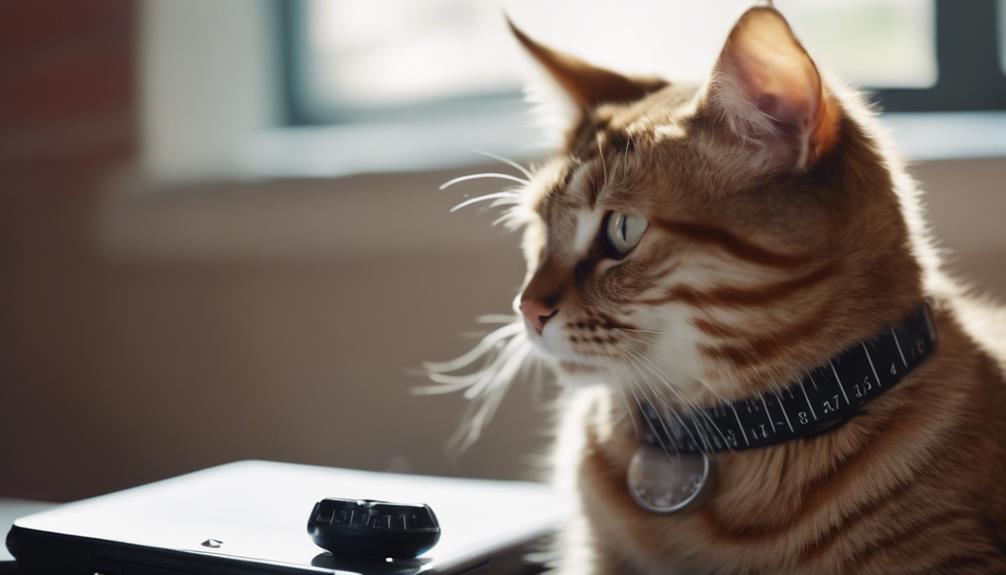
If your cat is frequently smacking their lips, scheduling a veterinary appointment is essential to investigate any potential underlying health issues.
This visit can help determine if dental problems, nausea, stress, or other medical conditions are triggering the lip-smacking behavior.
Seeking professional guidance early on can lead to tailored treatment plans and guarantee the overall well-being of your cat.
Vet Appointment Needed
To address the concerning behavior of lip-smacking in your cat, scheduling a vet appointment promptly is essential.
- Veterinary evaluation can pinpoint underlying medical conditions.
- A vet's examination helps determine the cause of the behavior.
- Veterinary guidance is vital for your cat's well-being.
- Timely intervention aids in managing and treating health issues.
Possible Dental Issues
Given the potential connection between your cat's lip-smacking behavior and dental issues, seeking veterinary guidance is essential to guarantee that your feline companion's oral health and overall well-being are addressed thoroughly. Dental problems like periodontal disease, tooth decay, or oral ulcers can lead to discomfort while eating, drooling, and behavioral changes in cats.
Regular dental check-ups can help identify and treat these issues contributing to lip smacking behavior.
Behavioral Triggers Explored
Exploring potential behavioral triggers is essential in understanding and addressing the lip-smacking behavior exhibited by cats, highlighting the significance of seeking veterinary guidance for a thorough evaluation.
- Stress, anxiety, discomfort, or strange tastes
- Foreign bodies in the mouth, medications, or environmental changes
- Dehydration, dry mouth diseases, seizures, and certain treatments
- Insect bites, bad flavors, and overstimulation
Dietary Considerations for Lip-Smacking
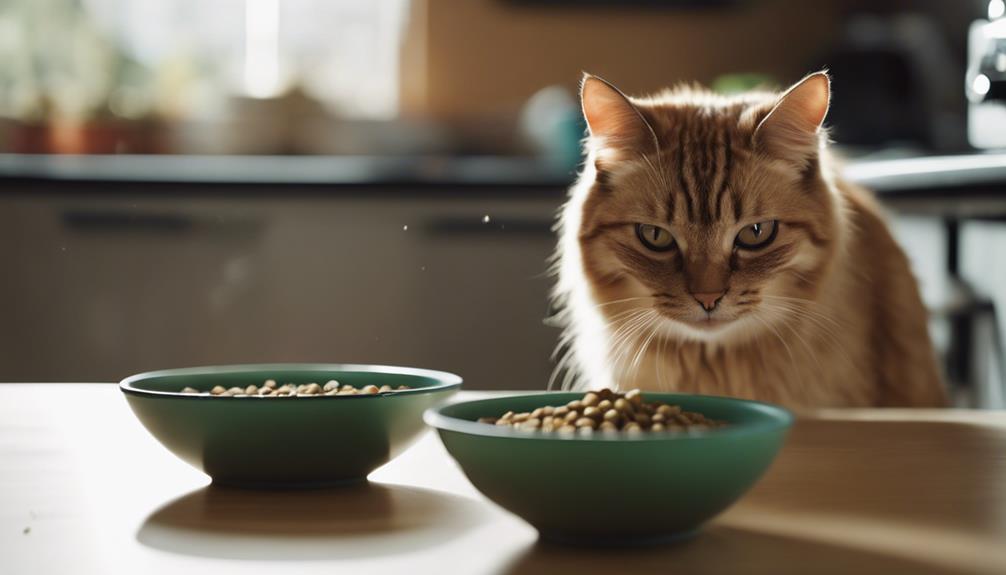
Considering dietary adjustments to address lip-smacking behavior in cats can be an important strategy to promote their overall well-being and health.
Providing canned or wet food with poultry flavors can help address diet-related issues.
Ensuring a balanced diet with essential nutrients is vital to prevent imbalances that may trigger lip-smacking.
Consult with a feline nutritionist to tailor a diet plan, avoiding sudden changes that could lead to gastrointestinal upset and exacerbate the behavior.
Is Rough Play Between Cats A Cause of Lip Smacking in Cats?
Some cats might exhibit lip smacking after playing rough with an older cat playing rough. This behavior is usually a sign of overstimulation or excitement. It’s important to monitor the cats’ body language and intervene if the play becomes too aggressive to prevent any potential injuries.
Monitoring and Managing Lip-Smacking
To effectively monitor and manage lip-smacking behavior in cats, it is important to track any changes in frequency and observe accompanying symptoms for potential patterns or triggers.
- Monitor changes in lip-smacking frequency.
- Keep track of accompanying symptoms.
- Consult a veterinarian for persistent lip-smacking.
- Address underlying causes promptly for your cat's health and well-being.