My Cat Just Threw Up


If your cat has just thrown up, it could be due to various reasons like hairballs, dietary changes, or gastrointestinal issues. Watch for signs of distress such as restlessness or repeated swallowing. Occasional vomiting may be important, but if it happens frequently, it could signal an underlying health problem. Consider small amounts of water and withholding the next meal. Contact a vet if the vomiting persists or if your cat shows signs of distress. It's vital to understand the causes and take appropriate steps to safeguard your pet's well-being. More insights on managing cat vomiting and preventing future episodes are available for your cat's health.
Common Causes of Cat Vomiting
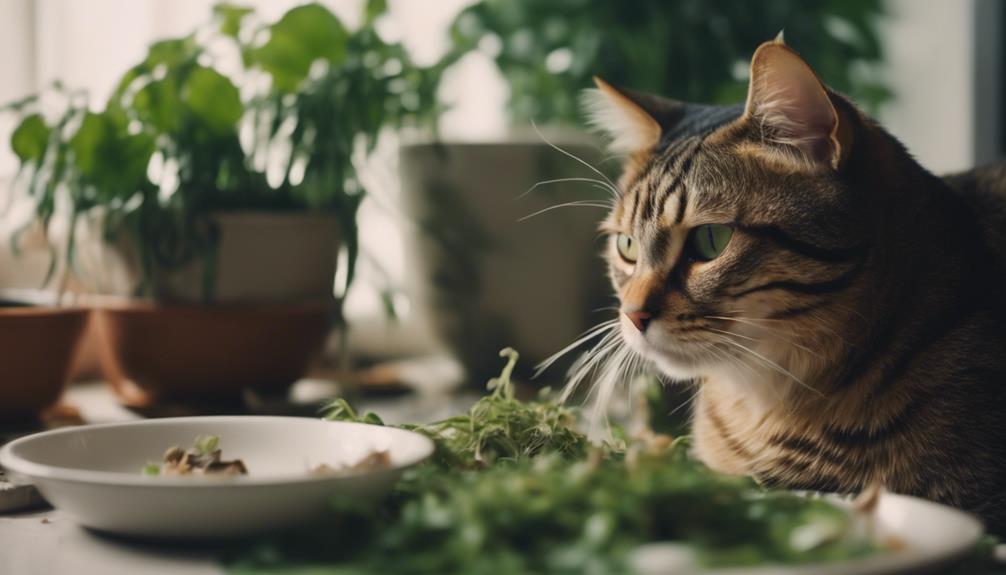
Cat vomiting can result from a variety of common causes, ranging from hairballs to ingestion of toxic substances. Other factors such as overeating, changes in diet, internal parasites, and gastrointestinal conditions can also trigger vomiting in cats.
Identifying the underlying cause is essential for appropriate treatment, which may involve dietary adjustments, medication, or addressing any underlying health issues to alleviate the vomiting episodes effectively.
Signs of Cat Vomiting
Exploring the manifestations of feline gastrointestinal distress, observable signs indicating an impending bout of regurgitation or cat vomiting encompass restlessness, repeated swallowing, and intense abdominal muscle contractions.
Cats may also exhibit behaviors like salivation and coughing, which can be mistaken for vomiting.
It is essential to differentiate regurgitation from vomiting, as they involve distinct mechanisms.
Providing a vet with a video of the cat vomiting can aid in diagnosis and prompt treatment.
Vomiting Frequency in Cats
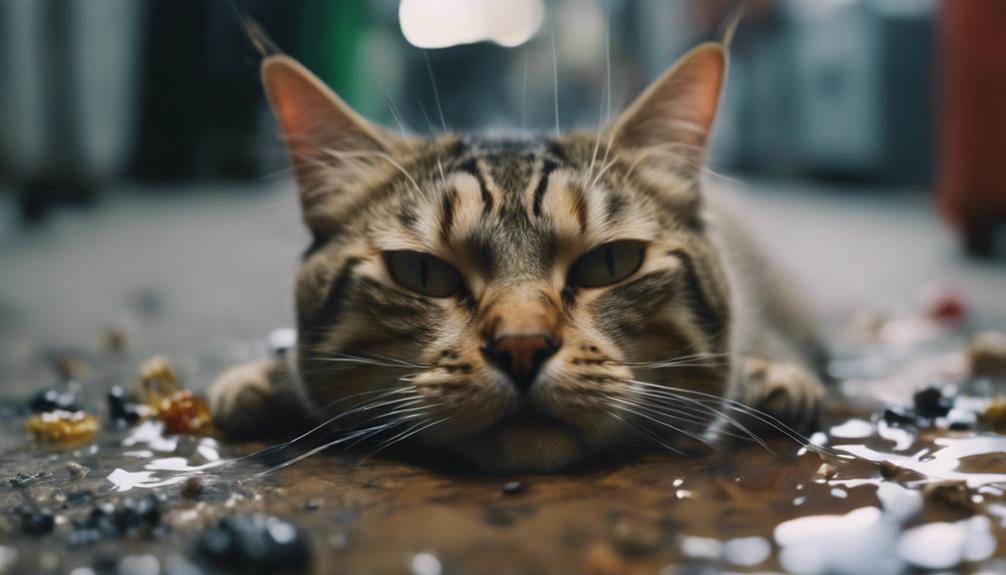
Cats typically vomit occasionally, but if your feline companion is vomiting more than twice a month, it could signal an underlying health issue.
Understanding the causes behind your cat's frequent vomiting is vital as it can indicate various conditions such as hairballs, dietary sensitivities, or gastrointestinal problems.
Seeking veterinary guidance promptly is essential to diagnose the root cause and determine the appropriate treatment to help your cat feel better.
Causes of Vomiting
Vomiting frequency in felines can vary depending on underlying causes such as hairballs, indigestion, gastritis, pancreatitis, or dietary changes. Cats may vomit due to issues in the gastrointestinal tract, chronic vomiting, or foreign bodies. Recognizing signs like restlessness, anxiety, lip licking, and forceful contractions is vital to differentiate vomiting from other conditions.
Seeking veterinary advice is essential for proper diagnosis and treatment of cat vomiting.
Treatment Options
When addressing the treatment options for vomiting frequency in cats, it is imperative to identify the underlying cause to determine the most effective course of action. Supportive care, outpatient treatments, oral medications, and surgical intervention for cases like intestinal blockage can be considered. Regular vet check-ups, preventive care, consistent diet, hairball prevention, and grooming practices are essential in managing and preventing vomiting in cats.
| Treatment Options | Description |
|---|---|
| Supportive Care | Providing fluids, monitoring, and comfort measures for cats during vomiting episodes. |
| Outpatient Treatments | Using oral medications or dietary changes to address less severe cases of vomiting in cats. |
| Exploratory Surgery | Surgical intervention for cases like intestinal blockage due to foreign objects in cats. |
Types of Cat Vomit
A variety of types of vomit can be observed in cats, each indicating different potential health issues.
Clear liquid vomit may signal minor problems like hairballs or indigestion.
Hairball vomit contains cylindrical masses of fur mixed with saliva.
Undigested food vomit suggests overeating or eating too fast.
Bile vomit, yellow or green, can indicate stomach irritation or gastritis.
Understanding these types can help identify underlying health concerns in cats.
Managing Cat Vomiting at Home
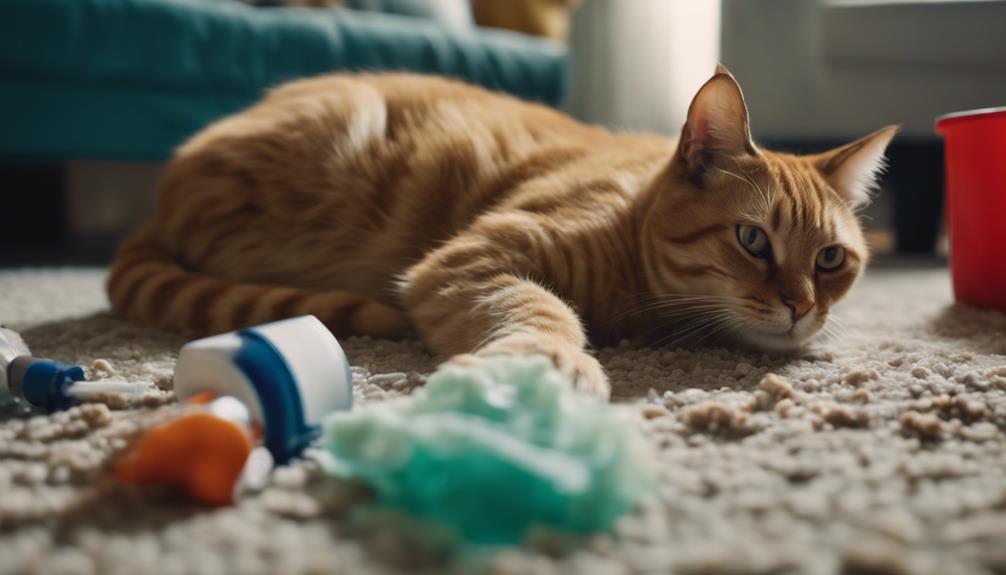
To effectively manage cat vomiting at home, it is important to provide small amounts of water and closely monitor your cat for any signs of distress, lethargy, or repeated vomiting.
After vomiting, skip the next meal to allow the stomach to rest. Gradually reintroduce bland food like boiled chicken or white rice to aid digestion.
Contact your veterinarian if vomiting persists or if your cat shows concerning symptoms to prevent dehydration.
When to Seek Veterinary Care
If your cat exhibits signs of distress such as sudden or severe vomiting, it is important to seek emergency veterinary care promptly.
Symptoms like blood in the vomit, lethargy, or refusal to eat indicate a need for immediate attention from a veterinarian.
In cases of persistent or frequent vomiting, especially when accompanied by concerning symptoms, a visit to the vet is essential for proper diagnosis and treatment.
Emergency Vet Visit
When faced with concerning symptoms such as persistent vomiting or signs of distress in your cat, immediate veterinary care is essential. Persistent vomiting, lethargy, signs of abdominal pain, or dehydration require an emergency vet visit.
Any unusual behavior following vomiting, like difficulty breathing or extreme weakness, warrants prompt attention. If your cat is unwell after skipping a meal to rest its stomach, contact a veterinarian for assistance.
Signs of Distress
Upon observing distress signs such as repeated vomiting, lethargy, or abdominal pain in your cat, prompt veterinary care is crucial. Frequent vomiting, abdominal contractions, and potential ingestion of foreign objects are red flags requiring attention.
If your cat is vomiting persistently, make an appointment with the vet to guarantee timely evaluation and proper treatment. Recognizing these signs promptly can aid in addressing underlying issues effectively.
Treating Cat Vomiting
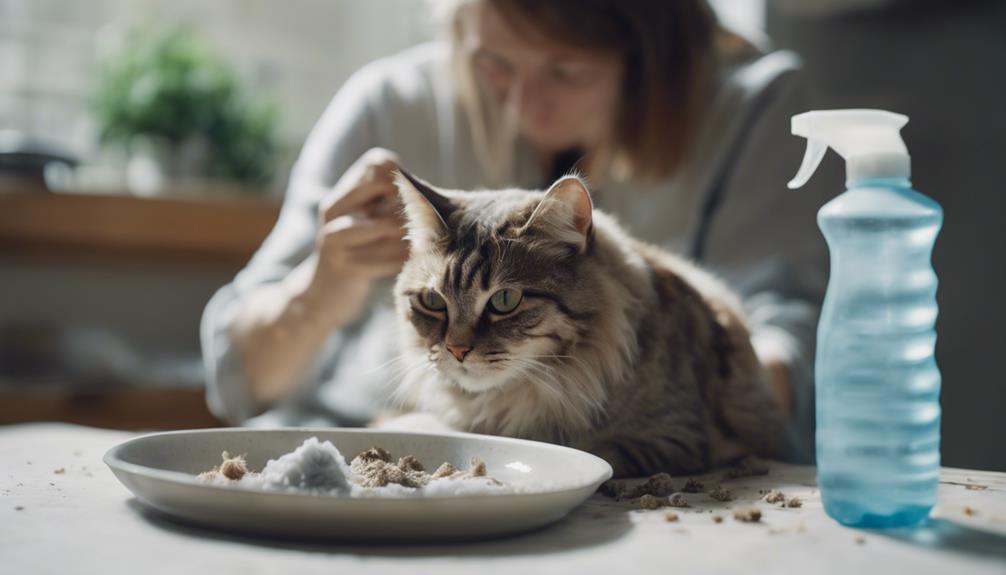
Effective management of cat vomiting involves implementing tailored treatments that address the underlying causes and provide supportive care to aid in recovery. This may include:
- Fluid therapy to prevent dehydration
- Anti-emetic drugs to control nausea
- Deworming medication if parasites are the culprits
Monitoring post-treatment is essential to confirm the chosen interventions are effective, making adjustments as necessary for the well-being of the cat.
Preventing Future Vomiting Episodes
To prevent future vomiting episodes in cats, it is important to focus on maintaining a healthy diet.
Ensuring your cat is well-hydrated can also play a significant role in preventing digestive issues that may lead to vomiting.
Regular vet check-ups are essential for early detection of any underlying health concerns and can help in implementing preventive measures to safeguard your cat's well-being.
Healthy Diet Choices
Choosing a high-quality, easily digestible cat food is essential in preventing future vomiting episodes in your feline companion.
Avoid sudden diet changes to maintain digestive stability.
Stick to a consistent feeding schedule for your cat's health.
Opt for hairball formula cat food or supplements to reduce hairball-related vomiting.
Hydration Importance
In maintaining a healthy diet for your cat to prevent vomiting episodes, adequate hydration plays a key role in supporting their overall well-being. Cats should have access to fresh, clean water at all times to prevent dehydration, which can worsen vomiting.
Dehydration in cats can lead to serious health issues, emphasizing the importance of monitoring water intake to guarantee proper hydration and prevent future vomiting episodes.
Regular Vet Check-ups
Regular vet check-ups are essential for preventing future vomiting episodes in cats by detecting underlying health conditions early.
- Early Detection: Vets can often catch issues before they become serious.
- Monitoring Health: Routine visits help maintain normal gastrointestinal tract function.
- Preventive Measures: Vets can make recommendations to reduce the risk of foreign body ingestion, a common cause of vomiting in cats.
Dietary Considerations for Vomiting Cats
When discussing dietary considerations for vomiting cats, it is important to consider shifting to a hairball formula cat food to assist in preventing common causes such as hairballs.
Special diets tailored to address conditions like inflammatory bowel disease can also help.
Feeding strategies such as using slow feeder bowls can aid in reducing vomiting episodes by encouraging slower eating habits.
Understanding vomiting causes is essential in determining the appropriate diet for your cat's needs.
Can My Cat’s Preference for Drinking from the Faucet Cause it to Vomit?
Some cats’ preference for drinking from the faucet can lead to vomiting due to ingesting too much water too quickly. To solve this issue, consider providing alternative water sources such as a pet fountain or placing multiple water bowls around the house to accommodate their cat drinking behavior solution.
Monitoring Your Cat's Recovery
To assess the progress of your cat's recovery, diligently observe their behavior, appetite, and water intake.
- Behavior: Look for changes in activity levels, grooming habits, and interactions with family members.
- Appetite: Monitor how much food your cat is eating and if they show interest in treats or special foods.
- Weight: Regularly weigh your cat to make sure they are maintaining a healthy weight.