My Cat Wont Eat Dry Food


If your cat won't eat dry food, it may be due to painful dental issues, stress, or underlying health problems. Look for cues like sniffing and walking away from the bowl, or refusal to eat dry food. Changes in the food itself or environmental stressors can contribute. Stress impacts a cat's appetite, possibly linked to dental disease or poor oral health. To encourage dry food consumption, create a calm environment and try different brands gradually. Addressing oral discomfort is essential for cats to eat dry food comfortably. Understanding these factors can help improve your cat's eating habits.
Reasons for Cat Avoiding Dry Food

Several factors can contribute to a cat's aversion to dry food, leading to potential issues with their diet and overall health. Cats may refuse dry food due to painful dental issues, stress, unfamiliarity, or underlying health problems causing a lack of appetite.
It's important to address these concerns by trying different brands and gradually shifting to dry food to encourage a cat's acceptance and guarantee their nutritional needs are met.
Behavioral Cues for Food Dislike
What behavioral cues indicate a cat's dislike for dry food?
Cats may exhibit disinterest by sniffing and walking away from the bowl, or pawing at it. Refusal to eat dry food, along with vocalization or agitation, can signal dislike. Cats may also show reluctance to approach the food bowl or display signs of anxiety during mealtime. Persistent unwillingness to consume dry food despite hunger cues may indicate food aversion.
Potential Dish-related Issues

When considering potential dish-related issues that may contribute to a cat's refusal to eat dry food, factors such as changes in recipe, unfamiliarity, dental problems, environmental stressors, and underlying medical conditions should be carefully evaluated.
Cats may reject dry food if it's unfamiliar, painful to chew due to dental issues, or due to stress. Monitoring these factors can help address a cat's appetite for dry food.
Stress as a Factor
Stress can greatly impact a cat's appetite, leading to a reluctance to eat dry food. Changes in the environment, disruptions in routine, or anxiety-inducing situations can contribute to stress-related eating habits in felines.
Understanding how stress influences a cat's emotional eating patterns is vital in addressing their refusal to consume dry food.
Stress and Appetite
Cats may exhibit changes in their eating habits, particularly with dry food, due to the influence of various stressors in their environment.
- Environmental stressors like new pets, loud noises, or moving can impact a cat's eating habits.
- Cats are sensitive to changes in routine or surroundings, which can trigger stress-related appetite issues.
- Signs of stress in cats can include hiding, excessive grooming, or changes in litter box habits.
- Minimizing stress through a calm environment and routine can help encourage a cat to eat dry food.
Emotional Eating Habits
Amidst emotional distress, feline companions may exhibit altered dietary preferences, particularly towards dry food.
Changes in routine or environmental stressors can lead to aversions to dry food, impacting a cat's appetite.
Managing stress through a stable and calm environment is important to help cats overcome emotional eating habits.
Understanding these factors and addressing stressors can play a significant role in encouraging a cat to eat dry food again.
Oral Health Concerns
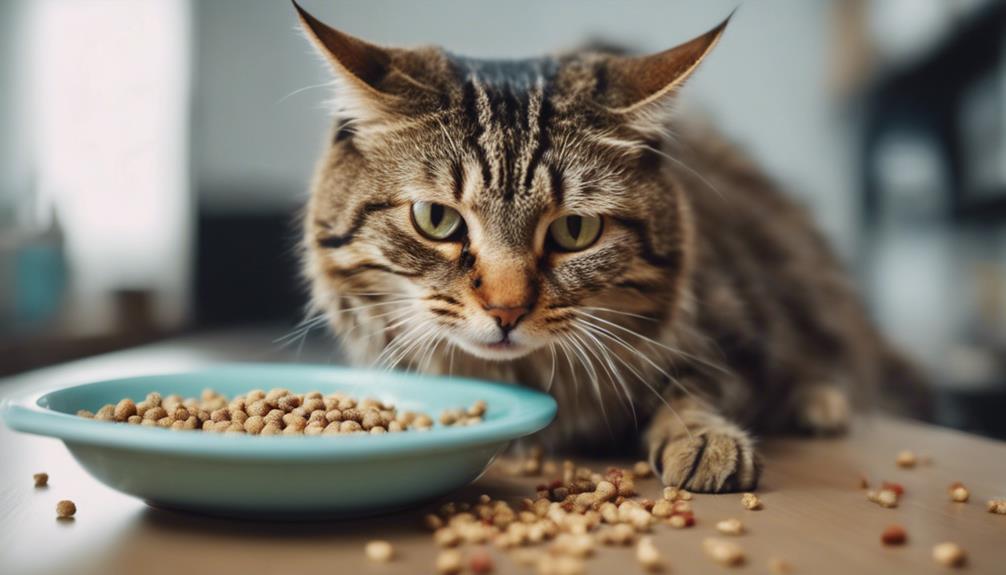
Oral health plays a significant role in determining a cat's willingness to consume dry food.
- Dental disease can cause pain and discomfort, affecting a cat's appetite for crunchy kibbles.
- Poor oral health may lead to gum inflammation and tooth decay, making it challenging for cats to eat dry food.
- Cats with dental issues might prefer soft or wet food to avoid aggravating their oral discomfort.
Underlying Health Problems
Certain underlying health problems can greatly affect a cat's appetite and food choices. Issues like dental pain, digestive disorders, and food allergies can lead to a cat's aversion to dry food.
Understanding these potential health concerns is essential in addressing a cat's refusal to eat dry food effectively.
Possible Dental Issues
Dental issues, such as painful chewing, can be a significant factor contributing to a cat's reluctance to eat dry food.
- Cats may experience discomfort while chewing dry food.
- Underlying dental problems like dental disease can impact a cat's appetite.
- Signs of reluctance or pain during eating may indicate dental issues.
- Regular dental check-ups are essential to address any problems affecting a cat's ability to consume dry food.
Digestive System Concerns
Digestive system concerns in cats, particularly underlying health problems, can greatly impact their appetite and overall well-being. Health conditions like kidney disease and diabetes, chronic diseases such as immune system disorders, and parasitic infections from roundworms or tapeworms can all affect a cat's digestive health, leading to a decreased appetite.
Additionally, environmental changes, stress, and disruptions in routines can contribute to digestive system concerns and appetite loss.
Food Allergies or Sensitivities
Food allergies or sensitivities in cats can result in a range of health issues, including gastrointestinal disturbances and skin problems.
Symptoms may include vomiting, diarrhea, itchiness, and hair loss.
Common allergens are beef, dairy, fish, and wheat.
Diagnosis involves tests like elimination diets or blood tests.
Sensitivities can manifest as digestive upset without an immune response.
Transitioning to Dry Food
When introducing your cat to dry food, a gradual incorporation alongside their wet food can help promote acceptance and adjustment to the new diet. Experiment with different brands, mix small amounts, and use food toppers.
Monitor water intake to make sure your cat stays well-hydrated, which can increase their interest in dry food. By following these steps, you can ease the change process for your feline companion.
Encouraging Dry Food Consumption
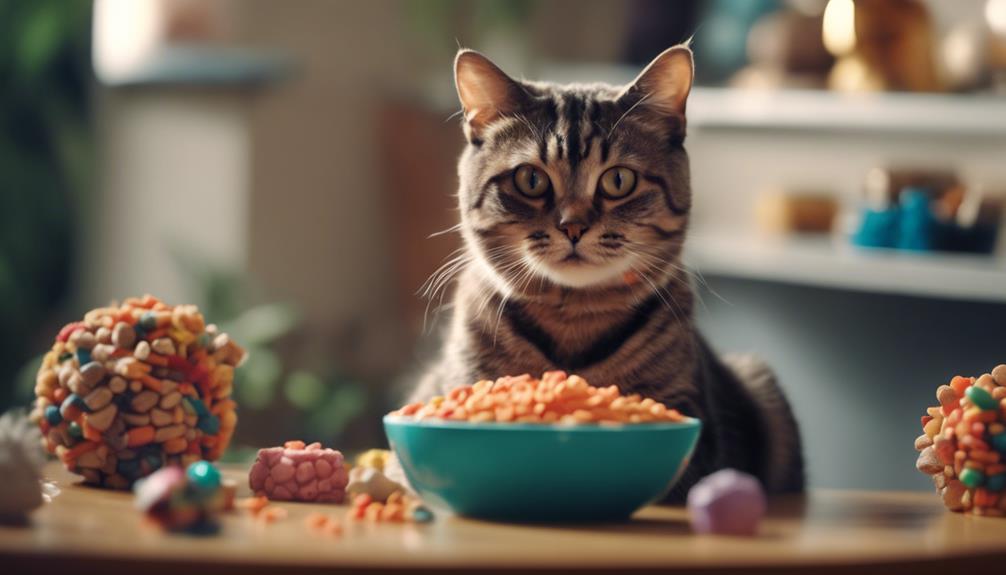
How can you effectively encourage your cat to consume dry food?
- Experiment with different brands and textures to find what appeals to your cat's preferences.
- Gradually introduce dry food by mixing small amounts with wet food.
- Use food toppers or interactive feeding toys to make dry food more enticing.
- Guarantee your cat stays well-hydrated by providing access to fresh water at all times.
Could My Cat’s Refusal to Eat Dry Food be Causing Weight Loss?
If your older cat is showing weight loss symptoms, the refusal to eat dry food could be a contributing factor. Cats are known for being picky eaters, but changes in eating habits can indicate an underlying health issue. Consult with your veterinarian to address any concerns about your cat’s weight loss.
Importance of Hydration
Ensuring sufficient hydration for your cat is essential for maintaining their overall health and well-being. Cats are more likely to eat dry food when they are well-hydrated. Providing fresh water constantly is vital for encouraging dry food consumption.
Consider a high-quality water fountain with a quiet motor to promote hydration. Regular maintenance and cleaning of the water fountain are important for your cat's health.