
In Maine, you can find bobcats, known for stealthiness in dense forests. Canada lynx are federally threatened, vital to the ecosystem, feeding mainly on snowshoe hares. While mountain lions roamed until the late 1800s, there are no established populations currently. Conservation efforts focus on habitat protection, monitoring techniques, and community education for coexistence. Maine's wild cats thrive in secluded woodlands, with bobcats adapting well to various terrains and lynx showing skilled hunting abilities. These felines regulate prey populations, maintaining ecological balance in the state. The diversity of Maine's wild cats is essential for understanding and preserving its natural heritage.
Bobcat in Maine
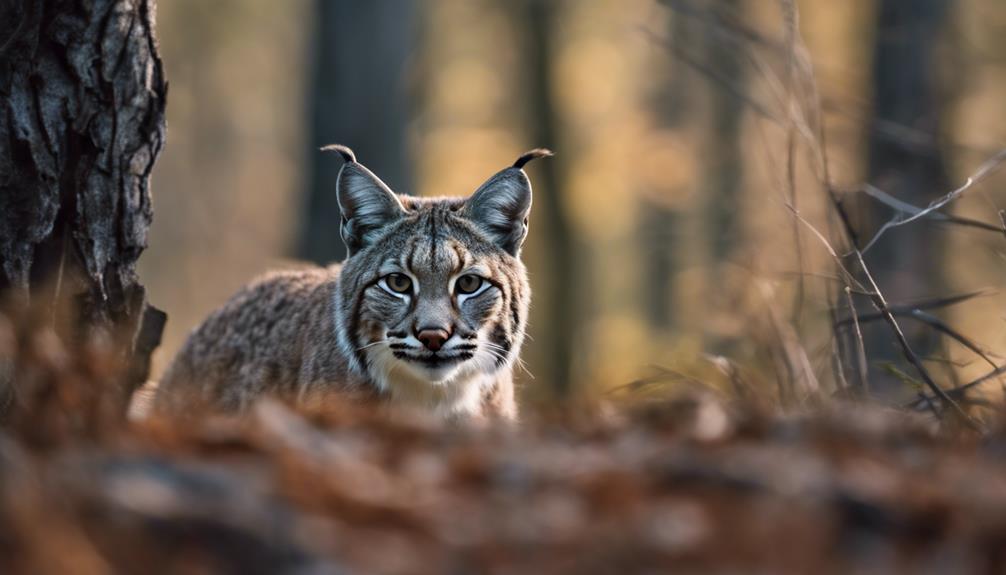
Bobcats, commonly found across the southern half of Maine, are known for their stealthy nature and elusive behavior in the wild. These solitary creatures prefer dense forests, making them challenging to spot.
Recently, trail cameras captured two bobcats on January 20, 2021, highlighting their presence in the area. Residents, like John Skeets Richards, have even encountered these elusive felines in their yards, showcasing the bobcat's adaptability to suburban environments.
Canada Lynx Population
The population of Canada Lynx in Maine is closely monitored due to its status as a federally listed threatened species. The Maine Department of Inland Fisheries plays a key role in tracking and providing information on these elusive cats.
With a primary diet of snowshoe hares in remote woodlands, Canada Lynx are crucial to Maine's ecosystem. Conservation efforts are essential to protect and sustain their population in the state.
Mountain Lions Sightings
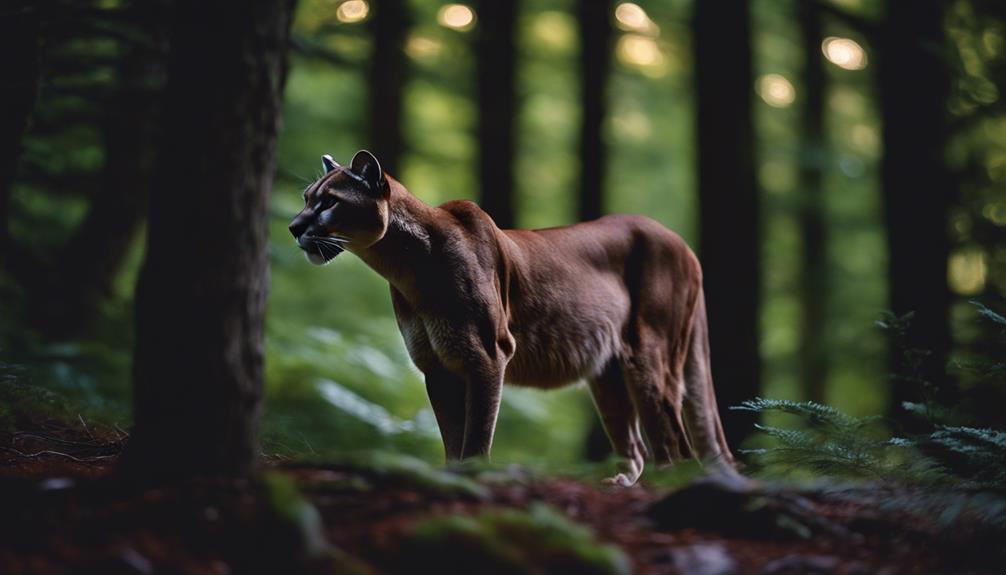
Native to Maine until the late 1800s, mountain lions, also known as cougars, have garnered attention for sporadic sightings in recent years.
- Maine Department of Inland Fisheries provides information on historical presence.
- Cougars are known by various names like pumas and panthers.
- No established cougar populations currently exist in Maine.
- Parks offer exhibits on these majestic cats.
- Visitors can explore the significance of mountain lions in Maine's natural history.
Wild Cats Conservation Efforts
Conservation efforts in Maine play an essential role in safeguarding wild cat populations, such as bobcats and lynx. These initiatives encompass habitat protection strategies, population monitoring techniques, and educational programs for local communities.
The focus remains on ensuring the coexistence of humans and wild cats while preserving the biodiversity and ecological equilibrium of the region.
Habitat Protection Initiatives
Implementing habitat protection initiatives is essential for the conservation of wild cats like bobcats and lynx in Maine.
- The Maine Department of Inland Fisheries and Wildlife spearheads habitat conservation programs.
- Focus is on maintaining suitable habitats like remote woodlands for Canada lynx.
- Protection measures aim to preserve the natural ecosystem and prey species.
- Habitat conservation programs guarantee the survival of wild cat populations.
- Collaborative efforts between organizations and communities play a crucial role.
Population Monitoring Strategies
Efforts to monitor the population of wild cats in Maine involve the use of trail cameras to gather data on bobcats and lynx.
The Maine Department of Inland tracks population trends, habitat usage, and behavior to assess the health and distribution of these species.
Community Education Programs
To further engage the community in the preservation of Maine's wild cat populations, educational initiatives emphasize the importance of habitat conservation and mitigating human-wildlife conflicts.
- Department of Wildlife Conservation collaborates with local schools and organizations.
- Programs raise awareness about protecting wild cat species.
- Information on habitat preservation and reducing human-wildlife conflicts is provided.
- Outreach efforts promote coexistence and understanding.
- Safeguarding the future of Maine's wild cats through education.
Habitat and Behavior of Maine Cats
Maine's wild cats, such as bobcats and Canada lynx, thrive in the secluded woodlands characterized by dense vegetation. Bobcats are versatile, adapting to forests, swamps, and mountainous terrains. Canada lynx are adept hunters of snowshoe hares, relying on acute senses.
Both species are elusive and solitary, minimizing encounters with humans. These cats play vital roles in Maine's ecosystem, regulating prey populations and upholding ecological harmony.
What Wild Cat Species Are Common in Maine and New Hampshire?
Maine and New Hampshire are home to several types of wild cats, including the bobcat and Canadian lynx. These elusive creatures play a vital role in the region’s ecosystem, thriving in the dense forests and mountainous terrain. Conservation efforts are in place to protect these magnificent species and their habitats.
Encounters With Maine's Wild Felines
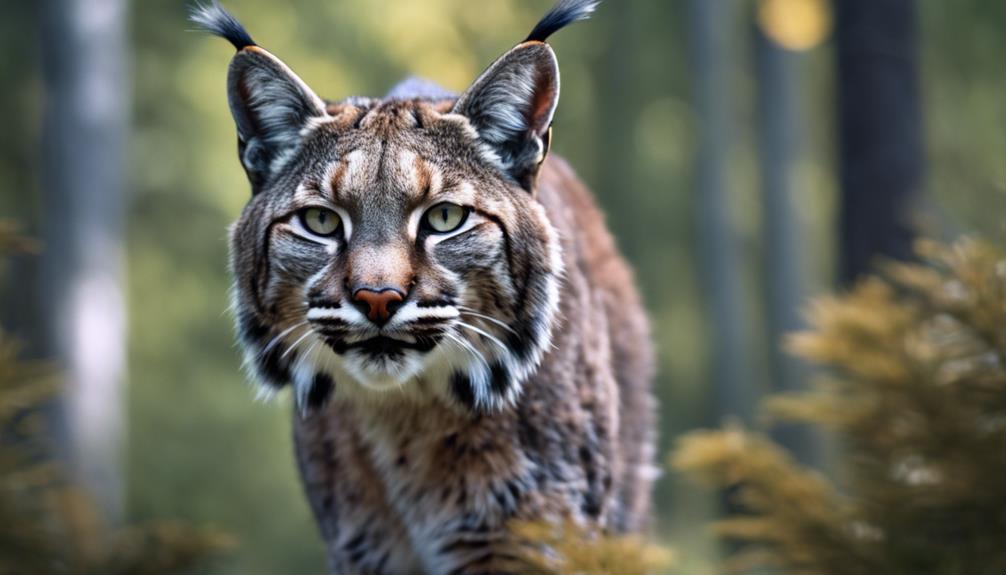
Encountering Maine's wild felines can be a thrilling but rare experience for outdoor enthusiasts. Understanding the behavior of these wild cats, such as bobcats, cougars, and Canada lynx, is essential for ensuring both human and animal safety.
Knowing how to react in the presence of these majestic creatures can help foster a harmonious coexistence between humans and Maine's diverse wildlife population.
Maine's Feline Sightings
Have wild felines in Maine been documented during outdoor activities?
- Sightings of bobcats and lynx have been reported in Maine's remote woodlands.
- Residents and visitors often encounter wild felines while hiking, camping, and exploring natural areas.
- Trail camera footage has captured Maine's elusive wild felines in their habitats.
- Maine's feline population contributes to the state's diverse wildlife ecosystem.
- The Department of Inland Fisheries and Wildlife in Maine monitors and studies wild felines for conservation.
Behavior of Wild Cats
Wild cats in Maine, particularly bobcats and lynx, exhibit elusive and stealthy behaviors characteristic of their natural habitat. Encounters with Maine's wild felines are rare due to their preference for remote woodlands and low population densities.
These cats primarily prey on small mammals like snowshoe hares, abundant in their habitat. Studying the behavior of these cats provides insights into their ecology, aiding conservation efforts and ecosystem health.
Safety Around Wild Cats
Maintaining a safe distance and refraining from feeding or approaching Maine's wild felines is essential for ensuring personal safety and respecting their natural behavior.
- Keep a safe distance from wild cats.
- Avoid feeding or approaching wild felines.
- Understand the behavior and habitat of wild cats.
- Respect the natural environment and wildlife regulations.
- Remain calm and back away slowly in close encounters.