Types Of Wild Cats In South Dakota


South Dakota is home to diverse wild cat species. Bobcats, weighing 15-20 pounds and standing at 21 inches, prey on birds, prairie dogs, and rabbits. They thrive in rural western and southern counties, hunting with stealth and retractable claws. Mountain lions reside primarily in the Black Hills, feasting on deer and elk. Canada lynx, recognizable by ear tufts, inhabit northern states along the Canadian border. Conservation efforts include wildlife reserves and monitoring populations. Habitat loss, competition, poaching, and climate change pose threats. Understanding these cats' unique behaviors and habitats provides insights into their survival challenges.
Bobcat Characteristics and Behavior
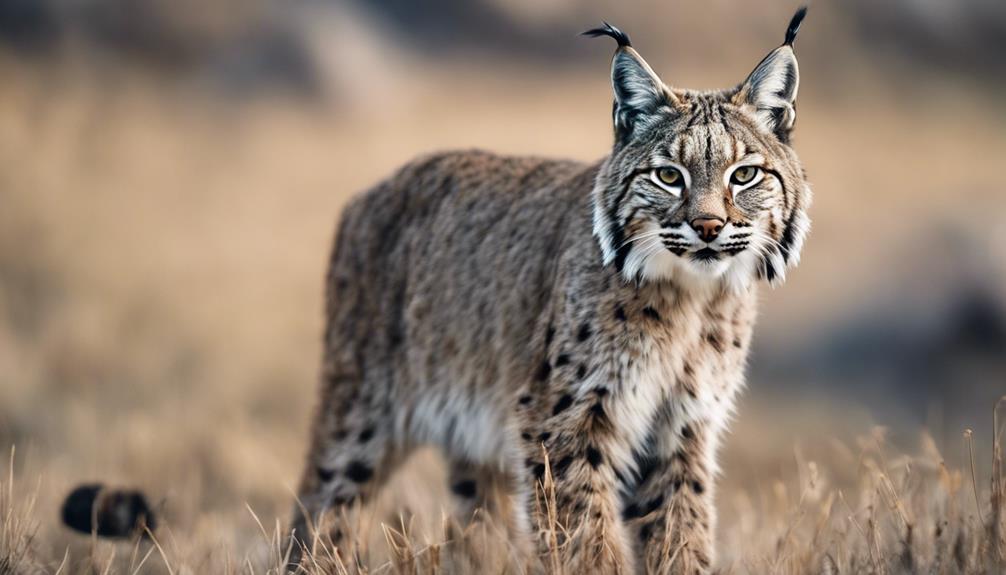
The bobcat, a native wild feline species in South Dakota, exhibits distinct characteristics and behaviors that contribute to its adaptability in various environments. With a lifespan of 12–15 years and an average height of 21 inches, these 15–20 pound predators are most active at dusk and dawn.
They primarily prey on birds, prairie dogs, rabbits, and squirrels, thriving in the rural western and southern counties of the state.
Mountain Lion Habitat and Diet
Mountain lions in South Dakota primarily inhabit the Black Hills region, showcasing their adaptability to various terrains such as forests, deserts, and mountains.
These majestic cats mainly feed on deer but also consume elk, porcupines, and small mammals, displaying their position as top predators in the ecosystem.
As elusive creatures found in 14 western states in the U.S., signs of mountain lions like tracks or scat can be encountered by visitors to places like Wind Cave National Park.
Mountain Lion Territory
Thriving within the expansive wilderness of Wind Cave National Park, the majestic predators known as mountain lions reign as the largest carnivores in the region. These elusive cats have a wide range in the Black Hills region of the United States. Mountain lions primarily feed on deer but also prey on elk, porcupines, and small mammals. Visitors may encounter signs of mountain lions like tracks or scat. Remember to follow safety tips when hiking to reduce the risk of a mountain lion encounter.
| Mountain Lion Territory | |
|---|---|
| Location | Wind Cave National Park, Black Hills region, United States |
| Primary Prey | Deer, elk, porcupines, small mammals |
| Signs of Presence | Tracks, scat |
| Safety Tips | Follow guidelines to reduce encounters |
Lion Prey Choices
Within the vast wilderness of Wind Cave National Park in South Dakota, mountain lions exhibit a diverse selection of prey choices, including deer, elk, and feral hogs. These elusive cats, as the largest predators in the park, also consume porcupines and small mammals.
Visitors should follow safety tips to reduce the risk of encountering a mountain lion while hiking, as these predators may leave behind signs like tracks or scat for observant visitors to spot.
Canada Lynx Physical Features
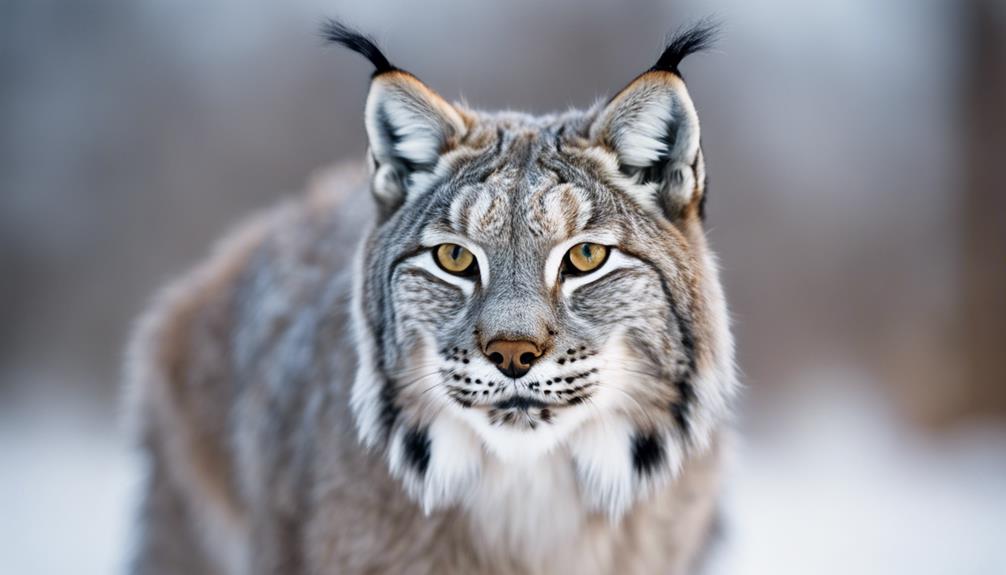
With distinct physical characteristics reminiscent of a bobcat, the Canada Lynx, scientifically known as Lynx canadensis, is easily recognizable in its natural habitat. It features long ear tufts, a short bobbed tail, and large paws.
These wild cats are commonly found in northern states along the Canadian border and in mountainous regions. Despite not being listed as endangered in the U.S., they exhibit unique features that set them apart from other wild cat species.
Wild Cat Conservation Efforts
Wild cat conservation efforts in South Dakota face various challenges, including habitat loss, poaching, and human-wildlife conflicts. Human encroachment into wild cat territories has a significant impact on their survival, necessitating strategic conservation measures.
Successful conservation strategies involve collaboration with local communities, monitoring population trends, and conducting research on genetic diversity and disease management to guarantee the long-term viability of wild cat populations.
Conservation Challenges Faced
Conservation efforts for wild cats in South Dakota are greatly challenged by various factors, including habitat loss, poaching, and the fragmentation of habitats.
Habitat loss due to human development threatens the natural spaces essential for wild cats' survival. Additionally, poaching and illegal hunting activities put species like bobcats and mountain lions at risk.
Addressing these challenges is important to guarantee the long-term conservation of South Dakota's wild cat populations.
Impact of Human Encroachment
The encroachment of human activities in South Dakota's natural landscapes has had a detrimental impact on the habitats of wild cats, particularly species like bobcats and mountain lions. Habitat loss due to human development poses a significant threat to these wild cat populations.
Conservation efforts focus on initiatives such as habitat restoration and creating wildlife corridors to counteract the effects of fragmentation and support the survival of bobcats and mountain lions in the state.
Successful Conservation Strategies
Successful initiatives aimed at safeguarding the populations of bobcats and mountain lions in South Dakota involve meticulous monitoring and habitat protection efforts. Conservation efforts include:
- Monitoring populations of bobcats and mountain lions.
- Protecting habitats and reducing human-wild cat conflicts.
- Conducting research studies on the behavior and ecology of these species.
Collaborative programs with local communities and public education further promote coexistence and conservation of these native predators.
Bobcat Hunting Techniques
How do bobcats utilize their natural hunting instincts to secure their prey effectively? Bobcats, found in South Dakota, are skilled stalk-and-ambush predators with exceptional night vision. They rely on stealth, keen senses, and retractable claws to detect and capture prey. These opportunistic hunters often pounce from hidden positions, adapting their techniques based on available prey species.
| Hunting Techniques | Description |
|---|---|
| Stalk-and-ambush | Rely on stealth and patience to catch prey |
| Keen senses | Use eyesight and hearing to detect movement |
| Retractable claws | Aid in grabbing and holding onto prey securely |
| Opportunistic hunting | Adapt techniques based on available prey species |
Mountain Lion Population in South Dakota
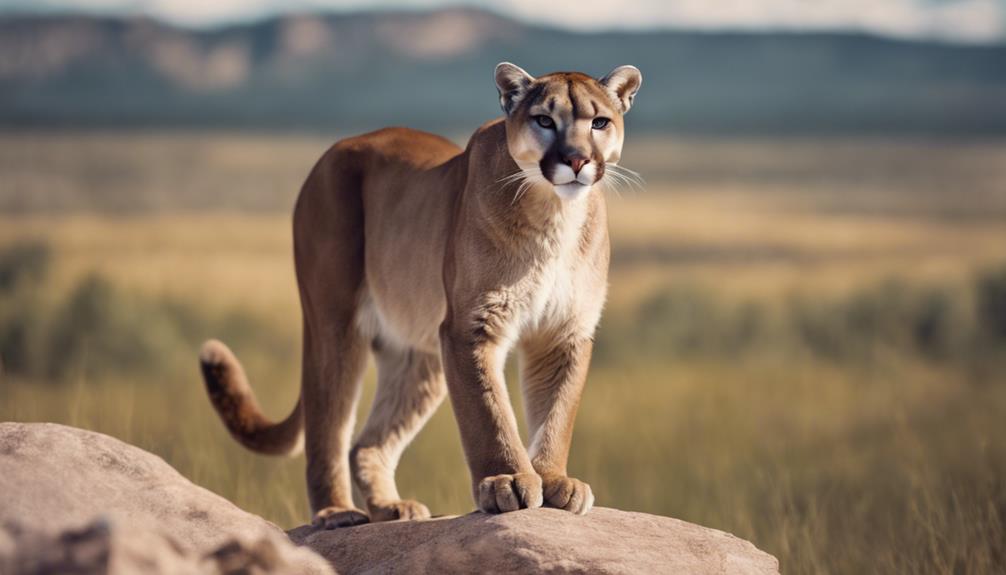
Roaming the vast wilderness of South Dakota, the Mountain Lion population, also known as cougars or pumas, thrives in its natural habitat.
South Dakota is home to around 200 Mountain Lions.
Mountain Lions in South Dakota have a lifespan of 8–13 years on average.
These elusive cats primarily feed on elk, deer, and feral hogs.
These majestic creatures are commonly found roaming the Black Hills region of South Dakota.
Canada Lynx Adaptations to Climate
Adapting to the harsh climates of northern regions, the Canada Lynx showcases distinctive physical characteristics that aid in its survival. With long ear tufts, a short bobbed tail, and large paws, this wild cat is well-equipped for cold climates.
Its physical appearance, resembling a bobcat with long hind legs and a compact body, allows it to thrive in mountainous terrains. These adaptations enable the Canada Lynx to navigate and hunt effectively in its environment.
Wild Cat Encounters in the Region
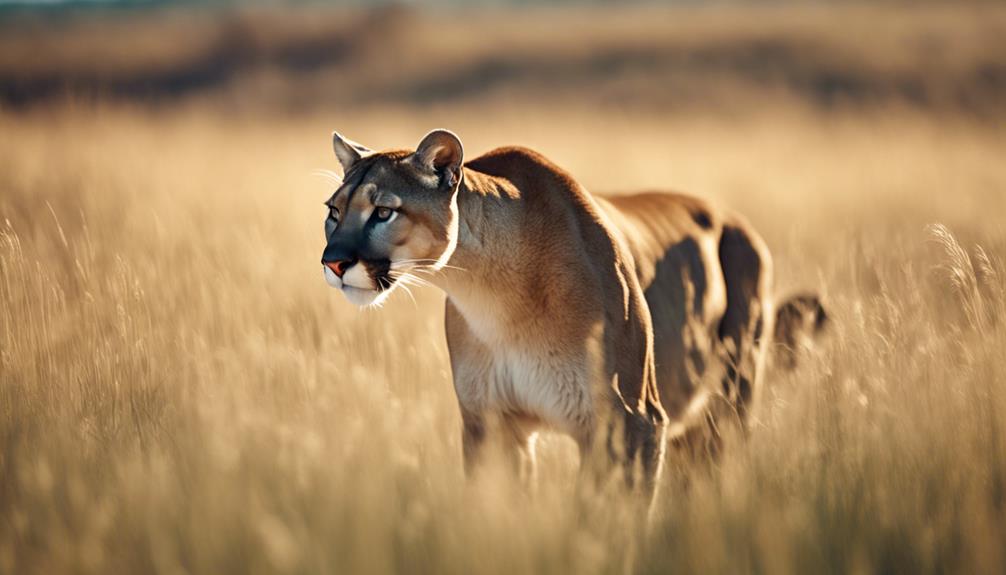
In the South Dakota region, encounters with various wild cat species, such as Bobcats and Mountain Lions, are not uncommon, especially in the rural western and southern counties.
- Bobcats are known to roam the rural areas, standing at around 21 inches tall.
- South Dakota is home to approximately 200 Mountain Lions, with a significant population in the Black Hills.
- Mountain Lions mainly prey on animals like elk, deer, and feral hogs.
Are the Types of Wild Cats in Minnesota Similar to Those in South Dakota?
Yes, the types of cats in Minnesota are similar to those in South Dakota. Both states are home to several species of wild cats, including bobcats, lynx, and mountain lions. These elusive creatures are well-adapted to the diverse landscapes of the northern Midwest region.
Threats to Wild Cat Survival
Threatening the survival of wild cats in South Dakota, habitat loss and fragmentation resulting from human development present significant challenges to these iconic species.
Illegal hunting and poaching, along with road accidents, also contribute to population decline.
In addition, competition with invasive species for resources like food and territory further jeopardizes the ability of wild cats to thrive in their natural habitats.
Climate change adds to these challenges, affecting prey availability and habitat suitability.