Ways To Tell If Your Cat Is Lonely


Cats show loneliness through excessive meowing, changes in grooming, seeking attention, and destructive behavior. Vocalization signals a need for companionship. Scratching furniture and urinating outside the litter box are signs of boredom. Excessive grooming hints at stress. Changes in appetite and water intake can indicate loneliness. Monitor for early signs of loneliness through eating habits. Additional signs include withdrawal, changes in sleep, and the need for mental stimulation. Understanding these cues is crucial for a cat's emotional well-being. More insights on recognizing loneliness in cats are available in the detailed research provided.
Behavioral Changes to Watch For

Loneliness in cats can manifest through various behavioral changes that pet owners should observe closely for early detection and intervention. Lonely cats may exhibit excessive vocalization, changes in grooming habits, and seek more attention from their humans.
Grooming your cat may decrease, or they may over-groom. Additionally, loneliness can lead to destructive behaviors like scratching furniture. Understanding these signs can help address your cat's emotional needs effectively.
Increased Vocalization and Meowing
Excessive vocalization and meowing in cats can indicate a sense of loneliness or neglect. When cats feel lonely, they may resort to meowing excessively to seek attention or reassurance from their owners.
Paying attention to changes in your cat's vocalization patterns can help you understand their emotional state and provide the necessary care and companionship they need.
Excessive Attention-Seeking Behavior
When cats experience feelings of isolation or a lack of companionship, they may exhibit increased vocalization and meowing as a form of seeking attention. Excessive vocalization is a common sign of loneliness in cats, indicating their need for human interaction.
Meowing more frequently can be a way for cats to express their feelings and seek companionship. Pay attention to changes in vocalization patterns to identify potential loneliness in your cat.
Destructive Behavior at Home
Increased vocalization and meowing in cats can sometimes manifest as destructive behavior at home, indicating potential feelings of isolation or loneliness. Excessive vocalization may occur when cats feel neglected or seek reassurance. Wild cats typically meow for communication with their mother or babies.
Owners may notice heightened vocalization during their departure or arrival, mealtimes, or bedtime, signifying the cat's need for attention and companionship.
Destructive Behavior Patterns
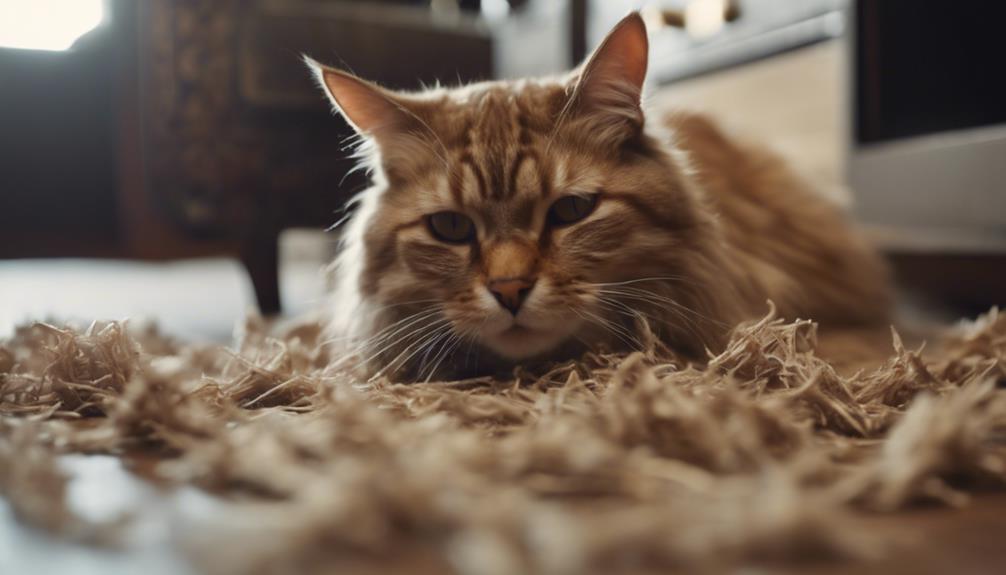
Destructive behavior patterns, such as scratching furniture or urinating outside the litter box, can serve as significant indicators of loneliness in cats. Cats may exhibit these behaviors as a coping mechanism for boredom and loneliness.
Inappropriate urination, in particular, is a common sign of loneliness. Consulting a vet is essential to rule out any underlying health issues that could be contributing to these destructive behaviors.
Excessive Self-Grooming Habits
Excessive self-grooming habits in cats can be indicative of underlying stress or loneliness. This behavior often manifests in bald spots or hairballs and may signal physical or mental stress. Loneliness can also be a contributing factor to over-grooming. In cases where a cat displays stress-related excessive grooming, seeking a vet consultation is essential to rule out any potential health issues. Loneliness from extended periods alone can trigger such behavior, necessitating attention and care.
Changes in Eating and Drinking
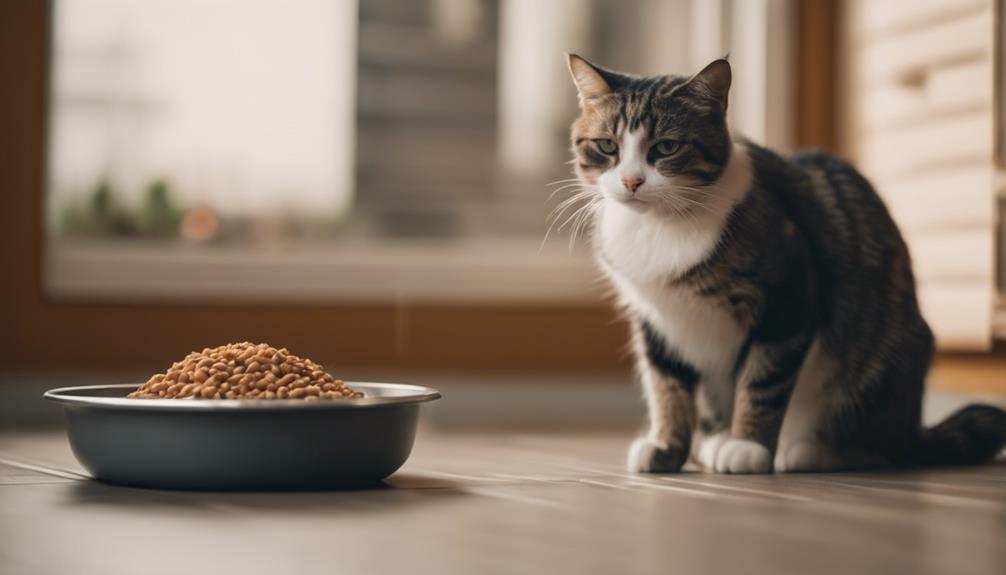
Changes in eating and drinking habits can be key indicators of loneliness in cats.
A decrease in appetite or water intake, along with disinterest in food or water bowls, may signal emotional distress.
Weight loss and dehydration can result from a lonely cat avoiding their food or water area and eating less.
Appetite Changes Observed
A noticeable decrease in appetite or a reluctance to eat can be indicative of loneliness in cats. Lonely cats may exhibit disinterest in food and water intake, leading to potential weight loss and dehydration.
Monitoring your cat's eating habits closely can help identify signs of loneliness early on. Sudden changes in appetite should prompt a closer look at your cat's emotional well-being, and providing companionship and interaction can help improve their overall health.
Drinking Habits Altered
Altered drinking habits in cats can serve as a significant indicator of loneliness, warranting careful observation and consideration.
- Sudden decrease in water intake may signal emotional distress.
- Increased water consumption could also be a sign of loneliness in cats.
- Monitor your cat's water intake for any unusual changes to guarantee their well-being.
Weight Loss Evident
Is your cat displaying sudden weight loss?
This could be a significant indicator of loneliness affecting their appetite and well-being.
Changes in eating and drinking habits, such as reduced food intake and less water consumption, may lead to dehydration and weight loss in cats experiencing loneliness.
Monitoring your cat's eating behaviors can help detect signs of loneliness early on and prevent further health issues related to appetite changes.
Seeking Extra Attention
One common behavior indicating a lonely cat is seeking extra attention through following their owners around the house.
- Cats might exhibit clingy behavior, constantly wanting to be petted or held.
- Lonely cats may vocalize more frequently, meowing for attention or reassurance.
- Some cats may display needy behavior, constantly trying to be near their owners.
Signs of Withdrawal or Isolation
Exhibiting a preference for seclusion and spending increased time in hidden spots are common signs that a cat may be experiencing withdrawal or isolation due to loneliness.
Lonely cats may avoid social interactions with humans or other pets, leading to decreased playtime and engagement with their environment.
Cats experiencing withdrawal might choose solitude over seeking attention, often spending more time in secluded areas or high spaces.
Impact on Sleep Patterns

Sleep patterns in cats can be greatly influenced by feelings of loneliness and boredom.
- Cats may sleep more when lonely, seeking comfort in rest.
- Loneliness can lead to reduced play engagement, causing increased sleep.
- Boredom may make cats withdrawn or sluggish, resulting in longer periods of sleep.
Is my cat sitting on me a sign that it is lonely?
If your cat is sitting on you, it could be a sign of affection rather than loneliness. One of the reasons cats love sitting on their owners is because they find comfort and security in their presence. It’s a way for them to bond and show their love.
Importance of Mental Stimulation
To address the mental well-being of your cat, ensuring proper mental stimulation plays an essential role in preventing loneliness-related behavior issues.
Interactive toys and puzzles engage your cat's mind, reducing boredom. Toys mimicking natural instincts, such as hunting, provide mental enrichment.
Electronic cat apps challenge cognitive abilities. Creating spaces for observing the outside world through a window can offer mental stimulation and entertainment, enhancing your cat's well-being.