Why Are Cats So Curious


Cats' curiosity is driven by genetic factors, territorial behavior, hunting instincts, a desire for attention, and an innate need to explore. Genetic predispositions contribute to their intelligence and inquisitiveness. Territorial instincts push them to mark and protect their space. Hunting instincts trigger stalking and pouncing behaviors. Seeking attention helps build bonds with humans. Cats explore their environment to satisfy curiosity and survival instincts, constantly seeking new experiences. Understanding these factors sheds light on their curious nature.
Genetic Factors
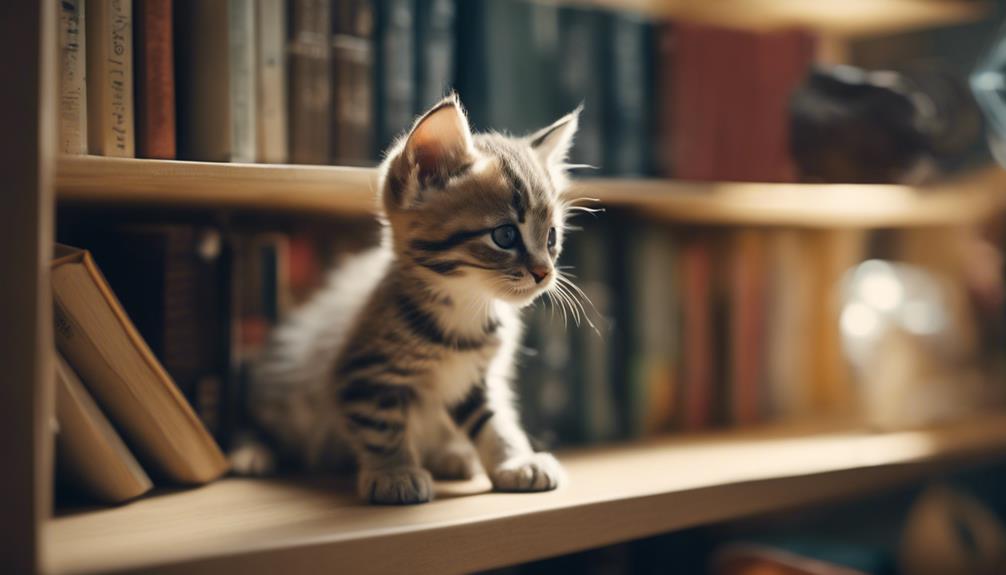
Cats inherit genetic predispositions for curiosity from their wild ancestors. This genetic factor contributes to their high intelligence, driving them to engage in persistent investigation and display impressive memory retention.
Curiosity is a fundamental trait in felines, reflecting their innate genetic makeup. Through exploration and learning, cats exhibit their natural inclination towards inquisitiveness, which is deeply rooted in their genes.
Territorial Behavior
Territorial behavior in cats is an essential aspect of their nature, serving to protect their space and resources.
Cats mark their territory through scent glands on their face and paws, sending a clear message to potential intruders.
This behavior can lead to aggression towards unfamiliar animals who encroach on their established boundaries.
Marking Territory Boundaries
In the domain of feline behavior, the marking of territory boundaries stands as an essential element in understanding the innate instincts and actions of our domestic companions.
Territorial behavior is driven by a cat's need to protect its home and resources, with scent marking being a common method. Cats use scent marking and scratching to establish and maintain their territory, displaying curiosity in monitoring their surroundings for potential intruders.
Investigating New Scents
When encountering unfamiliar scents, felines rely on their acute sense of smell to assess potential threats and mark their territory effectively. Investigating new scents is a natural instinct for these curious creatures, aiding in territory protection.
Cats use their keen sense of smell to establish familiarity in their surroundings, showing heightened curiosity when encountering scents from other animals or objects. This behavior is essential for their safety and territorial boundaries.
Hunting Instincts

Cats' hunting instincts are deeply rooted in their natural prey drive. This instinct compels them to exhibit behaviors like stalking and pouncing, even in a domestic environment.
Small movements and sounds can trigger these innate hunting behaviors, leading to a display of their predatory nature.
Natural Prey Drive
The feline's innate predatory nature, rooted deeply in evolutionary history, drives their insatiable curiosity and instinctual hunting behaviors.
- Cats' natural prey drive compels them to explore their surroundings for potential targets.
- Hunting instincts push cats to assess their environment carefully.
- Curiosity in cats is closely linked to their instinctual need to hunt and satisfy their predatory nature.
Stalking and Pouncing
Rooted deeply in their instincts, felines display a remarkable blend of stealth and precision when engaging in stalking and pouncing, behaviors that mirror their hunting prowess.
Cats exhibit patience and agility, showcasing their natural hunting skills as predators. With focused attention and quick movements, cats stalk their prey before decisively pouncing to catch it.
These behaviors are essential for their survival and provide mental stimulation for domestic cats.
Desire for Attention
Manifesting a strong need for interaction, cats display a distinct desire for attention from their owners.
- Cats exhibit curiosity as a way to seek attention from their owners.
- Seeking attention is a common behavior in cats to establish a bond with humans.
- Attention-seeking actions, such as meowing or purring, indicate cats' desire for interaction with their owners.
Seeking Exploration
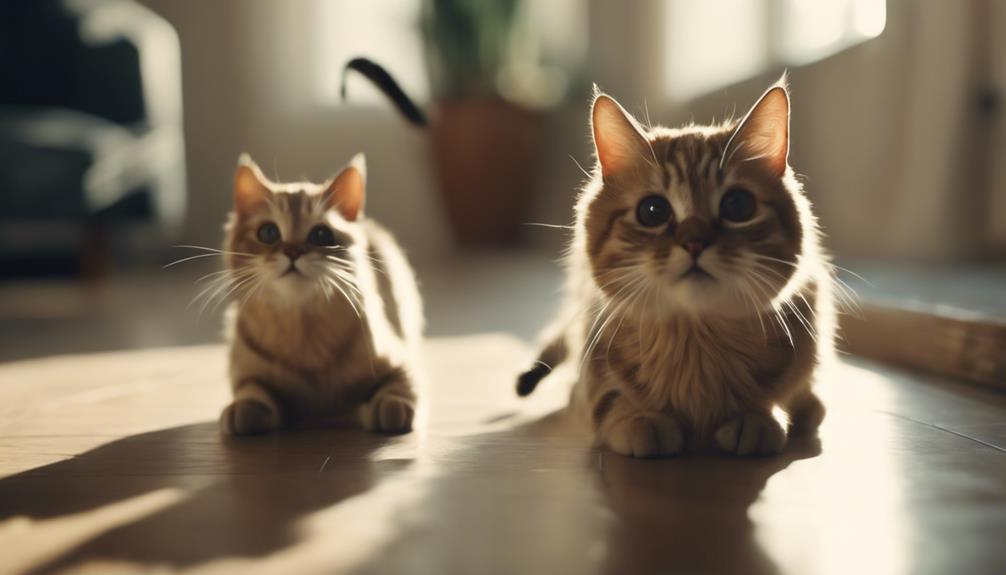
Driven by an innate curiosity, cats are compelled to explore and investigate their surroundings as a means of understanding the world around them.
This inquisitive behavior stems from their survival instincts, pushing the curious cat to seek out new experiences.
Learning and Adapting
Cats' intrinsic curiosity plays a crucial role in their ability to learn about their environment and adapt to changes effectively. Through their inquisitive nature, cats engage in adaptive behaviors, learning through curiosity.
This process enables them to understand new objects, people, and situations, explore, and engage in problem-solving activities. Learning and adapting driven by curiosity help cats develop new skills and thrive in various environments.
Does Petting Cats Satisfy Their Curiosity?
Petting cats has long been recognized as a way to fulfill their curiosity. Have you ever wondered why cats enjoy petting so much? The answer lies in their innate need for stimulation and social interaction. It’s through this act of petting that cats feel acknowledged, loved, and mentally engaged – ultimately satisfying their insatiable curiosity.
Interaction With Environment
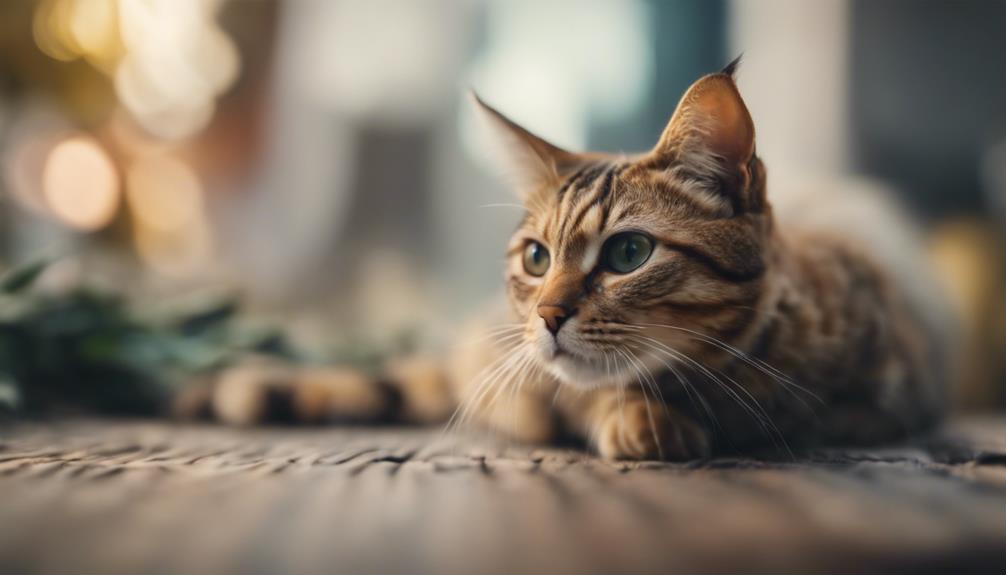
Interacting actively with their surroundings, cats demonstrate a natural curiosity that drives them to explore and investigate their environment for prey and predators. Their keen senses guide them to assess potential threats or opportunities, rooted in their hunting instincts.
Through this exploration, cats gather crucial information about their territory, ensuring they remain alert and mentally stimulated. This interaction with the environment is a fundamental reason your cat exhibits curiosity.