Why Do Cats Pounce


Cats pounce due to instinctual hunting behavior from their evolutionary past. Pouncing is vital for survival, honing predatory skills and providing mental stimulation. It allows cats to playfully engage with their environment, mimicking hunting behaviors. Pouncing helps release pent-up energy, promoting exercise and overall well-being. Additionally, it reflects cats' natural hunting prowess, showcasing agility and coordination. Some cats pounce to seek attention, engaging in interactive play with owners. This behavior serves as stress relief, supporting their physical and mental health. Understanding why cats pounce sheds light on their natural instincts and playful nature.
Instinctual Hunting Behavior
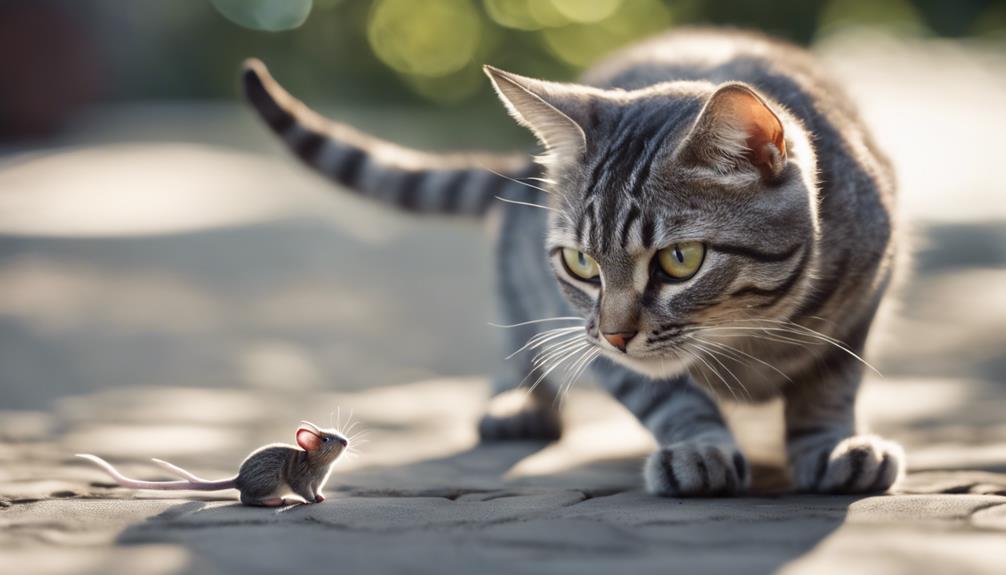
Cats' instinctual hunting behavior, deeply rooted in their evolutionary past, drives them to engage in the act of pouncing as a way to hone their predatory skills and maintain their hunting prowess. Pouncing is a natural behavior for cats, essential for their survival in the wild where they hunt for food.
Even in a domestic setting, interactive toys mimic this hunting instinct, providing mental stimulation for these natural hunters.
Playful Engagement With Environment
Engaging playfully with their surroundings, felines exhibit a natural inclination towards interactive behaviors that mirror their hunting instincts.
- Pouncing allows cats to engage in interactive play with their environment.
- Cats use pouncing to mimic hunting behaviors and stay mentally stimulated.
- Pouncing helps cats release pent-up energy and maintain physical health.
- It's a natural instinct for cats to stalk and pounce on moving objects or shadows.
Release of Pent-up Energy
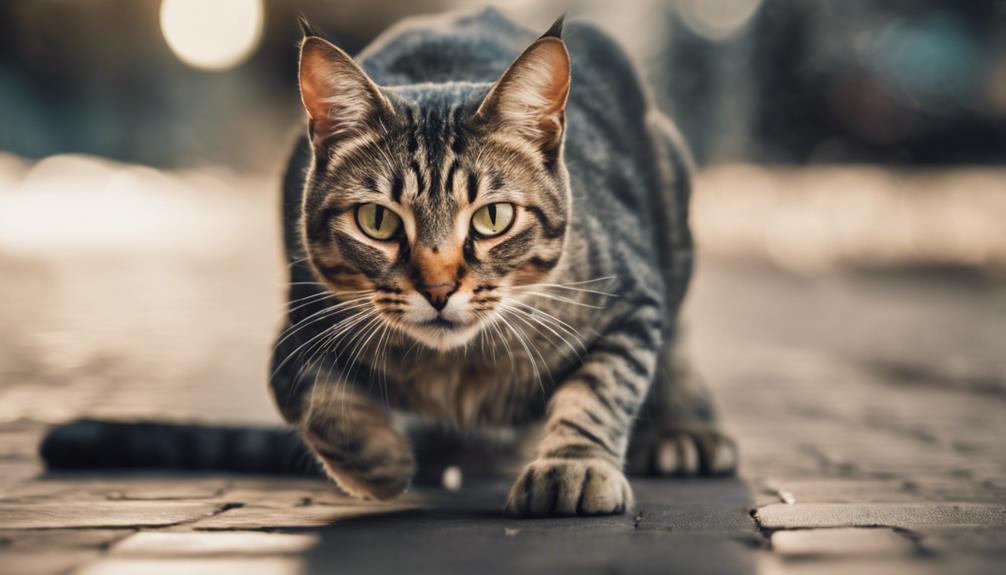
Cats pounce to release pent-up energy that builds up during periods of rest. This behavior allows cats to engage in instinctual hunting movements, mimicking the actions they would take in the wild. In addition to pouncing, cats also use this energy to practice their hunting skills and sharpen their reflexes. This natural instinct helps them to stay sharp and ready to react to potential threats in their environment. For example, can cats detect snakes and other predators through their keen sense of smell and sight, allowing them to stay on high alert and protect themselves from danger. Understanding cat behavior can help owners provide appropriate outlets for their pets’ energy and instincts. By providing interactive toys and engaging in playtime with their cats, owners can satisfy their pets’ natural hunting behaviors and keep them mentally and physically stimulated. This can also help prevent behavioral problems that may arise from boredom or lack of stimulation. Understanding cat behavior is essential for creating a happy and healthy environment for our feline friends.
Energy Release Through Play
Felines exhibit an instinctual need to release pent-up energy through playful pouncing behaviors for several reasons:
1) Pouncing helps cats engage in physical activity.
2) It allows them to mimic hunting behaviors.
3) Pouncing provides mental stimulation.
4) This playful behavior contributes to the overall well-being of cats by promoting exercise and mental engagement.
Instinctual Hunting Behavior
Pouncing, a behavior deeply ingrained in felines, serves as an essential outlet for their instinctual hunting tendencies and the release of pent-up energy. Cats pounce to engage in their predatory nature, honing hunting skills like stalking and precise leaps. This behavior provides crucial physical activity and mental stimulation, allowing cats to fulfill their natural instincts. Through pouncing, cats mirror their wild hunting behaviors, promoting overall well-being.
| Instinctual Hunting Behavior | ||
|---|---|---|
| Predatory Nature | Hunting Skills | Natural Instincts |
| Physical Activity | Mental Stimulation |
Expression of Natural Hunting Prowess
A fundamental aspect of feline behavior that transcends mere playfulness or curiosity is the expression of their innate hunting prowess.
- Cats pounce to mimic their natural hunting instincts, honed through generations of evolution.
- Pouncing allows cats to practice important skills like stalking, focusing, and pouncing on prey.
- The act of pouncing helps cats release pent-up energy and engage in physical exercise.
- Through pouncing, cats demonstrate their agility, speed, and coordination, reflecting their innate predatory nature.
Attention-seeking Behavior
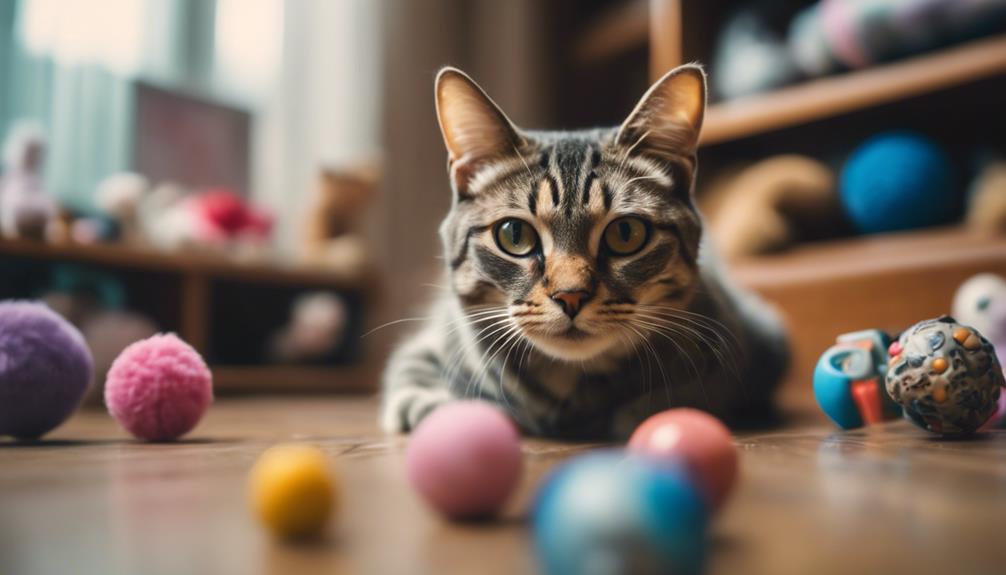
Cats may exhibit attention-seeking behavior through pouncing in order to solicit response and interaction from their human companions. This behavior can be a way for cats to seek engagement and playtime. Some cats learn that pouncing on their owners leads to attention or play, which reinforces the behavior. Redirecting attention to appropriate toys or activities can help address attention-seeking pouncing behavior in cats.
| Attention-Seeking Behavior | |
|---|---|
| *Purposes* | Interaction |
| *Triggers* | Owners |
| *Results* | Playtime |
Are Ragdoll Cats’ Limp Behavior Related to Pouncing Instinct?
Ragdoll cats have a unique instinct called the “why ragdoll cats go limp” behavior, where they relax their muscles when being picked up. Some experts believe this behavior is related to their natural pouncing instinct, as it may help them appear less threatening to their prey. This trait makes Ragdolls particularly docile and affectionate, endearing them to cat lovers around the world. Their laid-back demeanor, combined with their soft and cuddly nature, often leads to owners wondering about other unique feline quirks, such as why cats shake their heads during interactions or play. Both behaviors highlight how fascinating and distinct feline instincts can be, offering insight into their communication and survival tactics.
Stress Relief Through Pouncing
Engaging in natural hunting behaviors, felines find stress relief through the act of pouncing.
- Pouncing behavior mimics hunting instincts.
- It serves as a form of play behavior, relieving anxiety.
- Pouncing offers physical exercise for cats.
- This activity aids in maintaining mental sharpness.