Why Do Cats Stalk


Cats stalk due to their innate hunting instincts, a behavior rooted in their genetic makeup and evolutionary history. This stalking serves to exercise predatory skills, maintaining mental and physical stimulation. Stalking mimics ancestral predatory behaviors, ensuring cats remain mentally engaged and agile. Cats observe, plan, and execute precise pounces, essential for successful hunting. This behavior reflects natural instincts deeply ingrained in cats' genetic composition, shaping their predatory nature. Understanding the significance of stalking reveals cats' evolutionary adaptations for survival. The intricate details of cats' stalking behaviors shed light on their hunting prowess and instinctual drive.
Hunting Instincts
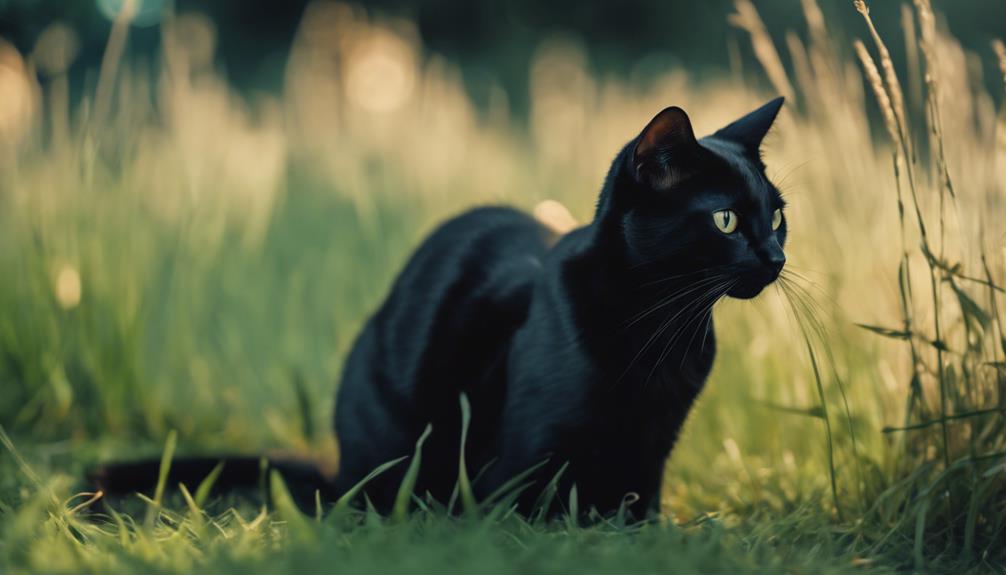
Ingrained in the genetic makeup of cats are natural hunting instincts that drive their stalking behavior. Cats’ instinctive behavior stems from their ancestral need to hunt for survival. This can be seen in their behavior, such as pouncing on moving objects and stalking their prey. Their agile reflexes and keen senses make them natural hunters. Even in domesticated settings, these instincts are still present, leading to cat behavior and tail chasing, as they try to satisfy their primal instinct to hunt and capture prey. Providing opportunities for cats to engage in activities that mimic hunting can help satisfy these instincts and promote their overall well-being.
Even domestic cats exhibit this behavior as a way to mimic their predatory ancestors and maintain their hunting skills. Stalking is a normal and instinctual behavior for cats, allowing them to stay mentally and physically stimulated through play and mimicry.
Exercise and Predatory Instincts
Stalking is more than just a playful behavior for cats; it serves as a way for them to exercise their innate predatory instincts in a safe setting.
By engaging in stalking activities, cats can release built-up energy and remain mentally engaged, mimicking the hunting behaviors of their wild counterparts.
This natural instinct not only fulfills their need to hunt but also helps them maintain physical agility and mental sharpness.
Hunting for Fun
Playful and engaging, hunting for fun serves as an essential outlet for cats to exercise and satisfy their innate predatory instincts.
Cats indulge in stalking not only for mental stimulation but also to mimic hunting behaviors in a controlled environment.
This playful activity helps cats release pent-up energy and maintain their natural hunting skills.
Natural Energy Release
To maintain their physical health and innate hunting skills, cats rely on engaging in stalking as an essential outlet for releasing pent-up energy and exercising their predatory instincts. Stalking serves as a crucial form of exercise that helps cats stay healthy, agile, and mentally stimulated.
Regular stalking sessions not only prevent obesity but also promote overall well-being by satisfying their need for physical activity and honing their hunting behavior.
Observing and Pouncing
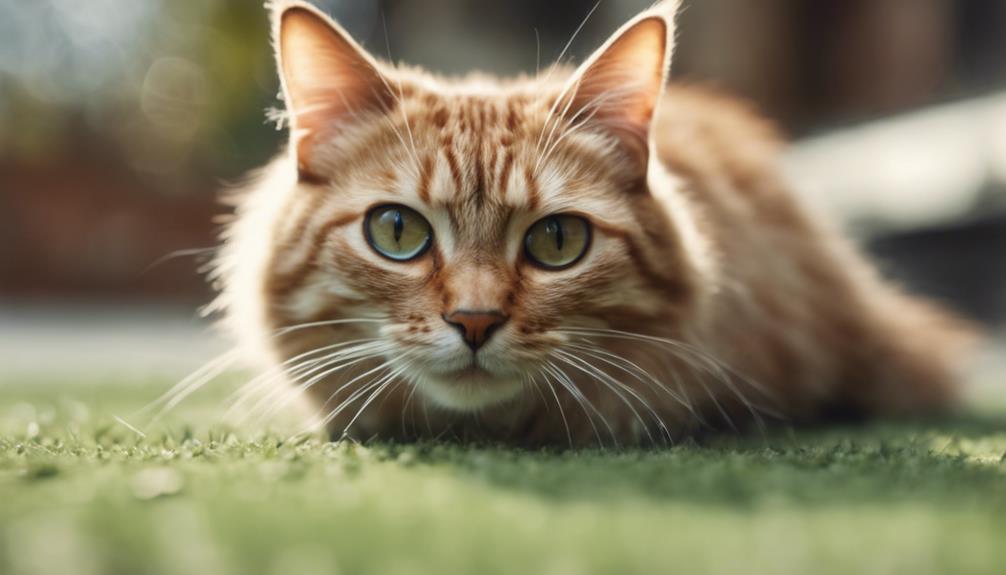
Cats meticulously observe their surroundings before swiftly executing a calculated pounce on their potential prey. By observing, they assess the situation, determining the optimal strategy for a successful attack.
Pouncing is a vital part of their hunting process, allowing them to catch their target with precision. This behavior satisfies their natural predatory instincts, engaging them in a playful but purposeful pursuit of their prey.
Practice and Strategy
Enhancing their hunting prowess through meticulous practice and strategic planning, cats refine their stalking techniques to guarantee a successful capture of prey. Stalking helps cats practice their natural hunting skills and instincts, allowing them to observe and plan their attack carefully.
Active and Engaged
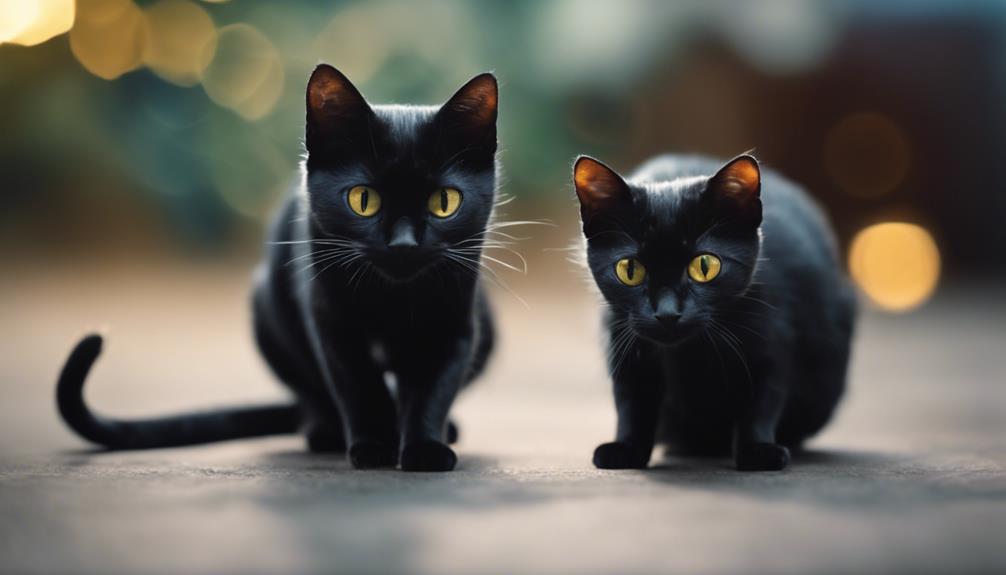
Engaging in stalking behavior allows cats to remain actively involved and mentally stimulated in their surroundings. Cats stalk to exercise their natural hunting instincts, releasing pent-up energy in a playful manner. This behavior mimics hunting activities, keeping them entertained and mentally sharp. Stalking helps cats stay physically fit and mentally engaged, contributing to their overall well-being and ensuring they lead a fulfilling life.
| Stalking Benefits | Description |
|---|---|
| Exercise Instincts | Cats engage in natural behaviors. |
| Mental Stimulation | Stalking keeps cats mentally sharp. |
| Physical Fitness | Stalking helps cats stay active. |
Natural Behavior in Cats
Stalking is an inherent behavior in cats, deeply rooted in their hunting instincts. Cats' ability to mimic prey, coupled with their tactical ambush maneuvers, showcases their predatory nature.
Understanding these natural behaviors sheds light on the evolutionary history and survival strategies of these fascinating feline creatures.
Hunting Instincts in Cats
Have you ever wondered what drives cats to exhibit their natural hunting instincts? Domestic cats have a genetic predisposition for hunting, learning essential skills through play and observation. Despite living in homes where hunting isn't necessary for survival, most cats retain their hunting abilities. Stalking, capturing, and consuming prey are ingrained behaviors that contribute to a cat's well-being. This instinctual behavior is vital for their physical and mental health.
| Hunting Instincts in Cats | |
|---|---|
| Genetic Predisposition | Essential Skills |
| Playful Learning | Retained Abilities |
| Stalking Behavior | Well-being |
| Survival Instincts | Mental Health |
Prey Mimicry Behavior
Cats naturally exhibit prey mimicry behavior as part of their instinctual hunting repertoire. This behavior allows cats to practice their hunting skills, showcasing their genetic predisposition for stalking, pouncing, and playful hunting. Cats display stealthy movements, focused attention, and sudden bursts of energy while engaging in prey mimicry.
Even domesticated and well-fed cats engage in prey mimicry to satisfy their innate hunting instincts. This behavior demonstrates their natural inclination towards stalking behavior.
Ambush Tactics in Cats
Employing stealth and patience, felines utilize ambush tactics as a natural hunting strategy to surprise and capture their prey effectively.
Ambushing allows cats to conserve energy and increase hunting success. This technique involves crouching low, stalking silently, and launching a quick attack.
Understanding these ambush tactics helps cat owners appreciate their pets' instinctual hunting skills, showcasing the remarkable abilities of cats in the wild.
Stalking for Mental Stimulation
Engaging in stalking behaviors serves as an essential mental exercise for felines, stimulating their innate hunting instincts and cognitive faculties. Stalking provides mental stimulation for cats by engaging their natural hunting instincts, keeping them mentally alert.
This activity allows cats to release pent-up energy, satisfying their need for mental challenges. Ultimately, stalking is a healthy way for cats to exercise their minds, promoting overall well-being and mental sharpness.
Predatory Behavior at Home
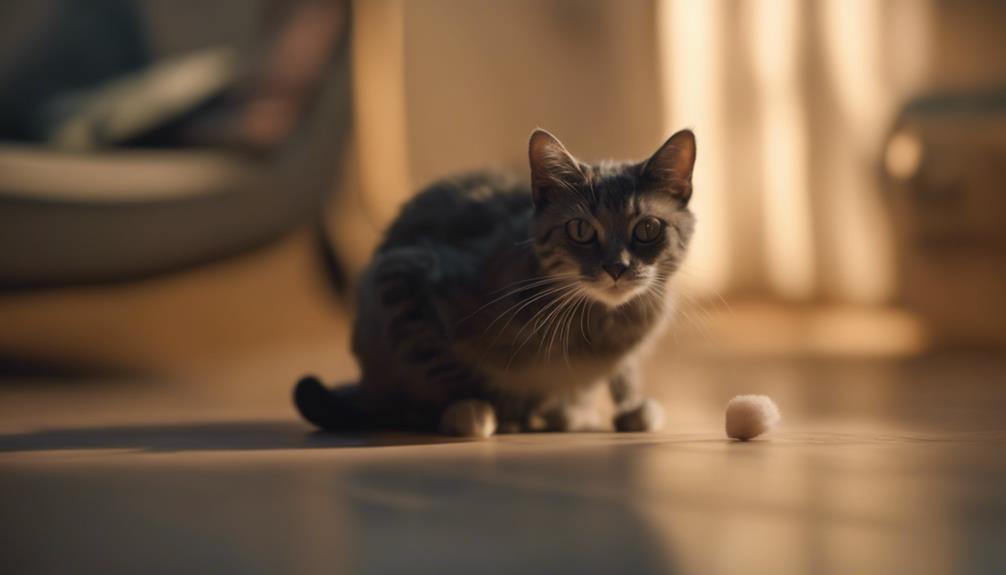
Cats' predatory behavior at home is a manifestation of their innate hunting instincts passed down from their wild ancestors. Through playful pouncing and stalking, cats engage in simulated hunting experiences, fulfilling their natural drive to hunt and capture prey.
Understanding and providing outlets for this behavior can help cats stay mentally stimulated and physically active in the indoor environment.
Hunting Instincts Exhibited
Hunting instincts exhibited by domestic cats manifest through predatory behavior at home, stemming from their ancestral genetic predispositions.
Cats get a need to stalk, engaging in this behavior as a way to mimic hunting activities. Stalking is a natural response for cats, fulfilling their instinctual drive to hunt.
Playful Pouncing Behaviors
Domestic cats often display playful pouncing behaviors within the home environment, showcasing their innate predatory instincts through interactive and stimulating activities. Pouncing on toys or moving objects allows cats to mimic hunting and stalking behaviors.
These playful activities provide mental and physical stimulation, satisfying their natural predatory instincts. Engaging cats in interactive play sessions with toys designed for stalking and pouncing can promote healthy play behaviors and overall well-being.
Simulating Hunting Experience
Indulging their primal instincts, felines often engage in stalking behaviors within the confines of their indoor environment. Cats stalk to simulate hunting experiences at home, mirroring their natural predatory behavior. This innate drive to hunt not only provides mental stimulation but also helps keep them physically active and engaged. However, when their territorial instincts come into play, it may lead to behaviors that perplex their owners, such as scratching furniture or marking spots. Understanding why cats spray indoors can be key to addressing these issues, as it often ties back to stress, dominance, or the need to communicate boundaries.
This behavior allows cats to satisfy their instinctual drive to hunt and capture prey in a controlled setting. By engaging in stalking, cats receive both mental and physical stimulation, exercising their innate predatory instincts while living indoors.
Stay Active Indoors
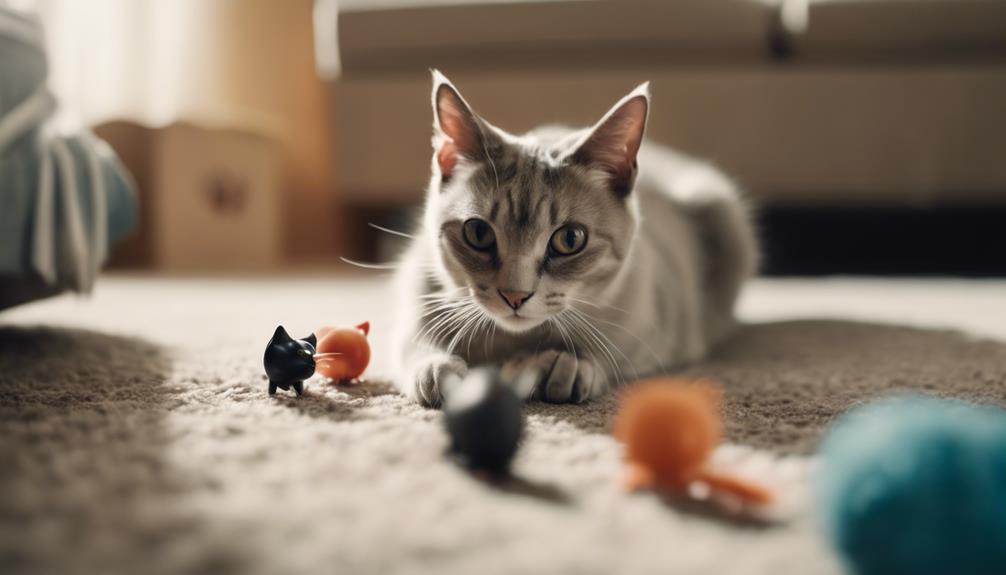
How can indoor cats maintain their natural instincts while staying active indoors?
Providing interactive toys is crucial. These toys engage indoor cats in stalking behaviors, fulfilling their hunting instincts.
Mental and physical stimulation through play sessions prevents boredom and stress.
Enriching the indoor environment with scratching posts and climbing structures encourages safe stalking behavior.
Mimicking hunting experiences through these activities guarantees indoor cats stay active and happy.
Cat's Natural Instincts
Cats' inherent genetic makeup and evolutionary history have honed their natural instincts, particularly their inclination towards stalking. With 95.6% DNA shared with tigers, cats possess a strong predatory drive. Their bodies are designed for stealth and hunting, reflecting their efficiency as predators.
Stalking behavior is deeply ingrained in their genetic makeup and brains, showcasing their ancestral instincts for hunting. This natural inclination towards stalking is a fundamental aspect of cats' instincts.