Why Do Cats Wiggle Before They Pounce


Cats wiggle before they pounce due to their innate hunting instincts. This behavior helps them prepare their muscles and assess their surroundings before making a precise and agile move. By wiggling, cats make certain that their muscles are ready for action, enhance their agility, and maintain balance for a successful pounce. This instinctual behavior is deeply rooted in their evolutionary past and mimics the techniques wild cats use for hunting. Understanding why cats wiggle before pouncing sheds light on their complex predatory nature and the significance of this ritual in their hunting behavior. Further insights into this fascinating behavior await discovery.
The Instinctual Nature of Cat Wiggling
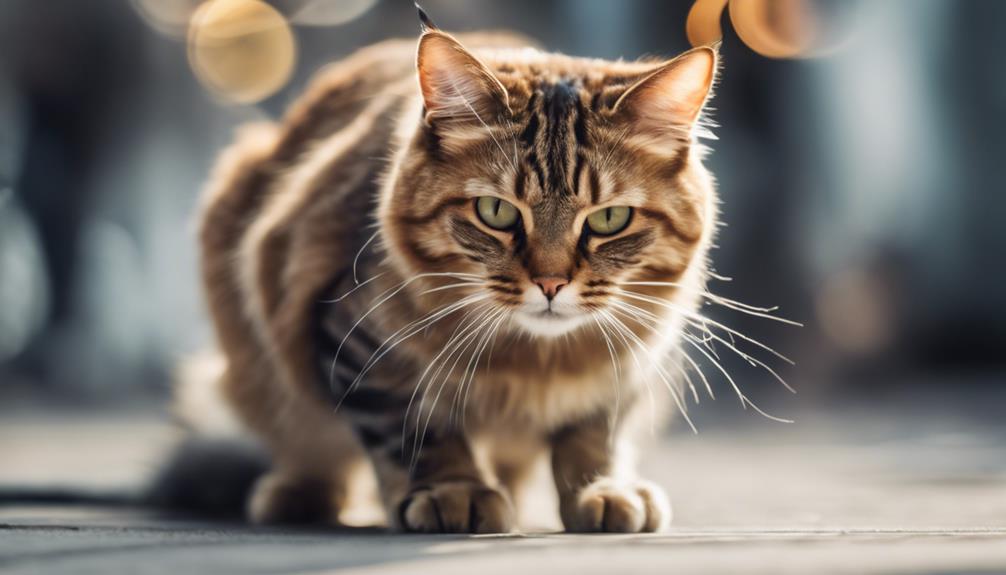
What drives cats to wiggle before pouncing lies deeply embedded in their instinctual connection to their hunting heritage. This behavior serves as a sensory preparation and muscle warm-up for the impending leap, ensuring a successful strike.
Wild cats, such as lions and tigers, also exhibit this behavior, hinting at an evolutionary aspect. Studying both wild and domestic cats sheds light on the origins and significance of this unique behavior.
Hunting Preparation Through Wiggling
Wiggling before pouncing is an essential aspect of a cat's hunting preparation, ensuring ideal muscle readiness and sensory assessment for a successful strike. Cats perform this behavior to stretch and warm up their muscles, enhancing agility and coordination.
It also allows them to evaluate the ground for stability and traction, aiding in the precision of their pounce. This instinctive action mimics wild hunting techniques, contributing to their hunting skills.
Role of Balance in Cat Pouncing
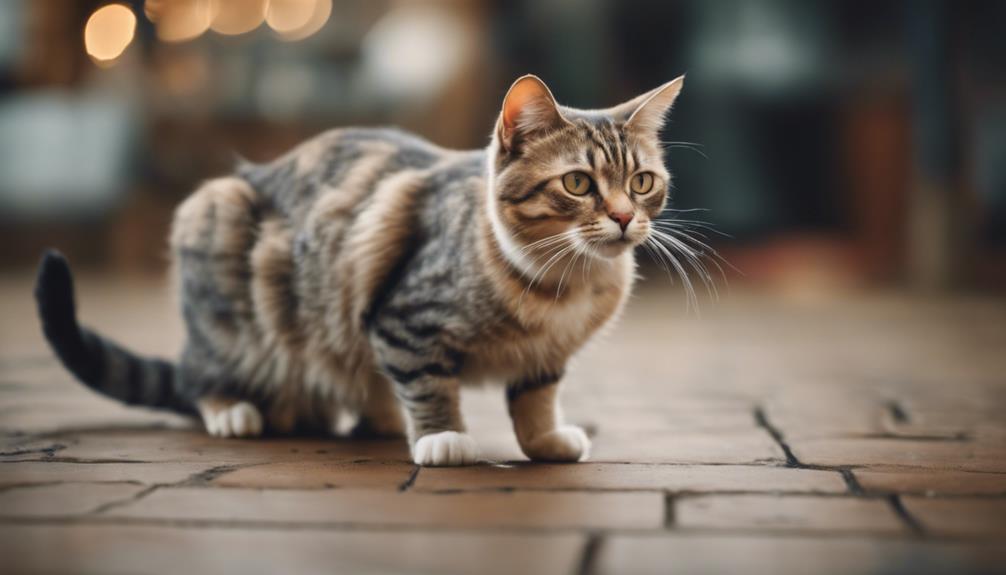
In the context of a cat's predatory behavior, maintaining balance plays a vital role in the successful execution of pouncing maneuvers. Cats carefully distribute weight, engage muscles, and test the ground for stability before leaping.
Preparatory movements, like wiggling before a pounce, help guarantee accuracy. By alternating legs while walking and focusing on balance, cats enhance their stability, essential for a precise and effective pounce.
Cat Wiggle for Enhanced Precision
Cats' distinctive wiggling before pouncing plays a vital role in enhancing their precision during hunting activities.
This behavior allows them to fine-tune their movements, ensuring improved accuracy, agility, and focus.
Improved Hunting Accuracy
The intentional pre-pounce movements exhibited by felines serve to greatly enhance their hunting accuracy through precise adjustments in balance and muscle preparation. By wiggling before pouncing, cats ground themselves, ensuring stability for a successful strike.
This preparatory movement allows for even weight distribution and engages muscles, enabling a stable and accurate leap. Overall, the butt-wiggling behavior is a natural instinct that aids cats in focusing, aiming, and effectively catching prey.
Heightened Focus and Agility
Exhibiting a remarkable display of heightened focus and agility, felines engage in a distinctive butt-wiggling behavior before pouncing to guarantee precise strikes on their targets. This preparatory movement allows cats to engage their muscles and distribute weight evenly, enhancing their agility and readiness to strike with accuracy.
The brief crouch and wiggle before a pounce signify the cat's heightened focus and alertness towards the prey.
Enhanced Stealth and Speed
Before executing a precise pounce, felines exhibit a distinctive butt-wiggling motion to enhance their stealth and speed, ensuring a successful leap towards their target.
This preparatory action helps cats by engaging their muscles, improving traction, and increasing overall speed.
The strategic butt-wiggle assists in maintaining balance and control, allowing for a swift and accurate movement during the pouncing process.
Muscle Readiness and Wiggling Behavior
Before a cat pounces, its wiggling behavior signals the activation of muscles, contributing to a successful leap. This preparatory movement not only aids in hunting efficiency but also helps in maintaining stability during the pounce.
Muscle Activation Before Pounce
In preparation for a swift and precise pounce, cats engage in a distinctive wiggling behavior to activate their muscles. This muscle activation helps them prepare for the pounce, enhancing agility, coordination, and muscle readiness. This behavior is not only adorable but also serves an important purpose in fine-tuning their balance and focus before making their move. By wiggling, they ensure their body is primed for an accurate and powerful leap, increasing the likelihood of successfully capturing their target. With this in mind, the mystery behind why cats pounce explained becomes clearer—it is a combination of instinct, precision, and preparation inherent to their predatory nature.
Improves Hunting Success
Cats' wiggling behavior, specifically their distinctive butt-wiggling before pouncing, plays an essential role in enhancing their hunting success through improved muscle readiness and coordination.
- Butt-wiggling helps prepare muscles for rapid movement.
- Enhances hunting success by improving muscle readiness.
- Aids in agility and precise pouncing through muscle warm-up.
The Fun Element in Cat Wiggling
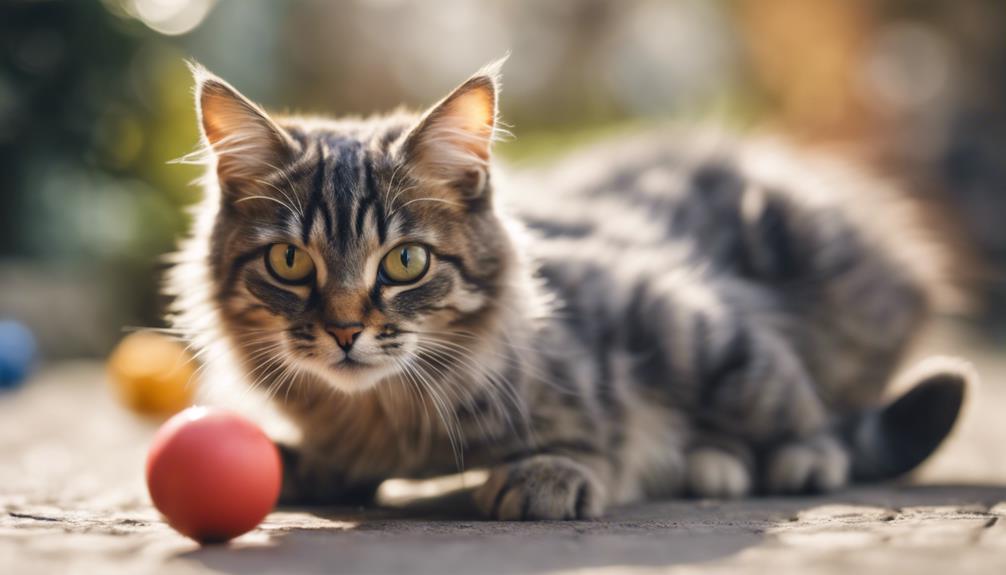
Amidst the natural instincts and behaviors of felines, the element of enjoyment and amusement emerges prominently in the phenomenon of cat wiggling before pouncing. This behavior triggers a release of dopamine, leading to excitement for the cat. It serves as a fun play behavior, mimicking hunting instincts. The table below summarizes the fun elements of cat wiggling.
| Fun Element | Description |
|---|---|
| Dopamine Release | Provides excitement |
| Natural Instinct | Mimics hunting behaviors |
| Play Behavior | Fun for cats |
| Enjoyment | Offers amusement for the cat |
Understanding Cat Pounce Signaling
The behavior of cat butt-wiggling before pouncing serves as an essential preparatory signal indicating the feline's readiness to engage in a swift and calculated leap.
- Cats adjust their balance and traction.
- This behavior aids in muscle preparation.
- It enhances proprioception, helping in coordination.
Pounce Rituals in Big Cats
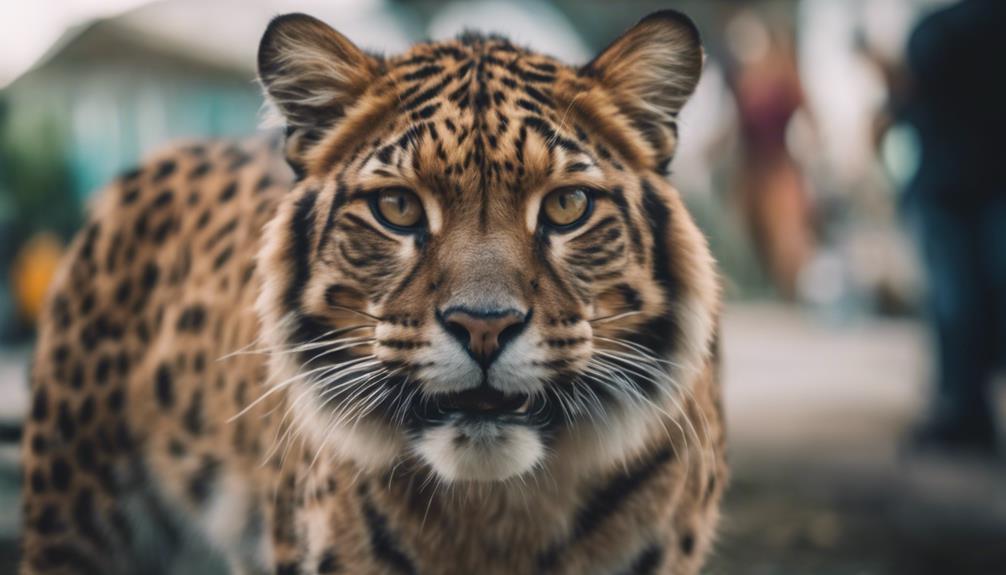
In the domain of big cats, the practice of butt-wiggling before pouncing is a well-documented and intriguing ritual that serves important preparatory functions. This behavior helps big cats prepare muscles, adjust balance, and check ground stability before engaging in their characteristic pouncing behavior. Observations of wild cats engaging in similar rituals suggest common evolutionary roots between domestic and wild felines.
| Pounce Rituals in Big Cats | ||
|---|---|---|
| Benefits | Description | Importance |
| Prepare Muscles | Warm-up muscles | Avoid injuries |
| Balance Adjustment | Check ground stability | Enhance accuracy |
| Evolutionary Roots | Shared behavior patterns | Common ancestry |
Evolutionary Significance of Cat Wiggling
Studying the butt-wiggling behavior observed in both domestic and wild cats offers valuable insights into the evolutionary significance of this preparatory ritual.
- Evolutionary biomechanics: Understanding how this behavior has evolved over time.
- Muscle preparation: Examining how the wiggling motion helps with muscle readiness.
- Adaptive advantages: Exploring the survival benefits this ritual provides regarding proprioception, sensory roles, and traction during hunting.