Why Does My Cat Rub Against Things


Cats rub against things to establish their territory using scent glands on their cheeks, chin, head, and tail. This behavior helps them confirm, communicate their status, and express comfort. Rubbing serves as a form of social interaction, where cats exchange information, show affection, and strengthen social bonds. Additionally, through rubbing, cats assert ownership, reduce stress, and create a communal scent for group identification. This instinctual behavior is deeply rooted in cats to set boundaries, signal presence, and guarantee security. Understanding why cats rub against things helps in appreciating their need for a secure and comfortable environment. Furthermore, feline behavior and leg rubbing are closely linked, as cats often rub their bodies against furniture, people, or other animals to mark their territory and leave their scent behind. This behavior is a way for cats to communicate with each other and establish a sense of belonging within their social group. By recognizing the significance of feline behavior and leg rubbing, cat owners can better understand their pets’ need for a consistent and familiar environment, ultimately leading to a happier and more contented pet.
Scent Marking Behavior in Cats
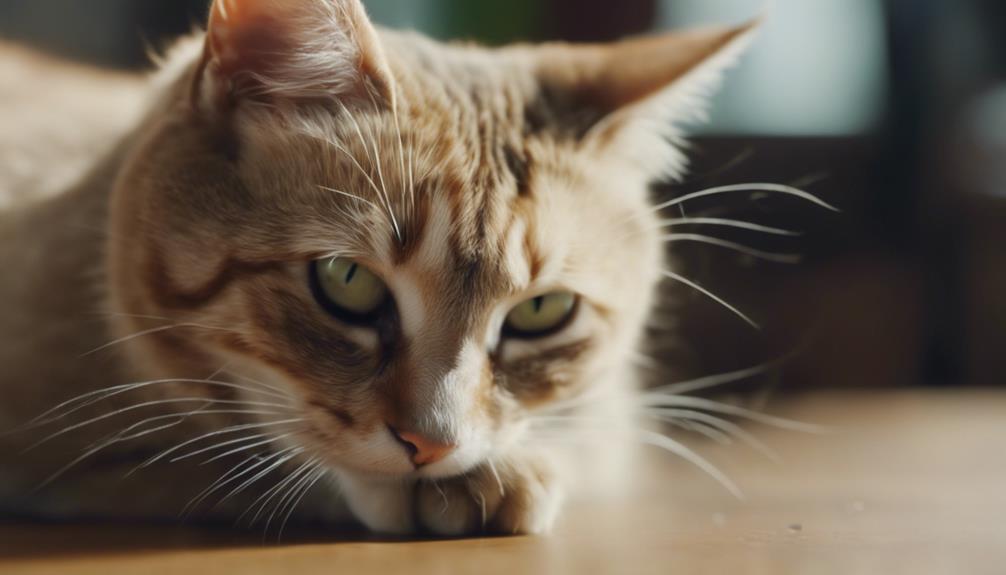
Scent marking behavior in cats is a fundamental aspect of their communication and territorial behavior. Cats possess scent glands on their cheeks, chin, head, and tail, allowing them to mark territory by rubbing against objects. This behavior communicates information about the cat's status and helps establish familiar surroundings.
Cheek rubbing is a sign of comfort and happiness in cats, showing affection towards both animate and inanimate objects.
Communication Through Rubbing
Cats utilize rubbing behavior as a form of communication to convey messages, establish connections, and navigate their social environment.
- Rubbing helps cats exchange information and gather details about their environment.
- It is a way for cats to express affection, greet others, and establish social bonds.
- Rubbing against objects or people can indicate a cat's needs or desires.
- Through rubbing, cats create a communal scent for group identification and social hierarchy.
Territorial Instincts of Cats
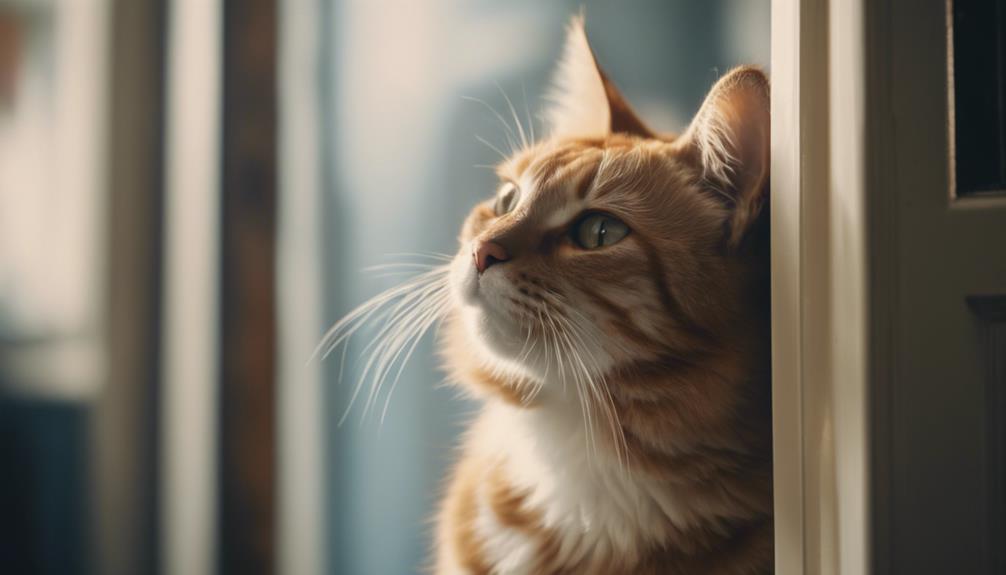
Demonstrating their innate territorial instincts, felines assert ownership and familiarity by rubbing against various surfaces to mark their environment with scent. Cats use scent from facial glands to mark territory, communicate presence, and reduce stress.
This behavior is a natural way for cats to establish boundaries and express security. By leaving their scent on objects, cats create a familiar and comforting environment for themselves and signal their presence to other animals.
Emotional Significance of Rubbing
A cat's act of rubbing against objects conveys a deep emotional significance that reflects their sense of comfort and security in their familiar surroundings.
- It helps cats release pheromones to mark territory.
- Rubbing signifies emotional states like contentment.
- Provides comfort and security for the cat.
- It is a natural instinct passed down from mother cats to kittens.
Natural Instincts Behind Rubbing
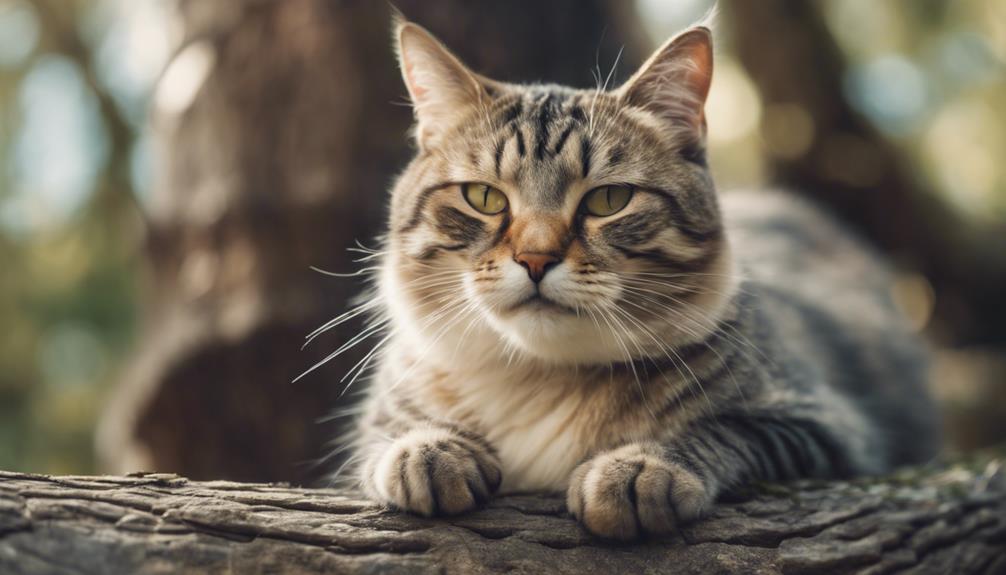
What innate biological mechanisms drive felines to engage in the behavior of rubbing against objects?
Cats rub their face on things to release pheromones from scent glands, marking territory and showing affection. This behavior is important for communication, as cats use scent to convey information and interact with their surroundings.