Why Does My Cat Try To Bury Her Food


Cats try to bury their food due to natural instincts inherited from wild ancestors. This burying behavior is a genetic predisposition that serves as a survival strategy and a way to protect their territory. By hiding or covering their food, cats mimic caching behavior to keep it fresh and safe for later consumption. Burying food also conceals its scent, aiding in hunting and avoiding detection. Contrary to dislike, burying food is a means of safeguarding it. Understanding these instincts can help pet owners decipher their cats' behaviors better. Further insights reveal the depth of cats' natural instincts.
Natural Instincts of Cats
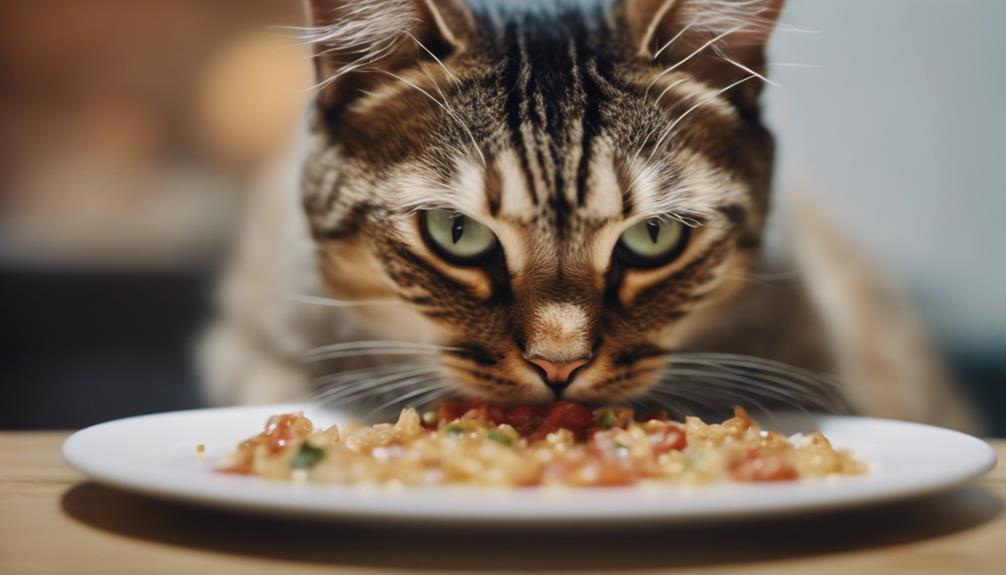
Indisputably, cats' natural instincts play a pivotal role in shaping their behavior, including the peculiar habit of burying their food.
This burying behavior stems from their wild instincts, where in the wild, cats would hide their food to protect their territory from other predators.
It is a genetic predisposition rather than a learned behavior, essential for their survival and reflective of their innate need for territorial protection.
Hiding Food for Later Consumption
Hiding food for later consumption is a natural behavior observed in cats, reflecting their instinctual tendency to mimic the caching behavior of their wild ancestors. This behavior allows cats to protect their food, keeping it fresh and safe from other animals. Below is a table illustrating how cats typically bury or cover their food in a bowl or food dish.
| Behavior | Description | Purpose |
|---|---|---|
| Burying | Covering food with objects or litter | Protecting and saving food for later consumption |
Concealing Scent of Food
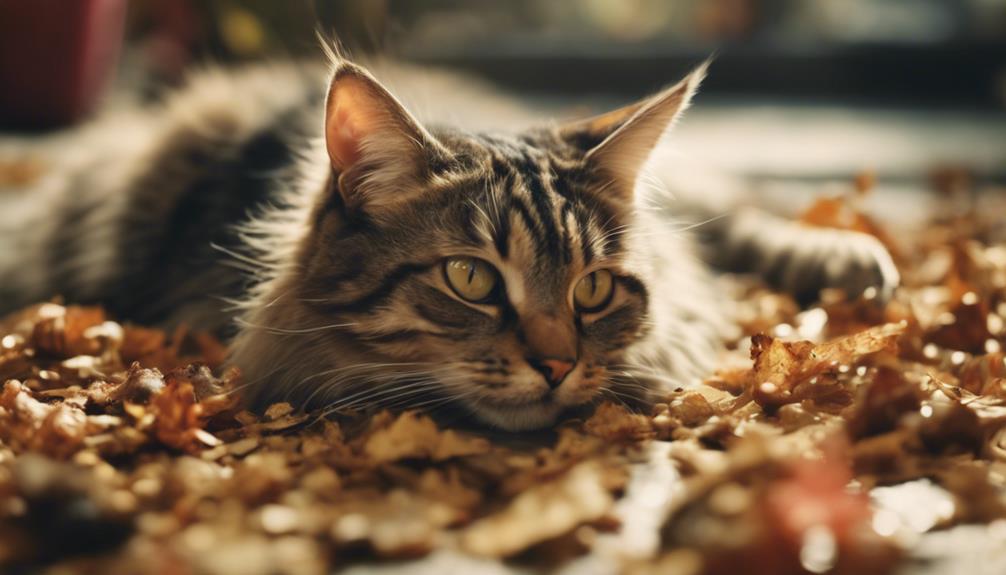
Burying food allows cats to cover the scent naturally, a behavior deeply ingrained in their instincts.
By concealing the smell of their food, cats can effectively camouflage their presence, aiding in hunting and avoiding detection by potential threats.
This strategic approach also helps cats store food for later consumption without drawing unwanted attention, ensuring their survival in the wild.
Covering Scent Naturally
How do wild cats naturally mask the scent of their food to enhance their hunting success?
Cat burying behavior is a survival instinct where they cover their food to conceal scent.
This natural behavior helps wild cats avoid attracting predators or competitors while hunting effectively.
Instinctual Behavior Explained
In the domain of feline behavior, the instinctual act of concealing the scent of food serves as a strategic survival mechanism for wild cats. This burying behavior helps protect cat food sources and prevents detection by potential threats. By hiding the scent of their prey, cats can avoid predators and enhance their hunting effectiveness, showcasing the deep-rooted survival instinct and wild instincts of these fascinating animals.
| Instinctual Behavior |
|---|
| Burying Food |
| Survival Instinct |
| Concealing Scent |
| Wild Instincts |
| Cat Food |
Camouflaging for Later
Camouflaging food through concealing its scent is a strategic behavior deeply ingrained in the survival instincts of cats, particularly in the context of protecting their food sources in the wild.
Food Dislike Vs. Burying Behavior
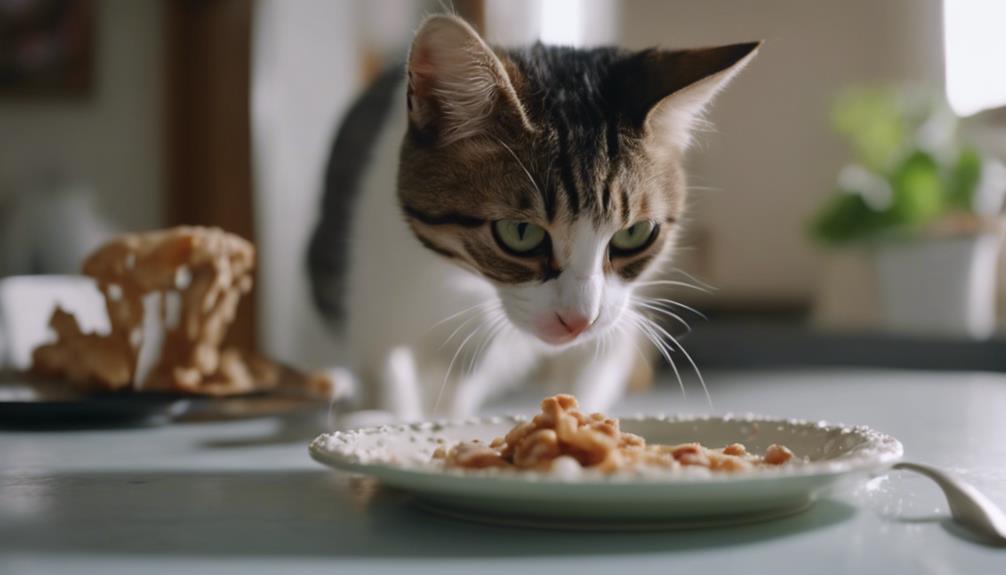
When considering the behavior of burying food, cats may exhibit this action not solely out of food dislike but also as a means of safeguarding their resources. While some cats bury food they dislike, others do it as a protective behavior.
Monitoring eating habits can help distinguish between dislike vs. burying for later consumption. Cat pawing at food may signal dissatisfaction, but not all burying is due to dislike.
Preventing Other Pets From Eating
Cats who exhibit food guarding techniques may benefit from feeding time strategies that involve separate feeding areas for each pet. By allocating specific meal spots, pet owners can minimize conflicts and guarantee that each animal has access to their designated food.
Implementing controlled feeding practices can help prevent other pets from eating a cat's food, promoting a harmonious feeding environment within the household.
Food Guarding Techniques
Food protection strategies, such as burying their meals, are common behaviors displayed by cats to safeguard their food from other household pets. Cats may exhibit food guarding techniques to establish and protect their territory, prevent conflicts, and guarantee harmonious meal times. Understanding these behaviors can help pet owners manage competition for resources among pets effectively. Below is a table illustrating food guarding techniques in cats:
| Food Guarding Techniques | Description | Purpose |
|---|---|---|
| Burying Food | Covering food with litter | Protecting territory |
Feeding Time Strategies
Understanding the dynamics of mealtime interactions among multiple pets in a household is key to establishing peaceful feeding time strategies.
Cats may bury their food in the bowl, hiding it to prevent other pets from accessing it. This burying or caching behavior can be a way for cats to safeguard their portion and avoid sharing, reducing stress and competition during feeding.
Respecting your cat's need to hide food can promote harmony in multi-pet homes.
Separate Feeding Areas
To promote harmonious mealtime interactions among pets in a multi-pet household, establishing separate feeding areas can help prevent other animals from accessing and potentially disrupting a cat's meal.
Cats may exhibit food burying behavior due to perceived competition with other pets. Providing designated feeding spots for each pet can reduce stress and minimize the urge for food burying, maintaining peace during meal times. Owners should also be mindful of the amount and type of food given to each pet to ensure that they are receiving adequate nutrition. Additionally, creating a calm and positive feeding environment can help alleviate any anxiety that may trigger food burying behavior. Some cats may also engage in food burying as a way to ‘save’ food for later, which is a natural instinct carried over from their days as hunters. This behavior can also stem from a desire for security and comfort. Therefore, owners may wonder, “why does my cat sit and bury its food?
Addressing Burying Behavior Issues
Addressing the burying behavior issues in cats requires a thorough assessment of their environment and interactions with other pets. Understanding the reasons behind this behavior, such as stress, conflict, or neurosis, is essential for effective intervention. Scratching during food burying may indicate underlying issues that need attention. By identifying and addressing the root causes, cat owners can help manage this behavior and safeguard their pet's well-being.
| Key Points | ||
|---|---|---|
| Stress | Conflict | Neurosis |
| Intervention | Scratching | Damage |
Ensuring Cat's Health and Happiness
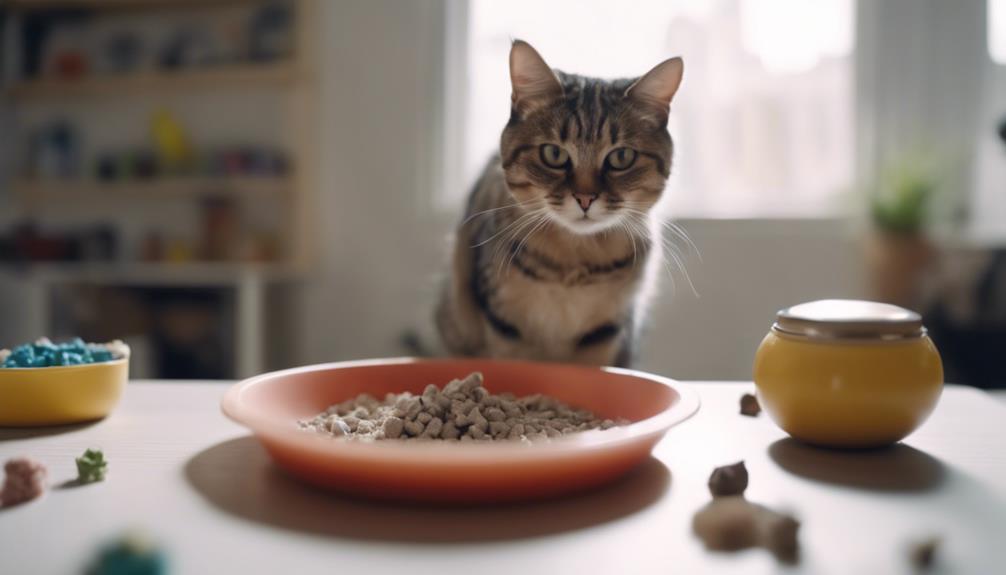
How can cat owners guarantee the health and happiness of their feline companions?
- Cats need a well-balanced diet rich in protein and natural ingredients.
- Behavior: Monitoring eating habits for sudden changes can help detect potential issues early on.
- Sense of smell: Understanding why cats try to cover or bury their food helps manage the behavior effectively.
- Pet parents: Seeking veterinary advice for concerning food-related behaviors guarantees a cat's well-being.