Why Does My Cats Water Bowl Get Slimy


A cat's water bowl may get slimy due to biofilm forming from factors like dirty bowls, cat saliva, and bowl material. Stagnant water fosters biofilm growth, posing health risks like UTIs. Bacterial growth from the cat's tongue causes sliminess and can lead to infections. Regular cleaning and changing water prevent biofilm buildup. Stainless steel or glass bowls are better choices than plastic or ceramic to resist biofilm. Weekly maintenance reduces health risks and maintains a sanitary environment. Choosing the appropriate bowl material plays an essential role in preventing harmful bacteria accumulation. Regular cleaning is vital for a healthy water bowl.
Common Reasons for Slimy Water Bowls
Slimy water bowls in cats are a common issue that often arises due to the formation of biofilm, a layer of bacteria that develops in the bowl. Factors like dirty bowls, lack of cleaning, and cats' saliva contribute to biofilm growth.
Plastic bowls are more prone to developing bacteria and slime. Regular cleaning with hot, soapy water is vital in preventing the formation of slimy biofilm in water bowls.
Impact of Stagnant Water
The presence of stagnant water in a cat's bowl not only fosters the growth of biofilm, a slimy coating of bacteria, but also poses significant health risks to feline companions.
Stagnant water provides an ideal environment for harmful bacteria to thrive, potentially leading to issues such as urinary tract infections in cats.
Regularly changing the water and cleaning the bowl can help prevent the formation of slimy biofilm.
The Role of Bacteria
Bacteria play an important role in causing the slimy buildup in your cat's water bowl. Understanding how bacterial growth leads to biofilm formation can help you implement effective hygiene practices.
Bacterial Growth Causes Sliminess
The presence of certain microorganisms originating from a cat's tongue and saliva is a key factor contributing to the formation of biofilm in cat water bowls.
This bacterial growth results in the development of a slimy biofilm, which can harbor harmful bacteria such as E. coli, listeria, and salmonella.
The buildup of this biofilm can lead to health issues like urinary tract infections and kidney problems in cats, emphasizing the importance of regular cleaning and proper hygiene practices.
Water Bowl Hygiene Tips
Regular maintenance and proper cleaning practices are essential for ensuring the hygiene of your cat's water bowl to prevent the formation of harmful biofilm caused by bacterial growth.
Bacteria, if not eliminated, can lead to the slimy coating in the water bowl. Using materials like stainless steel or glass and cleaning with hot, soapy water can help reduce the risk of biofilm in your cat water fountain.
Preventing Bacterial Buildup
To maintain essential hygiene in your cat's water bowl and prevent the formation of harmful biofilm caused by bacterial growth, it is important to understand the role bacteria play in contributing to the slimy buildup.
- Bacteria from your cat's mouth and tongue are major contributors.
- The biofilm formed contains harmful bacteria like E. coli and Listeria.
- Ceramic bowls are less prone to bacterial growth compared to plastic ones.
Understanding Biofilm Formation
Biofilm formation in a cat's water bowl is a result of bacterial colonization, including harmful strains like E. coli and Listeria. Factors such as dirty water, lack of cleaning, and a cat's saliva contribute to this slimy coating. Plastic bowls are more susceptible to biofilm, while stainless steel bowls offer more resistance.
Regular cleaning with hot, soapy water or using bleach is essential to eliminate biofilm and prevent health risks.
Effects of Pet Saliva
Cat saliva, containing enzymes and bacteria, plays a significant role in the formation of biofilm in a water bowl. The effects of pet saliva include:
- Contributing to biofilm formation
- Creating a slimy coating on the bowl's surface
- Harboring harmful bacteria like E. coli and Listeria
Regular cleaning of the water bowl is vital to prevent biofilm buildup from cat saliva.
Preventive Cleaning Measures
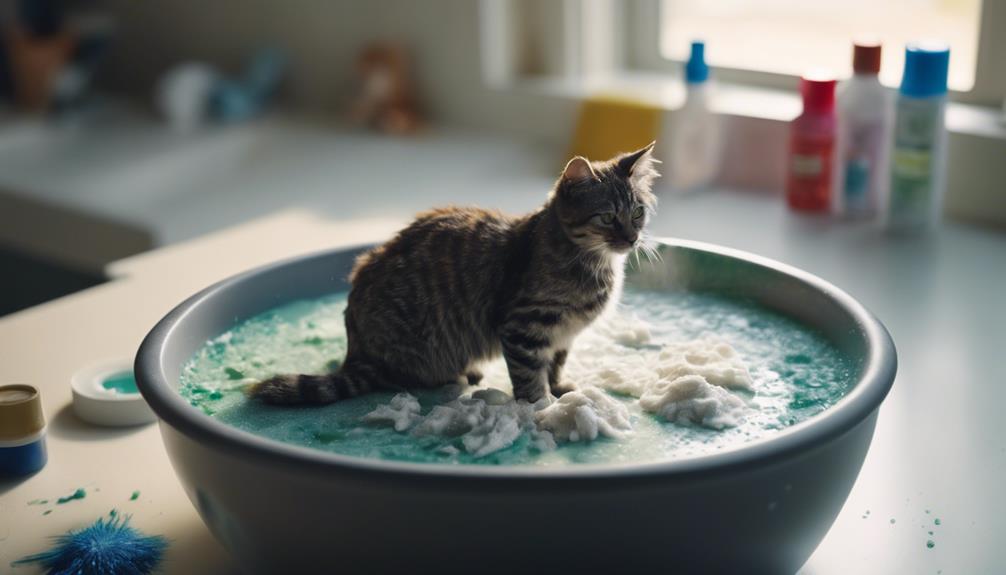
To maintain your cat's water bowl clean and free of slime, it is essential to scrub it regularly with hot, soapy water.
Additionally, changing the water daily and using a vinegar solution for periodic deep cleaning can help prevent slime buildup.
These essential cleaning measures are vital in ensuring your cat’s water remains fresh and safe for consumption. In addition to regular water changes, it is important to clean your cat’s water bowl with hot, soapy water at least once a day. This will help prevent the growth of harmful bacteria and keep the water clean and fresh for your pet. Another important aspect of maintaining your cat’s health is mixing wet and dry cat food to provide a balanced diet with proper hydration. Offer your cat a variety of food options and always ensure that fresh water is readily available.
Regular Bowl Scrubbing
Regular maintenance of your cat's water bowl through regular scrubbing with hot, soapy water is crucial to prevent slime buildup.
- Use hot water and dish detergent for hand washing.
- Wash the bowl at least once a week.
- Guarantee thorough rinsing after washing to remove soap residues.
Change Water Daily
Implementing a daily water change routine for your cat's water bowl is essential in preventing the accumulation of biofilm and maintaining a clean and healthy environment for your pet.
Fresh water discourages the growth of bacteria and slime in pet bowls. Biofilm may contain harmful bacteria, which can be ingested by your cat if the water is not changed regularly.
Use Vinegar Solution
Employing a vinegar solution is a practical method for preventing biofilm buildup in your cat's water bowl.
- Vinegar is an effective natural cleaning solution.
- It can break down slimy biofilm caused by bacteria.
- Mixing vinegar with water in a 1:1 ratio creates a potent cleaning solution.
Importance of Regular Maintenance
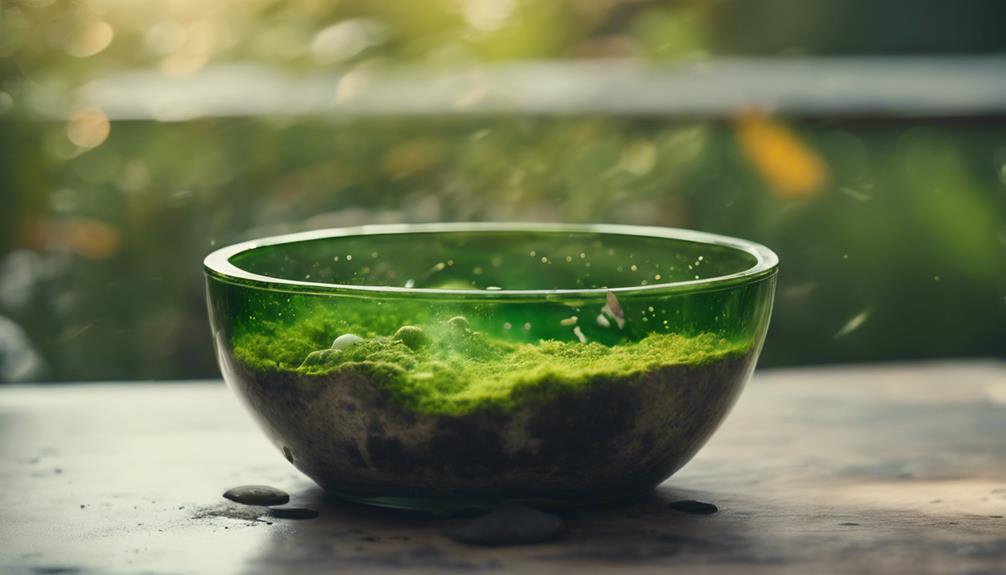
Consistent upkeep of your cat's water bowl is vital to safeguard against the accumulation of slimy biofilm, which can pose health hazards to your feline companion. Regular maintenance helps prevent harmful bacteria from thriving in the biofilm, reducing potential health risks for your cat.
Cleaning the water bowl weekly with hot, soapy water is essential to inhibit slime formation and maintain a clean, sanitary environment for your pet.
Choosing the Right Bowl Material
When selecting a water bowl for your cat, the material plays a crucial role in preventing the formation of slimy biofilm that can impact your pet's health.
- Stainless steel bowls are more resistant to biofilm.
- Glass bowls are non-porous and easy to clean.
- Ceramic bowls can breed dangerous bacteria.
Health Risks Associated With Biofilm
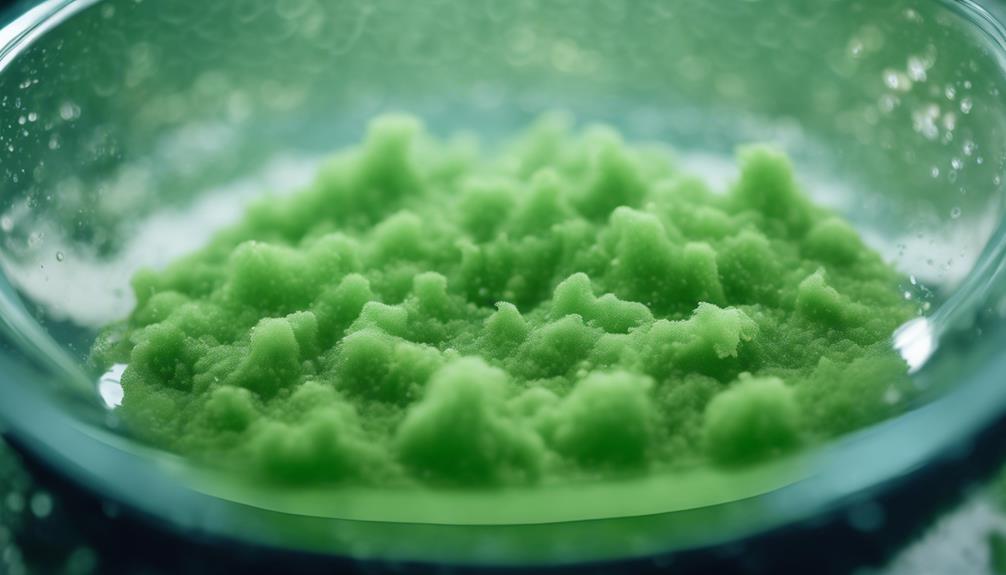
Biofilm accumulation in a cat's water bowl poses significant health risks due to the harboring of harmful bacteria strains like E. coli and Listeria.
The biofilm found in water bowls can contain bacteria that may lead to infections in cats, such as urinary tract issues and kidney problems.
It is important to clean cat water bowls regularly to prevent the development of biofilm and reduce the risk of bacterial contamination.