Why Is Cat Affectionate All Of A Sudden


Sudden cat affection may stem from changes in the home, behavioral alterations, or health concerns. Environmental shifts, like a new pet or home adjustments, can trigger affectionate behavior. Cats display affection differently due to stress, health issues, or emotional responses. Health factors such as seeking comfort during illness or odd demeanor changes can influence sudden displays of love. Understanding these factors and observing for unusual signs can help decipher your cat's affection. If you're curious about why your cat is being unusually affectionate, consider these factors that may shed light on their behavior.
Possible Triggers for Sudden Affection
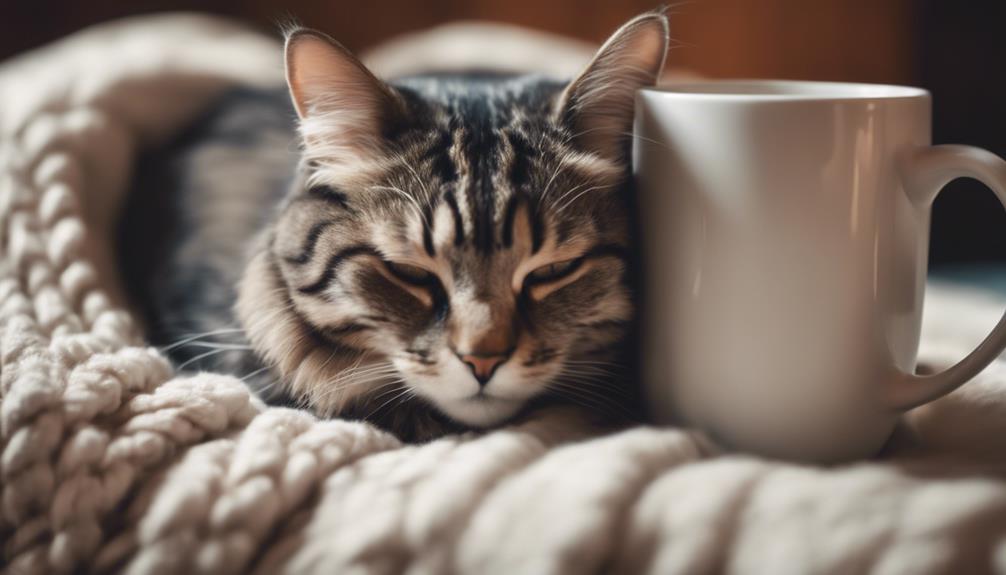
Sudden displays of affection in cats can often be attributed to various triggers within their environment and physical well-being. Changes in household dynamics, like the passing of another pet or the introduction of new family members, can lead to insecurity and jealousy, prompting increased clinginess.
Additionally, factors such as weight-loss diets, hormonal fluctuations, diet changes, and regular veterinary check-ups can all play a role in explaining sudden displays of affection in felines.
Behavioral Changes in Cats
Cats can display sudden changes in behavior due to various factors such as stress, health issues, or changes in their environment. Understanding these behavioral changes and their potential triggers is important in addressing your cat's sudden affection.
Sudden Affection Triggers
Experiencing a change in routine, such as new feeding times or play schedules, can serve as a trigger for sudden affectionate behavior in felines. Cats may become clingy due to stress, illness, or separation anxiety, seeking more attention from their owners.
Situations like moving to a new home or loud noises can also prompt cats to display increased affection all of a sudden. Underlying medical conditions, including pain from injuries, can lead to sudden behavior changes in cats.
Environmental Influences on Behavior
Alterations in the household environment can greatly impact the behavior of felines, influencing their levels of affection towards their owners. Changes in the household hierarchy, such as the passing of a pet or addition of a new member, may trigger jealousy or insecurity in cats, leading to sudden clinginess.
Additionally, hormonal fluctuations like heat cycles in unspayed female cats or lifestyle modifications, such as weight-loss diets, can also prompt increased affectionate behavior.
Health-Related Affection Changes
Changes in a cat's sudden display of affection can often serve as an indicator of underlying health issues or illness. Female cats may show changes in behavior, such as increased clinginess, when experiencing discomfort or pain. Seeking comfort and security through affection, they may indicate feeling unwell.
Veterinary consultation is essential if symptoms like lethargy or loss of appetite accompany the newfound affection.
Impact of Household Dynamics
Changes in the household hierarchy, such as the introduction of a new pet or the loss of a companion, can greatly influence a cat's sudden display of affection.
Feline behaviors like head bunting may indicate dominance shifts within the household, impacting the levels of affection a cat seeks.
Understanding these dynamics and their effects on a cat's behavior is essential in fostering a harmonious and loving relationship with your pet.
Family Changes Affect
The changing dynamics within a household can greatly influence a cat's social interactions and level of affection. Events like the passing of a pet or the addition of a new family member can impact the cat's behavior, triggering dominance behaviors and jealousy.
Competitive tendencies may arise, affecting the cat's affectionate behavior. Providing a safe space and managing attention competition can help cats adjust positively to these changes in the household.
New Pet Companionship
Shifting dynamics within a household, particularly through the introduction of a new pet companion, can greatly alter a cat's social behavior and level of affection. Cats may experience feelings of jealousy or insecurity as the social hierarchy adjusts, leading to changed affectionate behavior.
Understanding the emotional impact of new pet companionship is crucial. Providing a safe environment and fostering positive relationships can help maintain harmonious relationships among pets in the household.
Emotional Responses in Felines

Emotional responses in felines play a pivotal role in understanding sudden displays of affection from cats. Factors like trust, comfort, and security contribute to a cat's emotional well-being, leading to increased affectionate behavior.
Changes in environment or routine can trigger feline emotions, prompting sudden displays of affection. Recognizing and addressing a cat's emotional needs can help explain these behaviors, highlighting the importance of emotional well-being in understanding cats' affectionate behavior.
Health Factors Influencing Affection
Influencing a cat's display of sudden affection, underlying health issues play a significant role in understanding feline behavior. Cats may show sudden affection when seeking comfort due to illness. Changes in demeanor should prompt veterinary consultation as sudden affection could signal potential health issues requiring medical attention. Monitoring behavior for any unusual signs is vital in identifying and addressing underlying health concerns promptly.
| Health Issues | Influence Behavior | Potential Health Issues |
|---|---|---|
| Comfort-seeking due to illness | Changes in demeanor | Sudden affection signals issues |
Understanding Sudden Cat Affection

An essential aspect of feline behavior to take into account is understanding the sudden displays of affection in cats. Sudden cat affection can stem from new changes in routine, health issues, stress, or underlying medical conditions.
Observing behavior closely is key to grasping the reasons behind this sudden affection. Seeking veterinary advice is recommended to rule out any potential underlying health problems contributing to your cat’s newfound clinginess. Understanding the benefits of cat companionship can also help to understand the reasons behind your cat’s behavior. Cats often become more affectionate when they are feeling happy and secure in their environment, and they may be seeking extra attention and reassurance. In addition, spending quality time with your cat can strengthen the bond between you and provide both mental and emotional benefits of cat companionship.