Why Is Cat Chasing Their Tail


Cat chasing their tail is an important behavior observed in kittens, serving as a form of entertainment and practice for hunting skills. It aids in developing coordination and agility essential for their growth. However, tail chasing can also indicate boredom or lack of stimulation, emphasizing the need for interactive toys and playtime. Stress and anxiety triggers, skin conditions, and feline hyperesthesia syndrome may also lead to this behavior. Veterinary assistance is vital for diagnosing underlying health issues. Understanding the reasons behind tail chasing helps in providing appropriate care and ensuring the well-being of your feline companion.
Normal Tail Chasing Behavior in Kittens
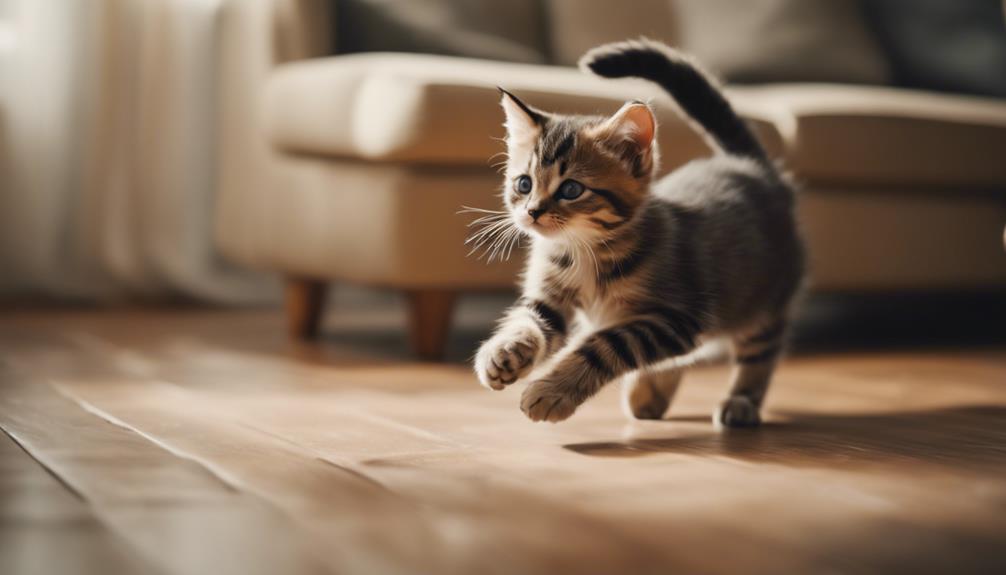
Engaging in tail chasing is a common and natural behavior exhibited by kittens during their early stages of development.
This playful behavior serves a dual purpose for kittens, acting as both a form of entertainment and a way to practice their hunting skills.
As kittens chase their tails, they enhance their coordination and agility, crucial for their growth and maturation as they evolve into adult cats.
Boredom and Lack of Stimulation
Chasing their tails can be a manifestation of boredom and lack of stimulation in cats. When felines lack environmental enrichment, they may engage in tail chasing behavior. Understanding cat tail behavior is crucial for providing appropriate stimulation and preventing boredom. Enriching their environment with interactive toys, scratching posts, and puzzle feeders can help redirect their attention and reduce tail chasing. By recognizing the signs of boredom and addressing it promptly, cat owners can promote healthier and more fulfilling lives for their feline companions.
To prevent this, interactive toys and dedicated playtime are essential. Cats require mental and physical stimulation to deter excessive tail chasing. Providing a variety of activities and toys can help keep cats entertained and prevent boredom-related tail chasing episodes.
Stress and Anxiety Triggers
Tail chasing behavior in cats can also stem from underlying stress and anxiety triggers that affect their overall well-being and behavior. Changes in the cat's environment or routine, conflicts with other pets, or lack of stimulation can lead to stress-induced tail chasing.
Cats may engage in this behavior as a coping mechanism for anxiety or unease. Identifying and addressing sources of stress is vital in reducing tail chasing in cats.
Skin Conditions and Allergies
Skin conditions and allergies are common triggers for tail chasing behavior in cats, often leading to discomfort and excessive grooming. Allergies can cause itchiness, prompting cats to chase their tails for relief.
Stud tail, resulting from overactive sebaceous glands, is another skin condition that may induce tail chasing.
Veterinary assistance is vital for diagnosing and treating tail chasing associated with skin issues, ensuring the cat's well-being.
Feline Hyperesthesia Syndrome
Feline Hyperesthesia Syndrome, also known as Rolling Skin Syndrome, is a neurological disorder that causes extreme skin sensitivity in cats. Affected cats may experience muscle spasms, vocalization, and dilated pupils.
Certain breeds have a genetic predisposition to FHS. Veterinary treatment is essential for managing FHS, which can lead to obsessive tail chasing behavior.
Understanding these symptoms and seeking professional care can help improve the quality of life for cats with FHS.
Obsessive Compulsive Tail Chasing
Exhibiting repetitive and seemingly purposeless behavior, cats may engage in obsessive-compulsive tail chasing as a manifestation of underlying stress or anxiety.
This behavior can escalate to self-injury and skin damage.
It often indicates the need for behavioral therapy and environmental enrichment to address the root cause of stress or anxiety in cats, helping them manage and eventually overcome this obsessive behavior.
Grooming and Stud Tail Concerns
Cats afflicted with stud tail may exhibit symptoms such as greasy hair, blackheads, and a lingering odor near the tail due to overactive sebaceous glands at the tail base causing excessive oil production. Veterinary intervention is essential for diagnosing and treating this skin condition.
Cats may chase their tail to relieve itchiness associated with stud tail. Pus, red bumps, and fur loss near the tail signal the presence of this issue, requiring prompt attention.
Infections and Health Issues
When tail chasing behavior is observed in felines, it may serve as an important indicator of underlying infections or health issues that warrant veterinary attention. These can include skin infections, anal gland issues, secondary infections from injuries, swelling, and other concerning symptoms.
It is vital for cat owners to seek a veterinary examination if they notice signs of infections near the tail area to guarantee proper diagnosis and treatment.
When to Seek Veterinary Help
Seeking prompt veterinary assistance is vital when noticing sudden or persistent tail chasing behavior in your cat. If an adult cat develops compulsive disorders like excessive tail chasing, a vet visit is essential to rule out underlying medical issues.
Skin damage, injuries, lethargy, appetite changes, or unusual behaviors accompanying tail chasing also warrant veterinary evaluation. Addressing these concerns early guarantees your cat's well-being and comfort.