Why Is Cat Licking Everything All Of The Sudden


Cats may start licking everything suddenly due to stress, anxiety, boredom, or health issues. Changes in the environment or routine can trigger this behavior. Licking can be a coping mechanism for negative emotions. Nutritional deficiencies and medical problems can also play a role. It's important to address stress triggers, provide mental stimulation, and rule out medical issues. Regular veterinary check-ups help guarantee a cat's well-being. Understanding the reasons behind sudden licking behavior is essential for proper care and management. Further insights into managing and preventing this behavior can provide valuable guidance for cat owners.
Behavioral Causes of Excessive Licking
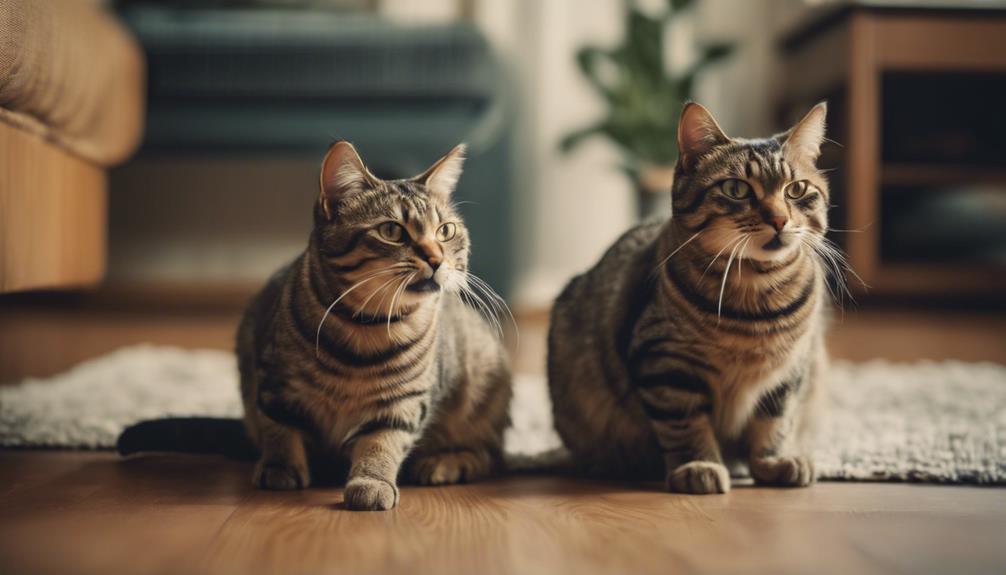
Exhibiting excessive licking behavior, cats may be signaling underlying stress, anxiety, or boredom through this repetitive action. Changes in their environment or routine can trigger sudden bouts of licking everything.
This behavior can lead to hair loss, skin irritation, and potential health issues. Cats may use licking as a coping mechanism for negative emotions or discomfort.
Seeking veterinary advice is crucial to address and manage anxiety in cats exhibiting sudden excessive licking.
Stress and Anxiety Triggers
Changes in a cat's environment, routine, or exposure to new stressors can prompt sudden excessive licking behavior, often indicating underlying stress and anxiety triggers.
Stress-induced licking may occur due to separation anxiety, loud noises, or unfamiliar scents. This behavior can be a displacement tactic for coping with emotional distress.
Recognizing and addressing these stress triggers is essential in managing sudden cat licking episodes effectively.
Boredom-Related Licking Behavior

Boredom-related licking behavior in cats can occur when they lack mental stimulation or environmental enrichment. This excessive licking may serve as a way for the cat to alleviate boredom or seek attention.
Providing interactive toys and increasing playtime can help redirect this behavior and keep the cat mentally engaged.
Stress and Licking
Why do cats suddenly increase their licking behavior, especially when experiencing stress or boredom?
Stress can trigger excessive licking in cats, leading to skin irritation or hair loss. Boredom-related licking may occur when felines lack mental stimulation. Changes in a cat's environment or routine can also contribute to stress-induced licking behavior.
Providing enrichment activities, interactive toys, and seeking advice from a veterinarian can help alleviate stress-related licking problems.
Attention-Seeking Behavior
Excessive licking behavior in cats may stem from a desire for attention or relief from boredom, often manifesting as a way to seek interaction and mental stimulation. Cats may engage in attention-seeking behavior through excessive licking if they feel ignored or lack mental engagement.
Providing interactive toys, play sessions, and engaging activities can help redirect this behavior, fulfilling their need for increased interaction and mental stimulation.
Nutritional Deficiencies Impact
Nutritional deficiencies greatly influence cat behavior, particularly in their propensity for increased licking activity. Cats experiencing food allergies or lacking essential nutrients like vitamin E, zinc, or fatty acids may exhibit excessive licking behavior.
They may resort to licking non-food items to guarantee a balanced and complete diet and compensate for missing minerals.
Pet owners should monitor their cat's diet to make sure it is well-rounded, preventing abnormal licking behaviors linked to nutritional deficiencies.
Medical Issues and Licking
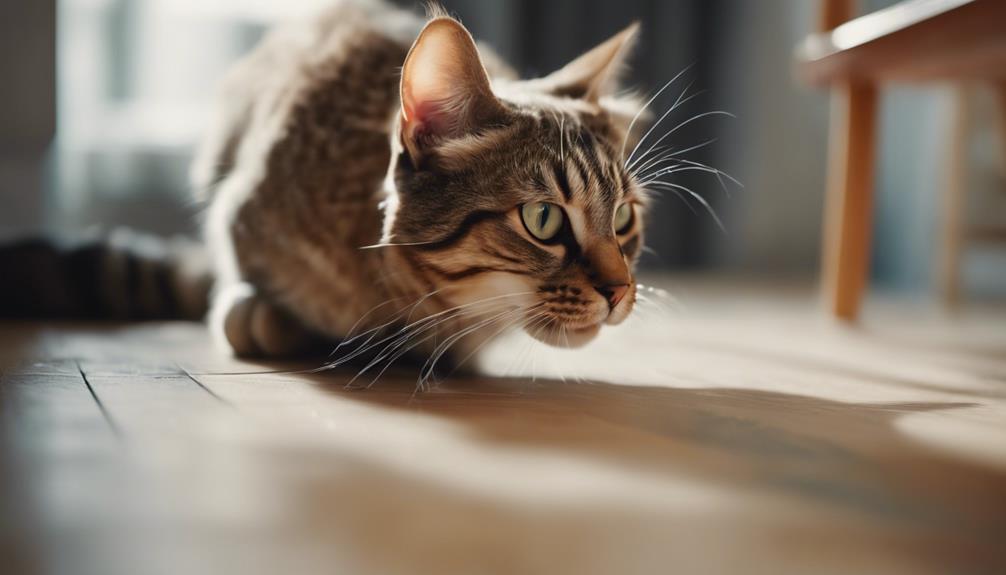
When cats exhibit increased licking behavior, it can often signal underlying medical issues that require attention. Excessive licking may result from skin irritation, localized pain, or discomfort. It can also indicate systemic problems like allergies or underlying health issues.
Parasites such as fleas and worms can lead to itching, prompting cats to lick excessively. Flea infestations may specifically cause head and ear licking, highlighting the importance of identifying the underlying cause promptly.
Coping Mechanisms Through Licking
In response to stress, anxiety, or boredom, cats may engage in licking everything suddenly as a coping mechanism.
Excessive licking can be a displacement behavior used by cats to self-soothe or alleviate negative feelings.
This sudden increase in licking behavior could indicate a need for attention, environmental changes, or underlying health issues.
It's essential to observe, intervene, and potentially consult with a veterinarian for proper evaluation when coping mechanisms through licking become excessive.
Attention-Seeking Behavior
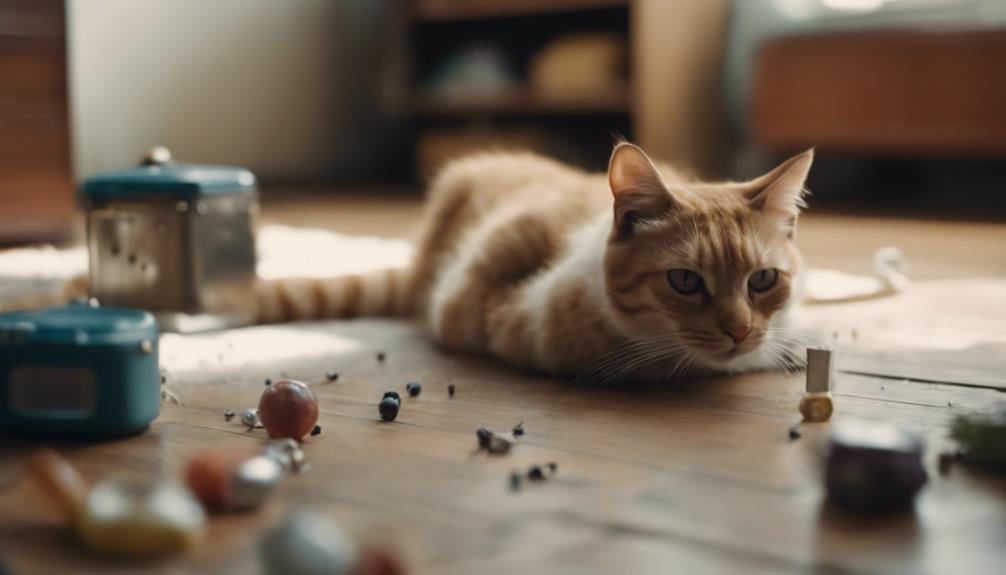
After exploring coping mechanisms through licking in response to stress, anxiety, or boredom, it is important to address attention-seeking behavior in cats, particularly when they start licking everything suddenly.
- Cats may start licking everything suddenly as a way to seek attention from their owners.
- Attention-seeking behavior through excessive licking can indicate a need for interaction or playtime.
- Sudden increase in licking may be a response to changes in the environment or routine, seeking attention as a result.
Observing Other Symptoms
When observing other symptoms in your cat's sudden licking behavior, it is important to look for any redness, bald patches, or skin irritation. These signs could indicate an underlying health issue that needs attention.
Additionally, changes in appetite, mood, or excessive grooming should be monitored closely for a thorough assessment of your cat's well-being.
Other Unusual Behaviors
Observing additional symptoms beyond excessive licking, such as increased meowing, hiding, or changes in appetite, is essential in determining the underlying cause of sudden unusual behaviors in cats.
- Increased meowing
- Hiding behavior
- Changes in appetite
These signs can provide valuable insights into the cat's well-being and help pinpoint potential reasons for sudden changes in behavior.
Potential Underlying Health Issues
Noticing additional symptoms like hair loss, skin irritation, or redness can serve as pivotal indicators of potential underlying health issues when a cat suddenly exhibits excessive licking behavior. Observing these signs alongside changes in appetite, mood, or behavior can signal a need for veterinary attention. The table below summarizes key symptoms to look out for in cats displaying excessive licking behavior as potential indicators of underlying health issues.
| Symptoms to Watch Out For | Possible Underlying Health Issues |
|---|---|
| Hair loss | Allergies, parasites, stress |
| Skin irritation | Infections, dermatitis |
| Redness | Inflammation, injury |
| Changes in behavior | Pain, anxiety, illness |
Consulting a Veterinarian
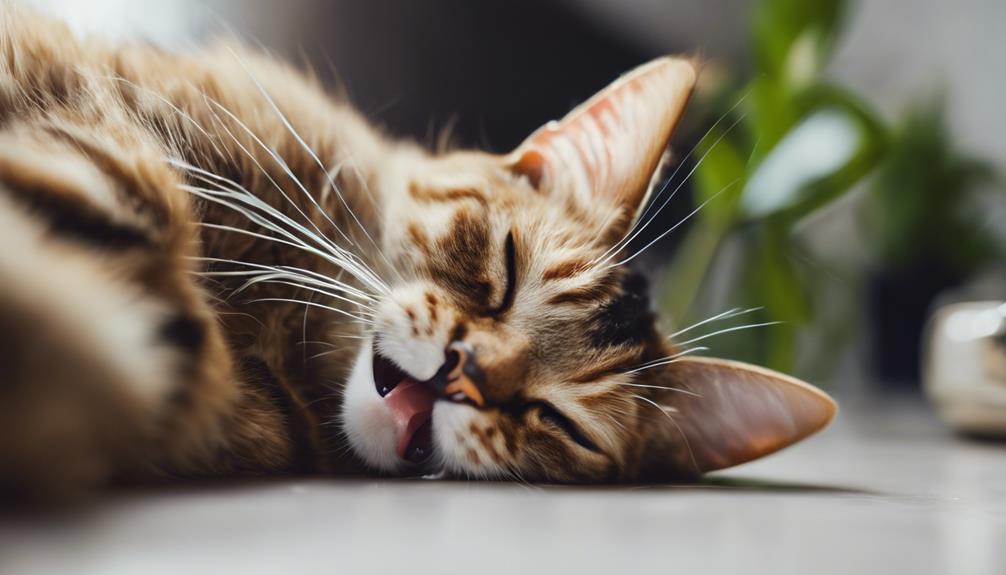
Seeking guidance from a veterinarian is essential when a sudden increase in your cat's licking behavior arises, as it can help identify any potential underlying health issues.
- Veterinarians can conduct thorough physical exams.
- They may run diagnostic tests to pinpoint the cause.
- Expert advice on health concerns, stress, or environmental triggers is provided.
Addressing Sudden Licking Behavior
When a cat begins licking everything all of a sudden, it could be a sign of possible health issues, behavioral changes, or environmental triggers. It’s important to observe the cat’s behavior closely and consider any recent changes in their routine or environment. Excessive licking can be a manifestation of stress or anxiety, or it could indicate an underlying medical condition such as allergies or skin irritation. Monitoring the frequency and patterns of the licking behavior can provide valuable insights into the cat’s overall well-being and any potential triggers for the behavior. Understanding cat behavior is essential for identifying and addressing any underlying issues that may be causing the sudden change in licking behavior.
Identifying the underlying cause is essential in addressing this sudden licking behavior. By observing the cat's surroundings and behavior, as well as seeking veterinary advice, it is possible to determine the best course of action to help the cat.
Possible Health Issues
The sudden increase in a cat's licking behavior may signal underlying health issues that require prompt attention and evaluation by a veterinarian.
- Skin allergies or infections.
- Dental problems or oral discomfort.
- Pain, gastrointestinal issues, or metabolic disorders.
It's essential to address these potential health concerns promptly to guarantee the well-being of your feline companion.
Behavioral Changes
To address a cat's sudden increase in licking behavior, understanding potential behavioral changes is essential for effectively managing and supporting the feline's well-being. Cats may start licking everything all of a sudden due to stress, anxiety, boredom, or a need for attention.
Changes in their environment or routine can trigger this behavior, and it may serve as a coping mechanism for new stressors or changes they are experiencing.
Environmental Triggers
Understanding the environmental triggers that prompt sudden licking behavior in cats is essential for deciphering and addressing the underlying reasons behind this unusual behavior.
- New scents or changes in the environment can trigger sudden licking behavior.
- Stressors like loud noises or unfamiliar objects may lead to increased licking.
- Environmental changes such as new babies, pets, or furniture can also prompt cats to lick excessively.