Why Is Cat Panting And Drooling


Cat panting and drooling in cats can indicate stress, overheating, heart or lung issues, dental problems, or respiratory distress. Stress can trigger these symptoms, and a calm environment is crucial. Overheating, especially dangerous for flat-faced breeds, can cause panting. Heart conditions like hypertrophic cardiomyopathy may lead to panting. Dental issues, including tooth decay, can result in drooling. Rapid breathing due to respiratory distress might also cause panting. If you notice excessive panting and drooling, it's important to consult a vet for proper diagnosis and treatment to safeguard your cat's well-being.
Stress as a Cause
Stress can be a significant factor leading to panting and drooling in cats, especially evident during situations like vet visits or car rides. To alleviate stress-induced panting, calming medication or techniques can be beneficial.
It's important to monitor cats for signs of excessive panting, collapse, breathing issues, or blue gums, as these indicate a vet emergency. Informing the vet about stress triggers and ensuring a calm environment during emergencies is vital for cat well-being.
Overheating and Cooling Down
Panting in cats can also occur as a response to overheating, a critical consideration for their well-being, particularly in warmer environments or for certain breeds more susceptible to heat-related issues. Cats lack sweat glands for cooling, making overheating dangerous, especially for flat-faced breeds.
The ideal temperature range for cats is 25–30°C (77–86°F). If you suspect your cat is overheating, contacting the vet is essential to prevent potential health risks.
Heart and Lung Issues
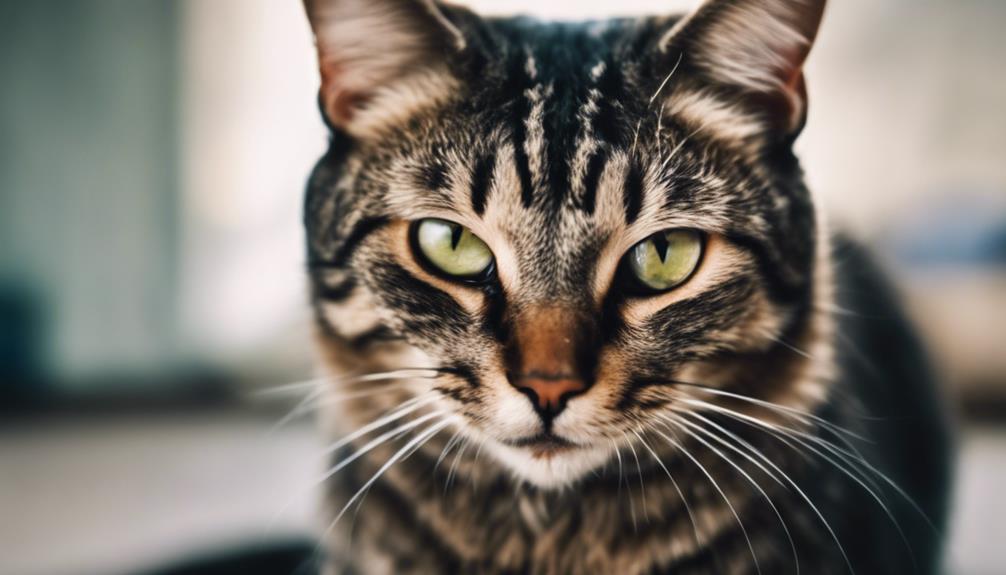
Heart and lung issues are significant concerns in cats and can manifest through symptoms like panting and drooling, signaling potential underlying health problems that require prompt veterinary evaluation.
Cats with heart conditions like hypertrophic cardiomyopathy may pant due to breathing difficulties, with fluid build-up in the lungs contributing to respiratory distress.
Immediate vet attention is essential for cats showing signs of panting, drooling, or coughing related to heart problems.
Dental Problems
Dental problems in cats can often be identified by symptoms such as excessive drooling, bad breath, and difficulties with eating. These issues may stem from tooth decay, requiring dental surgeries under anesthesia for treatment.
Additionally, dental problems can be linked to kidney disease. Blue gums may also indicate underlying dental troubles.
It's important to address these issues promptly to guarantee the overall health and well-being of your feline companion.
Respiratory Distress
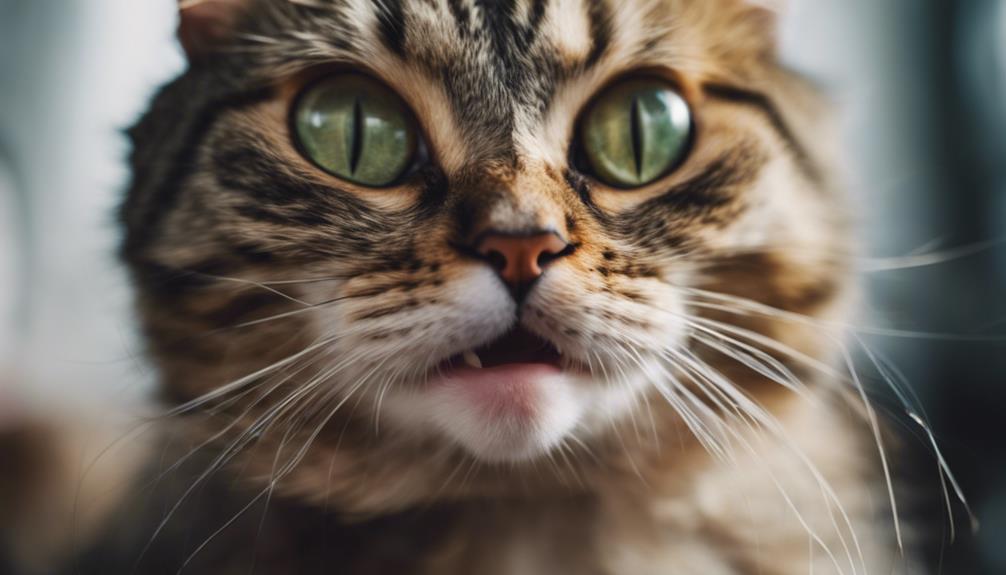
When a cat experiences respiratory distress, rapid breathing causes them to pant in an effort to take in more oxygen.
Excessive drooling may also be present as the cat struggles to breathe comfortably.
These signs can indicate a serious underlying issue that demands prompt veterinary attention to guarantee the cat’s well-being. In some cases, cats may become affectionate when they are feeling unwell or in pain, seeking comfort from their owners. This behavior could be a sign that the cat is in distress and requires medical treatment. It is important to pay attention to any changes in your cat’s behavior and seek veterinary advice if you have any concerns about their health. This is why cats become affectionate can be a crucial indicator of their overall well-being.
Rapid Breathing Causes
In cases of respiratory distress in cats, rapid breathing may be triggered by various underlying conditions such as infections, heart problems, or feline asthma. Issues in the upper respiratory tract can cause breathing problems, leading to cats panting.
If your cat is panting excessively, make sure to seek medical attention promptly as it could indicate serious heart problems or other health issues requiring urgent veterinary care.
Excessive Drooling Indicates
Exhibiting excessive drooling in cats serves as an important indicator of potential respiratory distress, signaling underlying breathing difficulties or obstructions within the airways. Cats experiencing respiratory distress may show signs like panting and drooling, particularly when struggling to breathe. This could be linked to conditions such as feline asthma or airway blockages.
Prompt veterinary attention is vital when observing these symptoms to guarantee proper evaluation and treatment.
Overexertion in Cats
How does overexertion impact cats and contribute to panting and drooling?
Overexertion, especially in hot or humid conditions, can lead to excessive panting and drooling in cats.
Panting helps regulate a cat's body temperature after intense play or exercise.
Providing a cool, quiet resting space can aid in reducing panting.
Monitoring signs of overexertion is essential to prevent potential health issues associated with this behavior.
Monitoring Panting and Drooling
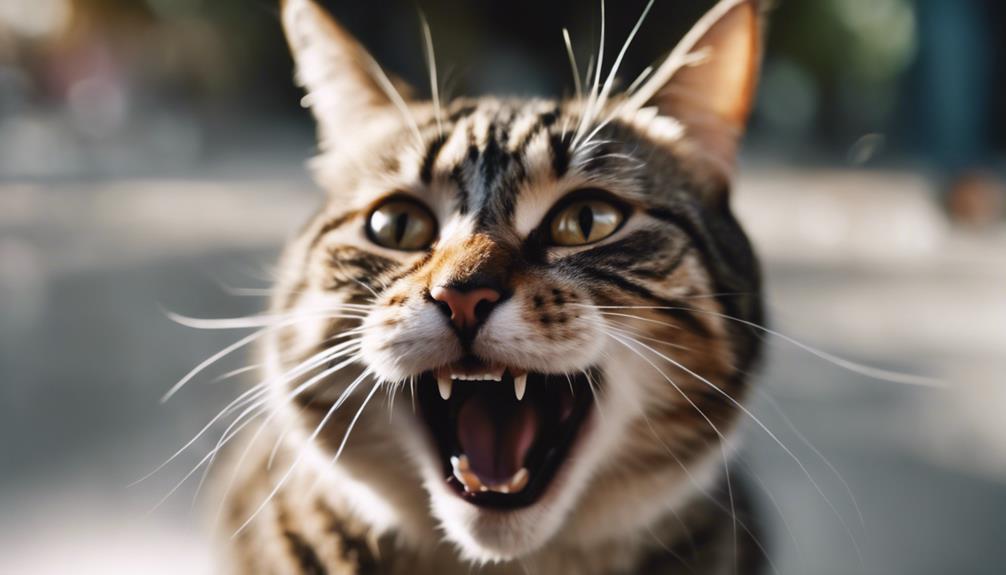
When considering the impact of overexertion on cats, monitoring panting and drooling becomes imperative due to their significance as potential indicators of underlying health issues. Panting in cats, although common in kittens after play, should not be persistent. Knowing your cats' normal behaviors helps identify abnormal signs.
If excessive panting or drooling is observed, seek veterinary care promptly to address any possible health concerns.
Seeking Veterinary Care
Seeking veterinary care promptly is essential when a cat displays signs of panting and drooling, as these symptoms can indicate underlying health issues that require immediate attention.
- Common Causes: Various health issues or stress can lead to panting and drooling.
- Stop Panting: Techniques to help calm a stressed cat may reduce panting.
- Medical Advice: If concerned, contact your vet for guidance and evaluation.