Quick Answer
Grooming works best as a routine of tiny positive sessions, not one weekly wrestling match. Short-haired cats do well with brushing at least once a week; long-haired cats generally need daily combing, especially around the armpits, belly, and between the back legs, where matts form first (International Cat Care: Grooming your cat).
- Match tools to coat: a flea comb plus bristle brush for short coats; a wide-toothed comb plus rubber mitt for long coats.
- Stop before the cat does: end each session while it is still easy, then reward — cooperation is the skill you are actually training.
- Check as you go: every brushing session is a free skin exam — lumps, flea dirt, sore spots, and over-grooming are easier to spot while your hands are already on the cat.
What Grooming Actually Does for a Cat
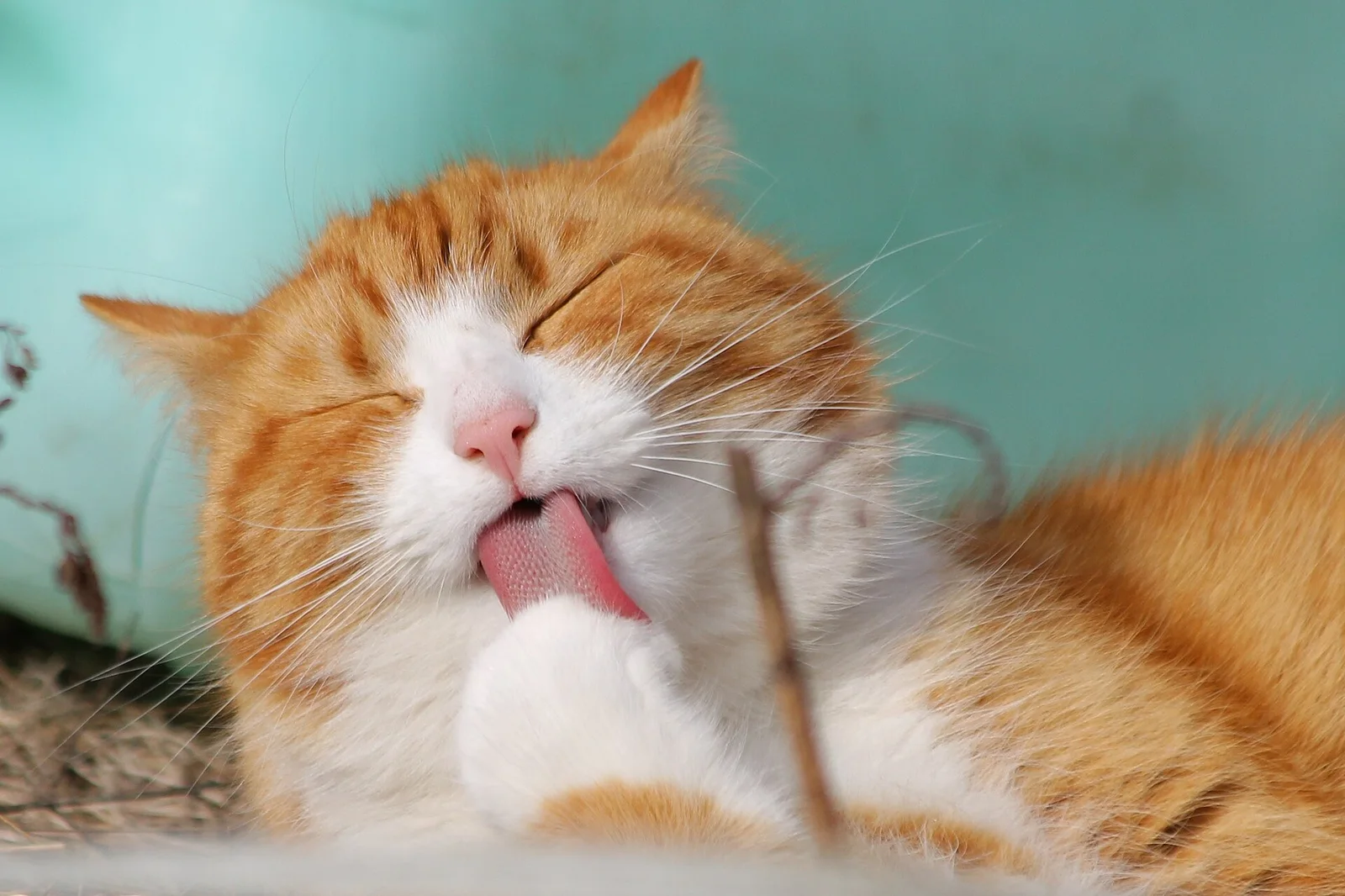
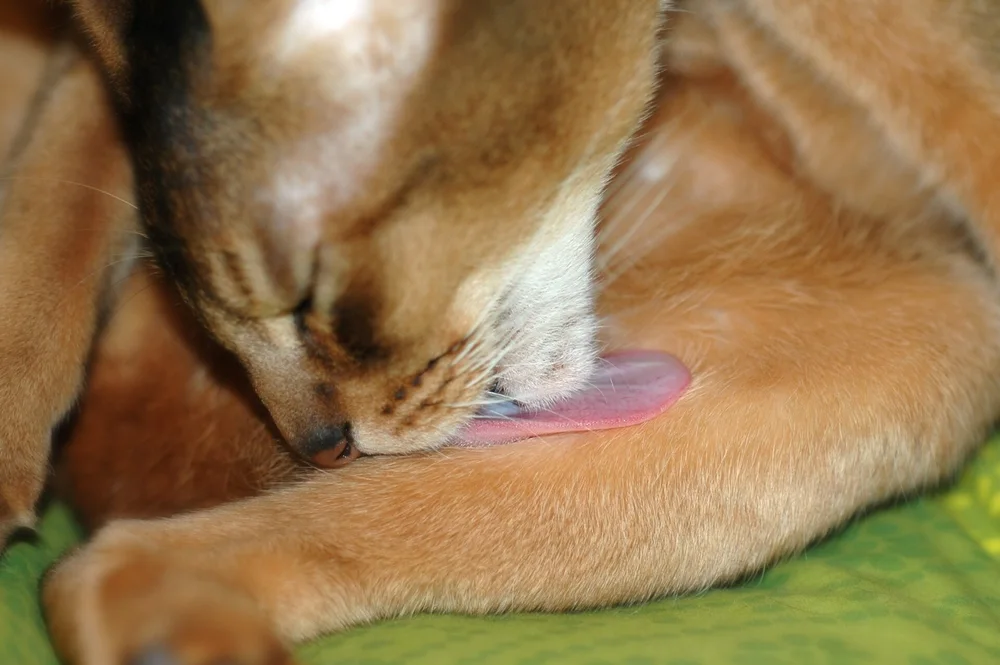
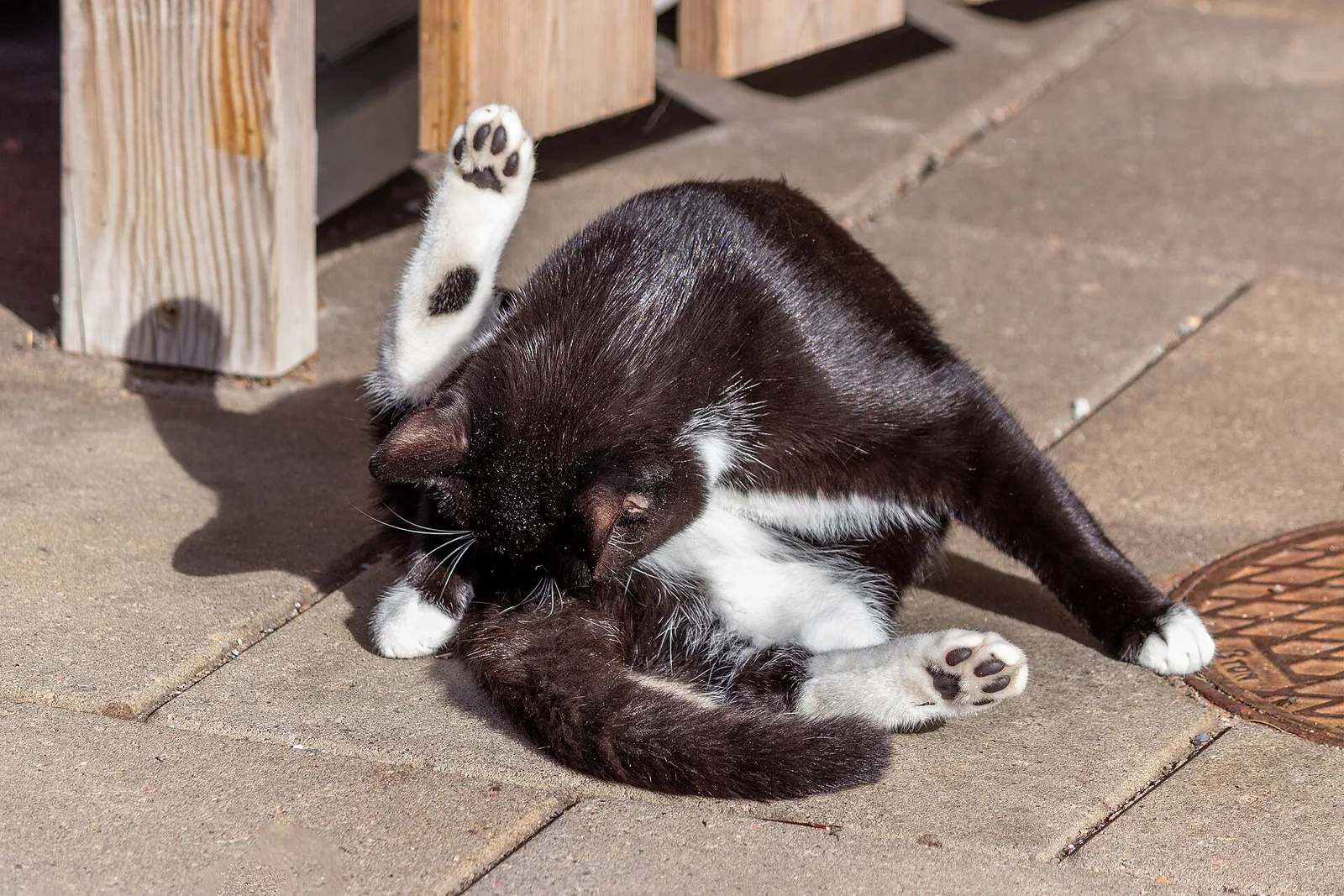
Cats spend a large part of every day maintaining their own coat — their tongue is built for it, and routine grooming spreads natural oils, removes loose hair, and helps regulate body temperature. When you brush your cat you are not replacing that behavior, you are supplementing it: you remove the loose hair they would otherwise swallow, which is exactly the hair that ends up in hairballs (iCatCare).
The second benefit is diagnostic. A cat's coat is a health dashboard: dandruff, bald patches, hot spots, lumps, and parasites all show up there first. Cats are famously good at hiding illness, so a hands-on grooming routine is often how owners notice the thing that matters weeks earlier than they otherwise would. It is also a relationship builder — done gently, brushing becomes the part of the day your cat associates with calm attention.
Brushing by Coat Type
How often you brush depends almost entirely on coat length and density. Use the table below as a starting schedule, then adjust for shedding season — most cats moult year-round to some degree, more heavily in spring and autumn.
| Coat type | Rough schedule | Core tools | Watch-outs |
|---|---|---|---|
| Short hair | At least weekly, more in shedding season | Fine flea comb, bristle brush, rubber grooming mitt | Flea dirt; dandruff; over-grooming bald patches |
| Long hair | Daily, or as close as your cat tolerates | Wide-toothed metal comb, rubber mitt | Matts at armpits, between hind legs, between toes |
| Double / dense coat | 2-3 times a week minimum | Undercoat rake, comb, mitt | Trapped undercoat; overheating; heavy hairball load |
| Ageing or arthritic cat | Little and often, wherever the cat is comfortable | Soft brush, warm damp cloth | Areas the cat can no longer reach; sore skin |
For short coats, work a flea comb or bristle brush from head to tail in the direction the hair grows. For long coats, tease small sections apart with the wide-toothed comb and work slowly — first the back, then the sides, then the sensitive armpit and leg areas. If you find a matt, work it apart from the tip toward the skin with your fingers and patience. Never cut a matt out with scissors: it is genuinely hard to tell where the hair ends and skin begins, and cuts happen. Severe, tight matts are a job for a groomer or veterinary team, sometimes under sedation (iCatCare).
Read the Cat, Not the Clock
The difference between a grooming session your cat tolerates and one it dreads is entirely in the stopping point. Cats give clear, subtle signals before they escalate. Signs to stop immediately and try again another day: skin rippling or twitching, tail swishing or thumping, sudden freezing or tension, ears flicking back, sharp head turns toward your hand, lip-licking, and — the obvious one — growling or hissing.
Watch the body, not just the mouth, when you first start a routine — our guide to understanding cat body language maps the tail, ears, and posture signals that tell you whether to continue or pause. Start with a few strokes in the areas most cats enjoy — cheeks, chin, shoulders — before touching the belly or paws, which many cats guard. If you recently adopted a kitten or a young cat, this is also the ideal training window: short daily sessions now prevent the "carpet shark" fights over grooming later in life, and pair naturally with your kitten's first-year care routine.
Nails, Teeth, and Coat Checks in the Same Session
Once brushing has become routine, you can fold the rest of the maintenance list into the same few minutes:
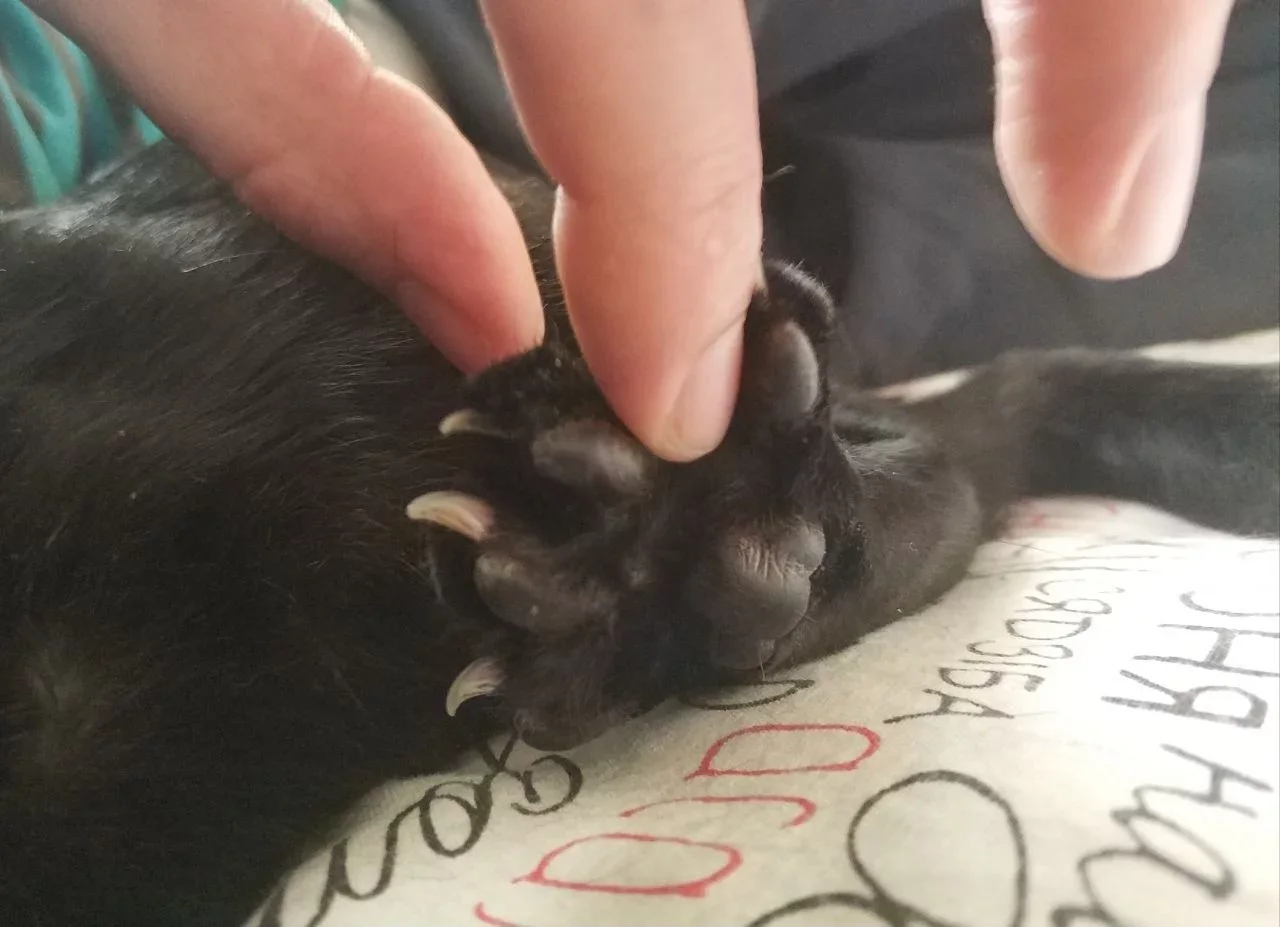
- Nails: press the toe gently and look at the claw — if it is curling toward the pad or clicking on hard floors, it is due. Clip only the clear tip, staying well clear of the pink quick; if you can hear the nail tapping the floor when walking, it has been too long. Step-by-step method in our guide to trimming cat nails calmly.
- Teeth: lift the lip and look at the gum line — redness, tartar buildup, or bad breath are worth showing your vet. Some cats accept a soft toothbrush or finger brush with cat-specific toothpaste; many do not, and that is a conversation for your clinic rather than a project to win at home.
- Coat check: run your hands along the ribs, belly, and hind legs, feeling for scabs, lumps, or tenderness — cats are extremely stoic about discomfort, so anything new is worth noting and watching. If grooming triggers hairballs in a long-haired cat, our deep dive on hairballs and vomiting explains what is routine and what is not.
Mats, greasy unkempt fur, or heavy flea dirt on a rescued or senior cat are not just cosmetic: they tell you the cat has stopped maintaining an area, which often means pain, obesity, or dental trouble. A grooming routine surfaces those findings while they are still minor observations.
When Over-Grooming Becomes the Problem
The flip side of grooming is a cat that grooms too much. Sparse, spiky-feeling patches on the belly, flanks, or inside the hind legs are the classic sign — the hair shafts left behind feel sharp and broken rather than soft. Over-grooming is rarely "a habit": the most common drivers are skin problems (flea allergy is the big one), underlying pain, and stress, and it is worth a veterinary visit rather than a wait-and-see approach (International Cat Care: Over-grooming in cats).
If you notice your cat licking, chewing, or biting at an area intensely, or finding bald spots during a grooming session, treat it as a medical sign — not a behavioral quirk — and book an appointment. Cat Cafe Central is educational and cannot diagnose your cat; contact a veterinarian promptly for sore skin, sudden coat changes, lumps, or any pain response when you touch your cat.
Common Grooming Mistakes
- One long weekly session. Most cats do better with short frequent sessions than one marathon — a two-minute daily comb beats a 20-minute battle every Sunday.
- Pulling at matts. Tugging hurts and teaches the cat to avoid the brush; tease apart gradually, work with a groomer on stubborn matts, and never use scissors near skin.
- Bathing without a reason. Healthy cats do not need routine baths — the ASPCA's guidance is that bathing is for when a cat is very dirty or gets into something sticky, not routine hygiene (ASPCA: Cat Grooming Tips).
- Skipping the check. Brushing without looking is just spreading hair around — run fingers over the whole cat and actually look at what you touch.
Trusted Sources
Related Guides and Tools
How to Trim Cat Nails Calmly, One Tiny Step at a Time
A gentle cat nail trim process using handling practice, good light, tiny sessions, and safe clipping technique.
Cat Hairballs and Vomiting: What Is Common and When to Worry
A practical guide to hairballs, vomiting red flags, brushing routines, diet conversations, and when to call a veterinarian.
Vet Care Basics for New Cat Owners: Visits, Records, and Red Flags
Understand routine veterinary care, adoption exams, records, vaccine conversations, and signs that should not wait.