How to Help a Shy Cat Settle In Without Pushing Too Hard
A gentle plan for shy cats using safe rooms, predictable visits, low-pressure play, scent, and patience.
Tag
Articles and resources connected to shy cat.
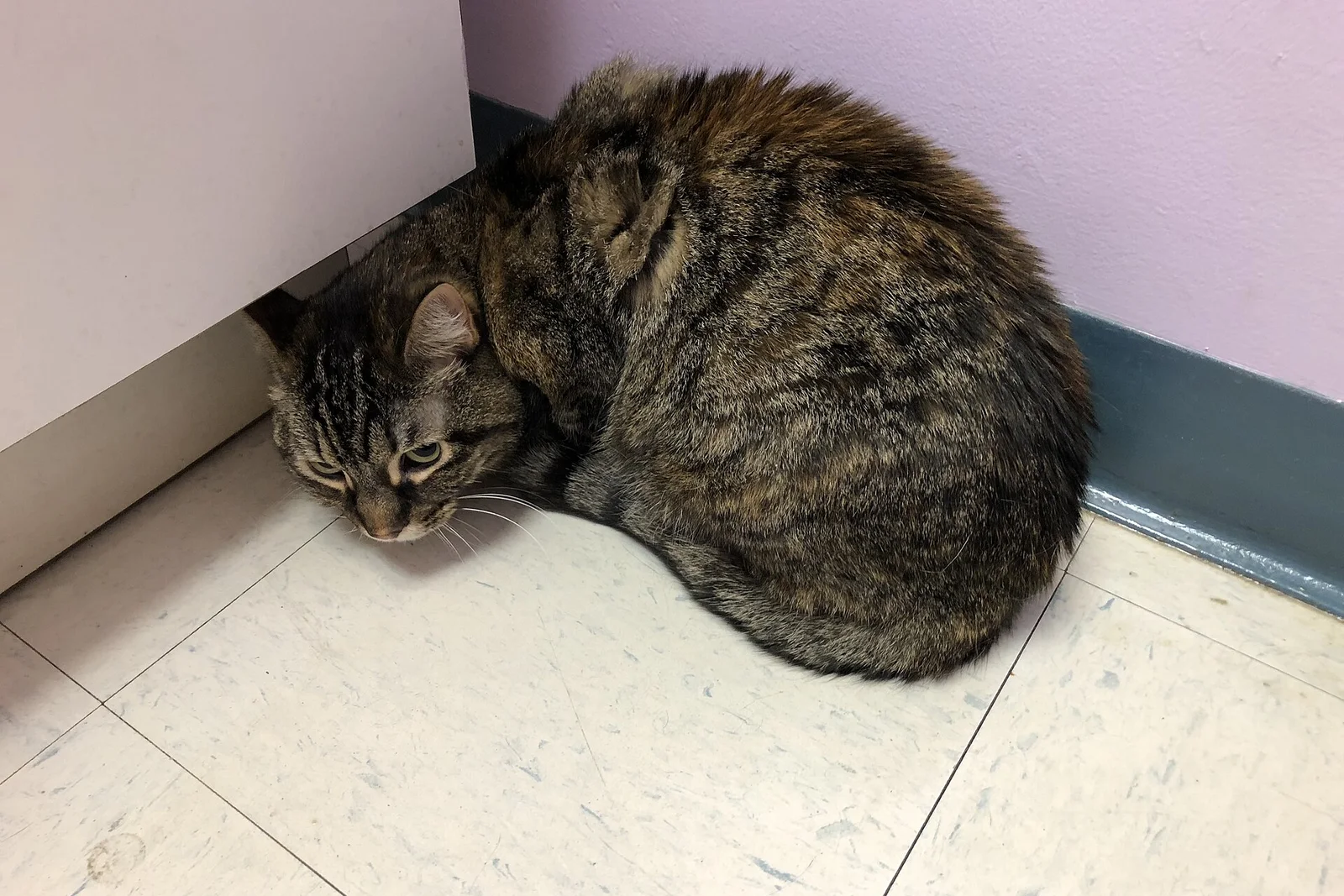
A shy cat is not a broken cat, and the fix is almost always time plus distance rather than handling. International Cat Care's settle-in guidance is unusually explicit: do not coax a hiding cat out. Sit in the same room at floor level, read or watch television, and let the cat decide when to close the distance. Offer a hand to sniff rather than reaching over the head, and let the cat initiate every interaction for the first while.
Make the room survivable in the meantime. A box on its side with a blanket inside gives the cat a refuge; elevated and hidden resting spots create a sense of privacy and safety; a pheromone diffuser helps some cats take the edge off. Expect a cat to eat and use the litter tray only at night for the first days, or even the first week or two in a very anxious cat — that is normal. What is not normal is a cat who is still not eating after a day, or one that reacts aggressively when approached, and both of those are calls to a veterinary team rather than a training plan.
See helping a shy cat settle in, hiding after adoption and the stress tag.
Source: International Cat Care — Helping your new cat or kitten settle in.
A gentle plan for shy cats using safe rooms, predictable visits, low-pressure play, scent, and patience.
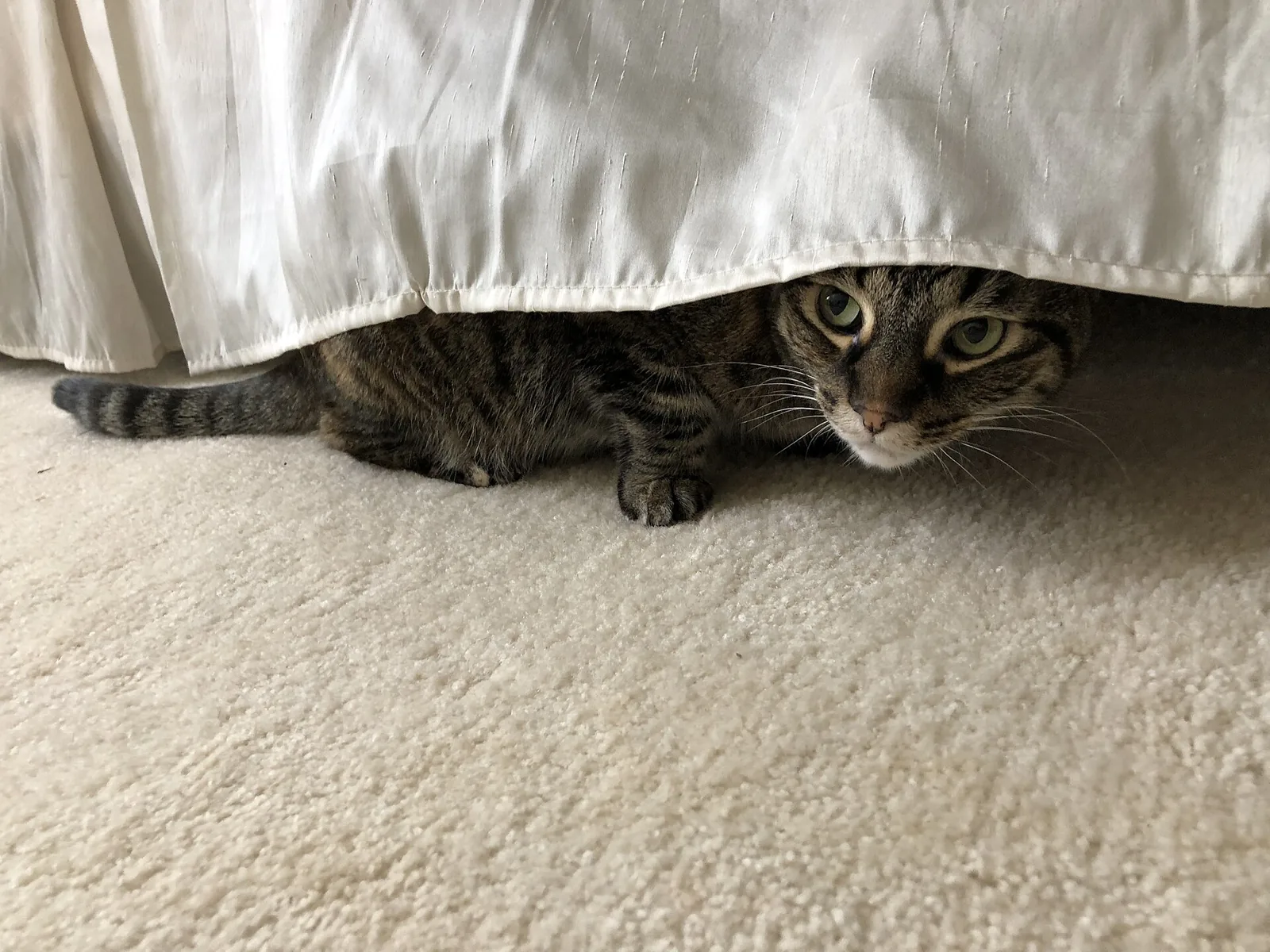
Understand normal adoption hiding, create safer hiding options, track food and litter, and know when hiding needs help.