
Quick Answer
The first year is the most important year: get kitten vaccinations and parasite control on schedule, feed a kitten-formula food in measured meals, play with your hands retired and wands in service, and keep the world small and calm while whiskers settle in. Most "kitten problems" — biting hands, wrecking curtains, 3am parties — are energy and age, not attitude (iCatCare: Cat care by life stage).
- Health first: a vet visit in the first days, then vaccines in the standard series — kittens need boosters, not one-and-done.
- Little and often: kittens have tiny stomachs and huge metabolisms — several measured meals a day, kitten formula until about a year.
- Play is homework: two or three short wand sessions a day channel hunting instincts into the toy, not your ankles.
Welcome Home: the Kitten Version
Kittens need exactly what adult cats need on arrival — a small base room, quiet, a litter tray, food, water, and hiding options — only more so, because everything in their world is new. Keep the room kitten-proofed from the start: kittens squeeze through gaps adult cats cannot, chew cords, and treat houseplants as salad (iCatCare: Helping your new cat or kitten settle in).
The first 72-hour plan applies to kittens as written — the only change is that a lone kitten will want company sooner, and a bored kitten will invent games. Plan for both: more quiet presence, and a stocked toy box. Follow the same introductions discipline with resident cats: slow scent-first introductions, never a face-to-face surprise. Our cat-proofing guide lists the room-by-room hazards worth walking before the kitten's paws hit the floor.
One adjustment matters more than any other at this age: kittens whose first days stay calm and predictable grow into more confident cats. Time spent sitting quietly in the room beats time spent entertaining — the kitten is learning that people are safe furniture, not events.
Feeding by Age: the First Year
Kittens grow fast and should be fed kitten-formula food for the energy, protein, and minerals their bodies are building with. As they age, meals stretch out and settle into a routine. Use this as the standard shape, then let your vet adjust portions for your individual kitten's growth (Cornell Feline Health Center).
| Age | Meals per day | Notes |
|---|---|---|
| 8-12 weeks | 4 | Kitten formula food; keep meals small and frequent; weigh weekly |
| 3-6 months | 3 | Rapid growth phase — expect big appetites; keep meals measured, not buffet |
| 6-12 months | 2-3 | Start settling into adult rhythm; switch to adult food around 12 months, or as your vet advises |
Two rules prevent most first-year food trouble: never let a kitten free-feed a buffet that hides appetite changes, and never switch food abruptly — transition over 7-10 days if you need to change. If the kitten stops eating, treats food as scheduled events you can monitor. Our feeding estimator gives starting portions to sanity-check against the bag's chart and your vet's advice.

Sleep, Night Zoomies, and Daily Rhythm
Kittens sleep in bursts — often two-thirds of the day — and much of their wild energy lands around dawn and dusk. You cannot legislate that away, but you can shape it: play before the last meal, then dim and calm, and the witching hours get shorter.
- Play, feed, sleep — in that order. Hunting, eating, grooming, sleeping is the natural sequence; a wand session ending in a meal sets up a nap, not a rampage.
- Ignore the pre-dawn wake-up call. Getting up to feed a yelling kitten trains the yell. A timed feeder, a quiet stuffed toy, and patience train the household schedule instead.
- Sleep safety: warm enclosed spaces are kitten magnets — check washing machines, dryers, and recliner chairs before use, and give the kitten its own secure bed in the base room.
By six months, the routine you build now — meals, play, calm nights — becomes the adult cat's operating system. Getting it boringly right early is the whole trick.
Health Care in the First Year
Kitten health care is front-loaded: more visits, more boosters, then a quiet stretch. The essentials, per Cornell Feline Health Center guidance:
- First vet visit within days of adoption — a full check, weight, and a plan. Bring any paperwork on prior vaccinations and parasite treatments.
- Core vaccines (FVRCP) start at 6-8 weeks, with boosters every 3-4 weeks until the kitten is 16-20 weeks old. A single vaccine at 8 weeks is not "done."
- Rabies vaccination at 8-12 weeks (depending on the vaccine and local law), repeated a year later — legally required in many places.
- FeLV/FIV testing when health history is unknown, plus deworming and flea/tick plans as your vet directs.
- Spay/neuter discussion around 4-6 months — timing varies by clinic; ask early rather than at first heat.
- Microchip — schedule it with one of the anesthetic visits; it is the difference between "lost cat" and "found."
Home care fills the gaps: gentle grooming and handling paws for nail trims as games, not battles, so the adult cat tolerates basic care. Keep a simple weight log — kitten weights are a major early health signal.
Common Kitten Mistakes
- Hands as toys. Every playful hand-bite is training; substitute a toy every single time.
- Skipping boosters because the kitten "seems fine." The series exists because a young immune system may not respond to one dose.
- Free-feeding indefinitely and losing the ability to notice the first sign of illness — a faltered appetite.
- Letting kittens outdoors before vaccines are complete and, ideally, not at all — indoor enrichment is safer and entirely doable.
- Punishing kitten behavior — hissing swipes and spray bottles buy fear, not teaching. Redirect, reward, repeat.
When to Call a Vet
Kittens crash faster than adults. Call your vet if a kitten stops eating, is quiet and hiding more than usual, has diarrhea or vomiting that continues, feels warm to the touch, strains in the litter tray, or seems wobbly. When in doubt with a kitten, phone — same-day attention is normal practice, not being dramatic. Cat Cafe Central is educational content and cannot diagnose or treat your cat.
Trusted Sources
Related Guides and Tools
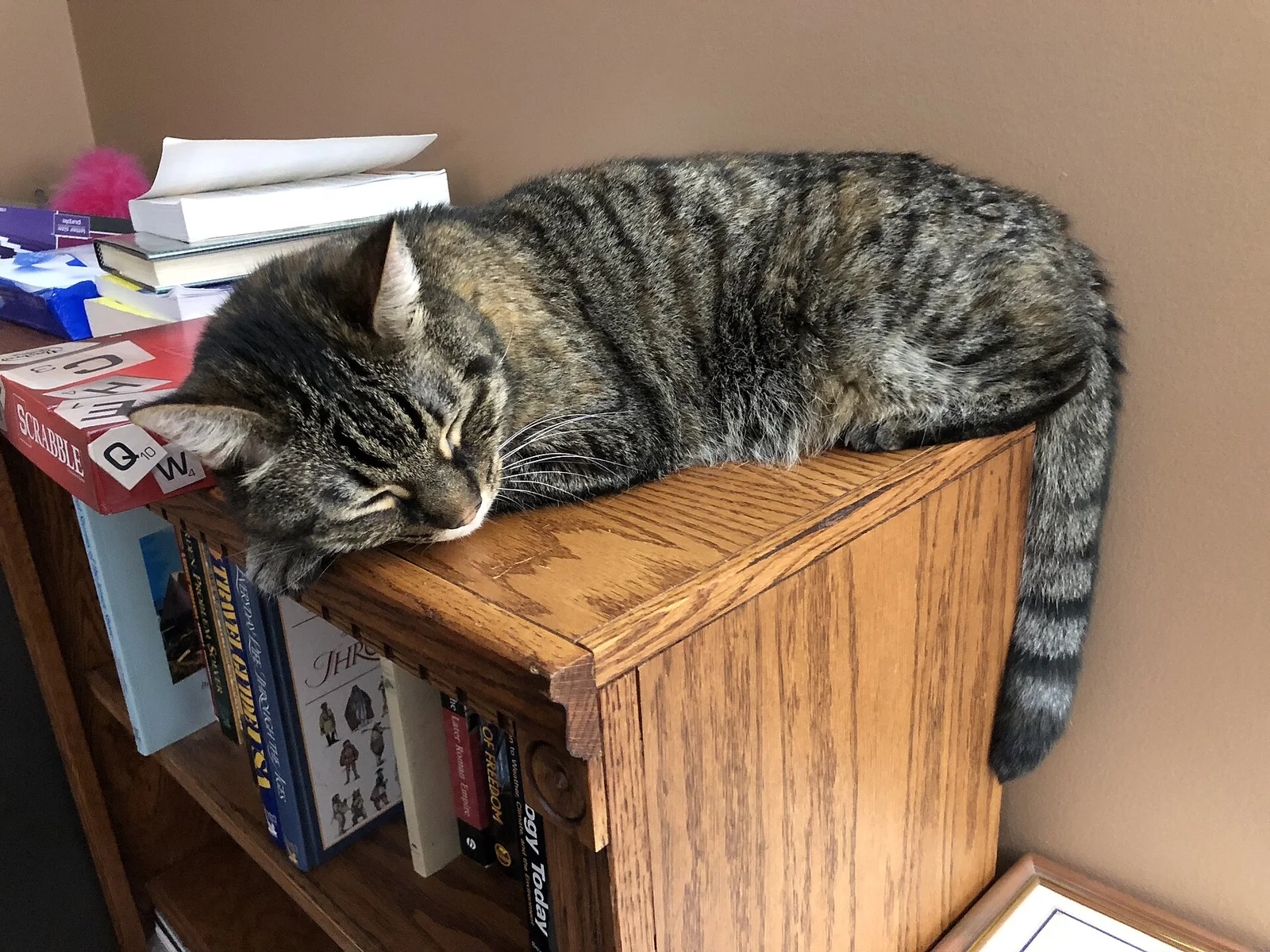
How to Cat-Proof Your Home Room by Room
A room-by-room cat-proofing guide for cords, plants, small objects, windows, cleaners, food hazards, and hiding spots.
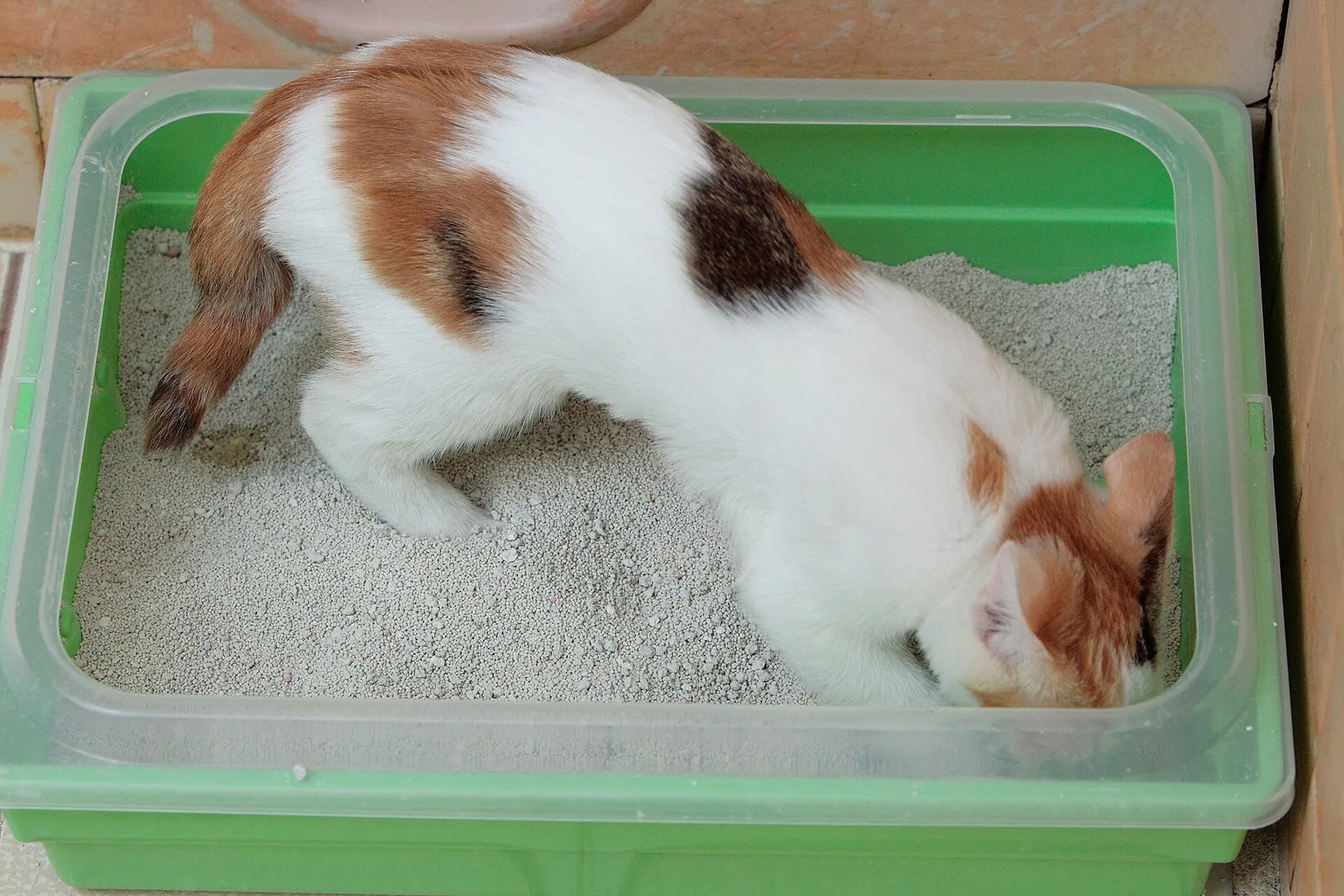
Litter Box Setup 101: Boxes, Litter, Placement, and Cleaning
Set up a litter box system cats are more likely to use: right size, right location, enough boxes, and simple cleaning habits.
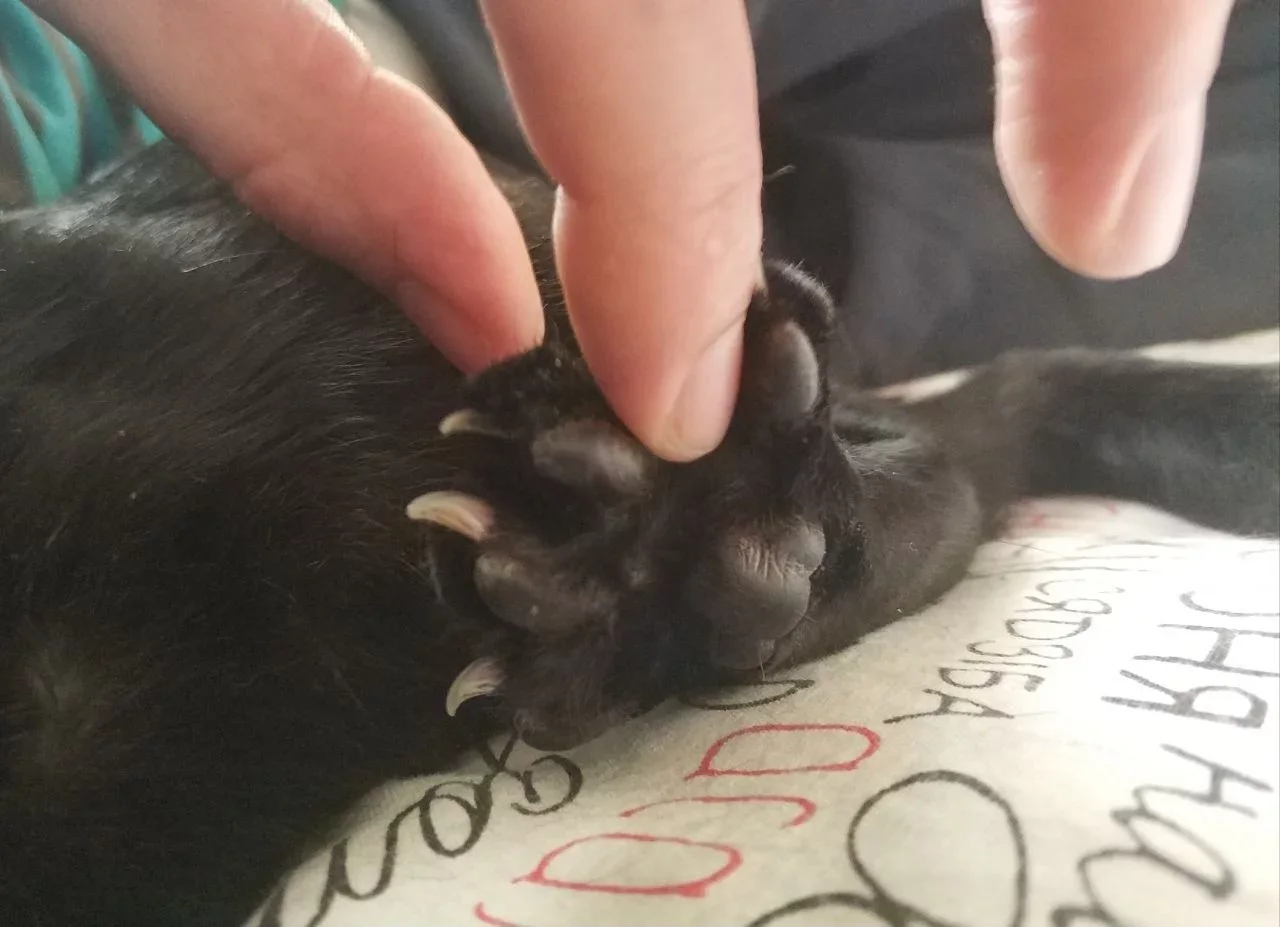
How to Trim Cat Nails Calmly, One Tiny Step at a Time
A gentle cat nail trim process using handling practice, good light, tiny sessions, and safe clipping technique.
Related glossary: Socialization, Weaning, Kitten Proofing.