Quick Answer
Feed a complete and balanced commercial food made for your cat's life stage (kitten, adult, or senior), in measured meals two or more times a day, with fresh water always available in more than one place. Wet, dry, or a mix of both can all work — the label statement matters more than the format. Treats stay under about 10% of daily calories, food changes happen slowly over a week or more, and any cat who stops eating for 24 hours sees a vet. That is the entire beginner's guide in five lines; the rest of this article is the why.
- The one label phrase to look for: "complete and balanced" for the correct life stage — it is a regulatory claim based on nutrient profiles, not marketing (ASPCA: Cat Nutrition Tips).
- Measure the food. Free-feeding is the most common route to an overweight cat; scooping by eye is the second most common.
- Water is the most important nutrient. Cats evolved to get water from prey; bowls in the wrong place (next to food or litter) get ignored.
- Treats are food too. A "few" treats can quietly become a quarter of the day's calories.
What "Complete and Balanced" Actually Means
Cat food labels are regulated, but the useful information hides behind words designed to sell. Beginner-proof your reading in three passes:
- Find the statement of nutritional adequacy. A can or bag of decent cat food says something like "complete and balanced for adult cats" or "formulated to meet the nutritional levels established for all life stages." That statement — not the front of the bag — is the food telling you it meets recognized nutrient profiles.
- Match the life stage. Kitten food until about one year, adult maintenance after, and later ask your vet about senior needs. Feeding a "for all life stages" food to an adult is fine; feeding an adult-only food to a growing kitten is not.
- Treat ingredients as clues, not verdicts. Named protein sources early in the list are a good sign, but a food can be well-formulated and unglamorous. Conversely, "premium" packaging with no adequacy statement is decoration. When in doubt, ask your vet or vet nurse — they see the outcomes of diets, not the adverts (Cornell Feline Health Center: Feeding your cat).
Wet vs. Dry: A Straight Comparison
Both formats can be complete and balanced, so the right answer depends on your cat and your routine. The differences that actually matter:
| Factor | Wet food | Dry food |
|---|---|---|
| Water content | Around 75-80% — a meaningful share of daily water intake | Around 10% — most hydration must come from drinking |
| Calorie density | Lower per gram; a satisfying portion looks bigger | High per gram; easy to over-pour, and cups crams calories |
| Cost and storage | Higher cost per calorie; open cans must be refrigerated and used within a day or two | Cheaper per calorie; a bag keeps for weeks in a sealed container |
| Dental claims | "Toothbrush" claims are overstated for both formats — only proven dental diets and brushing make the dental difference | Kibble does not scrub teeth; most of it shatters on contact |
| Best fit | Pickier eaters, cats who need more water (urinary history), weight-loss plans that need volume | Budget and convenience; cats who do well with the format; part of mixed feeding |
A mixed routine — wet meals plus a measured portion of dry, or dry in a puzzle feeder — is a common, sensible middle path. The hydration point is worth repeating: cats are naturally low drinkers, and higher water intake is associated with healthier urinary systems, so a cat who mostly eats dry food needs water sources made more attractive (see below).
How Much Should a Cat Eat?
Start with the feeding guide on the package, then adjust to the cat in front of you — guides are averages, and the only real judge is body condition. Two habits make this easy:
- Weigh the food, not the eye. A kitchen scale for a week teaches you what a correct portion looks like for your food and your cat's size. Our cat feeding estimator converts weight and life stage into a starting calorie target you can match to the label.
- Weigh the cat. A monthly weigh-in (a kitchen scale with your cat on it, or any vet clinic scale) is the earliest obesity sensor you will get. Unexplained loss of 5-10% of body weight deserves a vet call regardless of appetite.
As a reference frame: most healthy adult cats do well with two measured meals a day — some do better with three or four smaller ones. Kittens need multiple meals daily or free-choice dry until about six months, and they eat roughly two to three times the calories of an adult per kilo (International Cat Care: Feeding your cat or kitten). Our kitten's first year guide covers the schedule changes month by month.
Meals, Water, and the Setup That Matters
Feeding a cat is part nutrition and part environment. Four setup rules prevent the majority of "my cat won't eat" and "my cat won't drink" problems:
- Meals on a schedule. Predictable mealtimes lower the anxious vigilance some cats build around food, and they make appetite changes obvious early.
- Water away from food. Cats prefer to drink at stations separate from where they eat — biologically, prey and water do not mix. Place water bowls in several rooms, away from food and litter.
- Water that invites drinking. Wide, ceramic or stainless bowls filled to the brim are easier to drink from than narrow plastic cups; many cats drink more from a fountain with moving water. Refresh daily.
- Wet food timing. Leftover wet food goes off quickly — pick it up within about 30 minutes, especially in warm weather, rather than letting it sit through the day.
Homes with more than one cat add one more rule: a bowl per cat plus a spare, in separate locations. Shared bowls look peaceful and hide who is actually eating — the topic of our multi-cat feeding guide.
Treats, People Food, and the Safety List
Treats are part of the daily calorie budget: keep them to roughly 10% or less of it, and count them when you measure meals — this is non-negotiable logic whether the cat is a lean athlete or on a diet. Commercial cat treats, small pieces of plain cooked meat (no onion, garlic, or seasoning), and a spoon of plain wet food all make good rewards. The safety list matters more than the menu:
- Absolutely not: chocolate and caffeine, onion, garlic, chives (in any form — all cause red blood cell damage in cats), alcohol, xylitol, grapes and raisins (ASPCA: People foods to avoid).
- Poorly tolerated: milk and dairy — most adult cats are lactose intolerant, and "a saucer of milk" reliably produces diarrhea. Water is the cat drink.
- Raw meat, eggs, and bones: carry bacterial and choking risks; skip them as treats.
- Nothing is "a little bit fine" for the toxic list — if your cat eats any of it, call your vet or a pet poison line with the amount and your cat's weight.
Changing Foods Without Chaos
Whether you are switching brands, formats, or to a vet-recommended diet, rush it and you will meet vomiting, diarrhea, or a hunger strike. The reliable method is a layering transition: for the first two or three days, the old food makes up the large majority of each meal with a small spoon of the new; then shift the ratio gradually over seven to ten days. Slow the pace at any sign of digestive upset, and for cats on prescription diets, follow your vet's schedule exactly (full transition method here). If your cat stops eating a new food entirely, do not wait it out — a cat who stops eating has more at stake than a dog does; more than 24 hours without food is a vet call, and overweight cats are at higher risk from even short fasts.
When to Call a Vet
Contact your veterinary team if your cat refuses food for more than 24 hours, if weight loss continues for more than a couple of weeks, if vomiting or diarrhea repeats or persists, or if you notice increased drinking or urination — a classic early signal of kidney disease, diabetes, or thyroid problems. Cats hide illness well, and appetite is often the first thing that changes. Feeding plans for medical conditions (kidney disease, diabetes, allergies, urinary problems) should come from your vet, not a general guide. Cat Cafe Central is educational content and cannot diagnose or treat your cat.
Trusted Sources
Related Guides and Tools
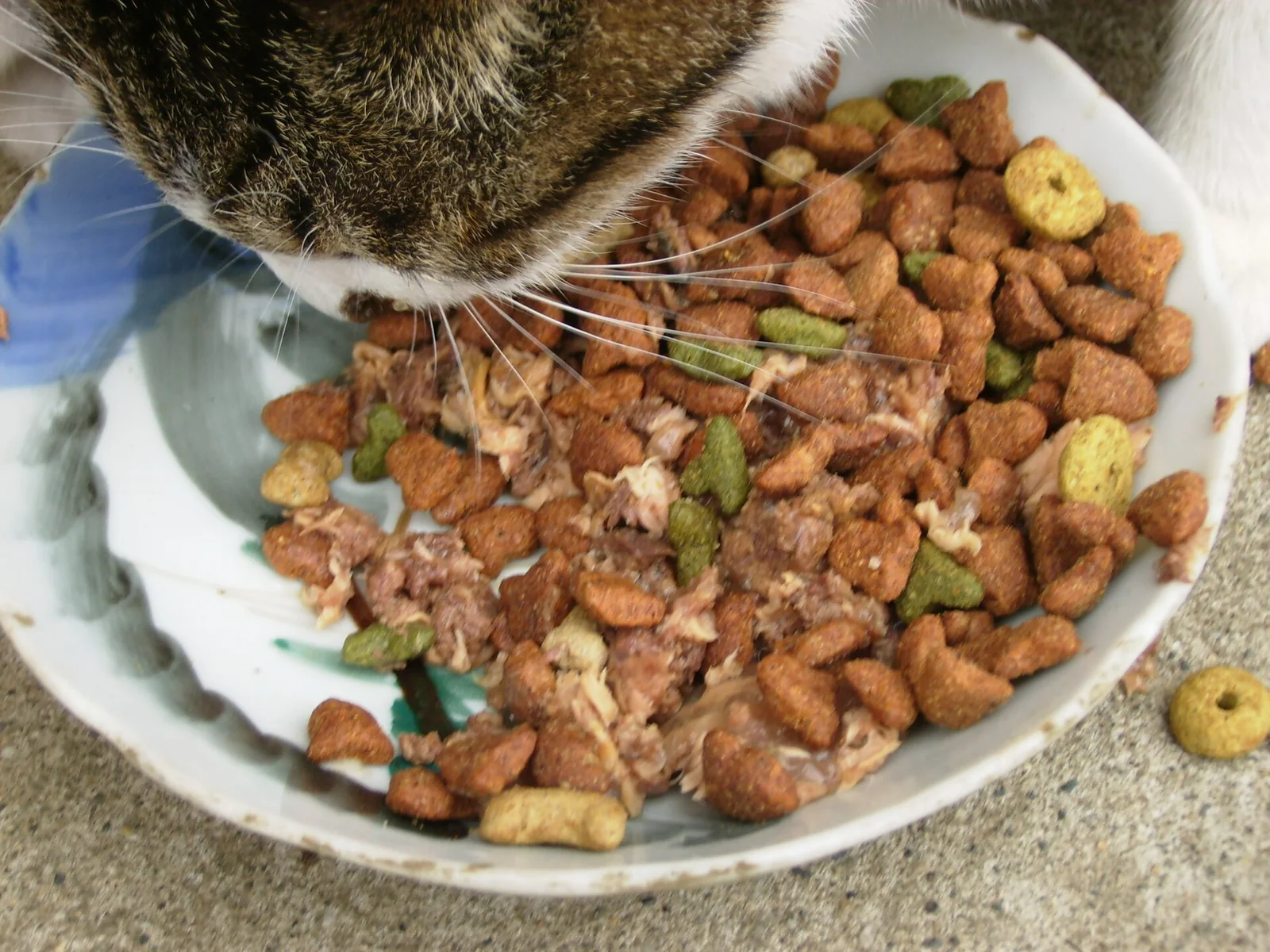
How to Transition Cat Food Without Upsetting the Routine
A gradual cat food transition plan with practical pacing, appetite checks, and what to do if your cat refuses the new food.
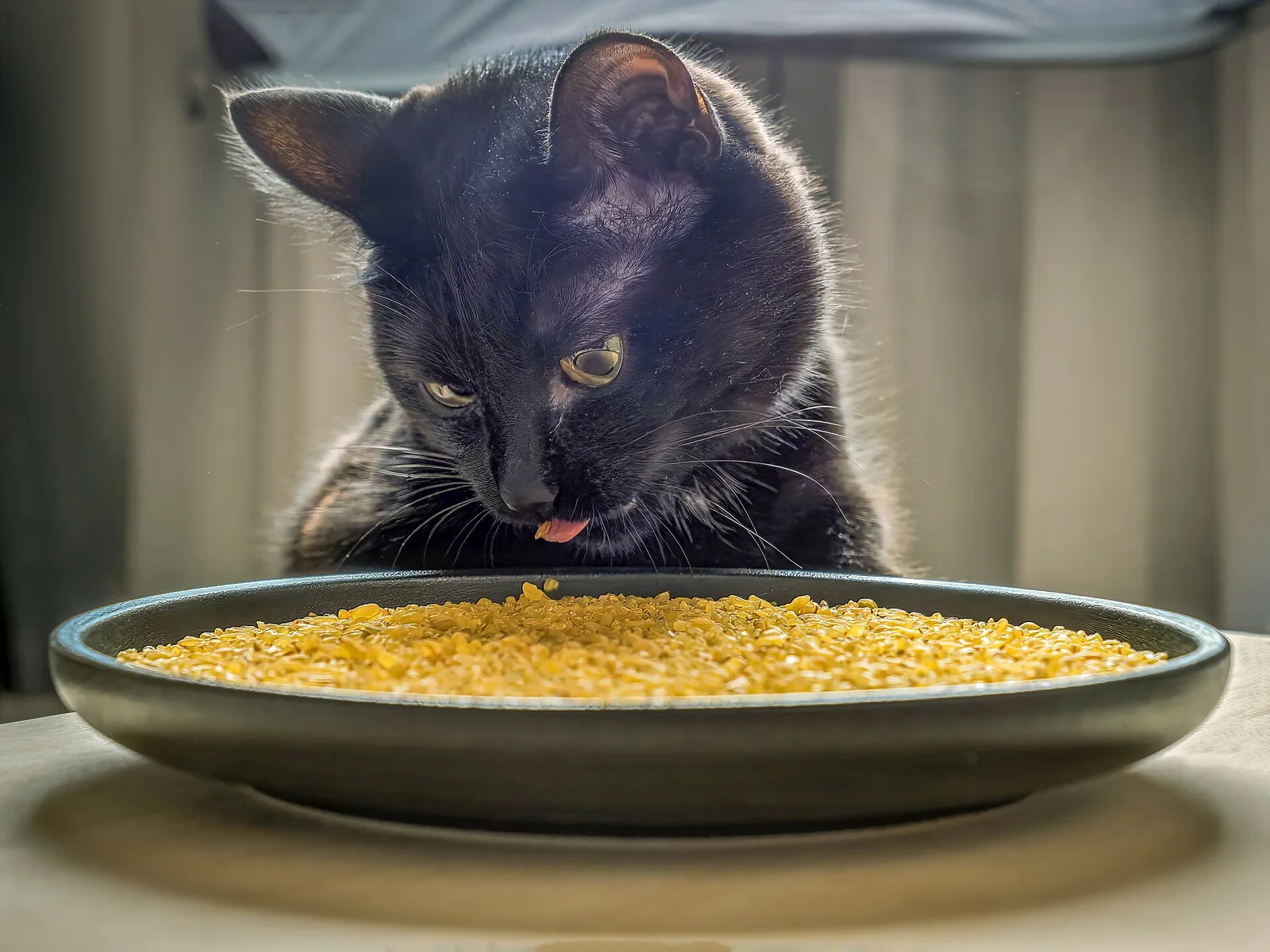
Cat Not Eating: What to Check and When to Call the Vet
A calm appetite checklist for cats who skip food, including food changes, stress, nausea signs, and urgent veterinary boundaries.
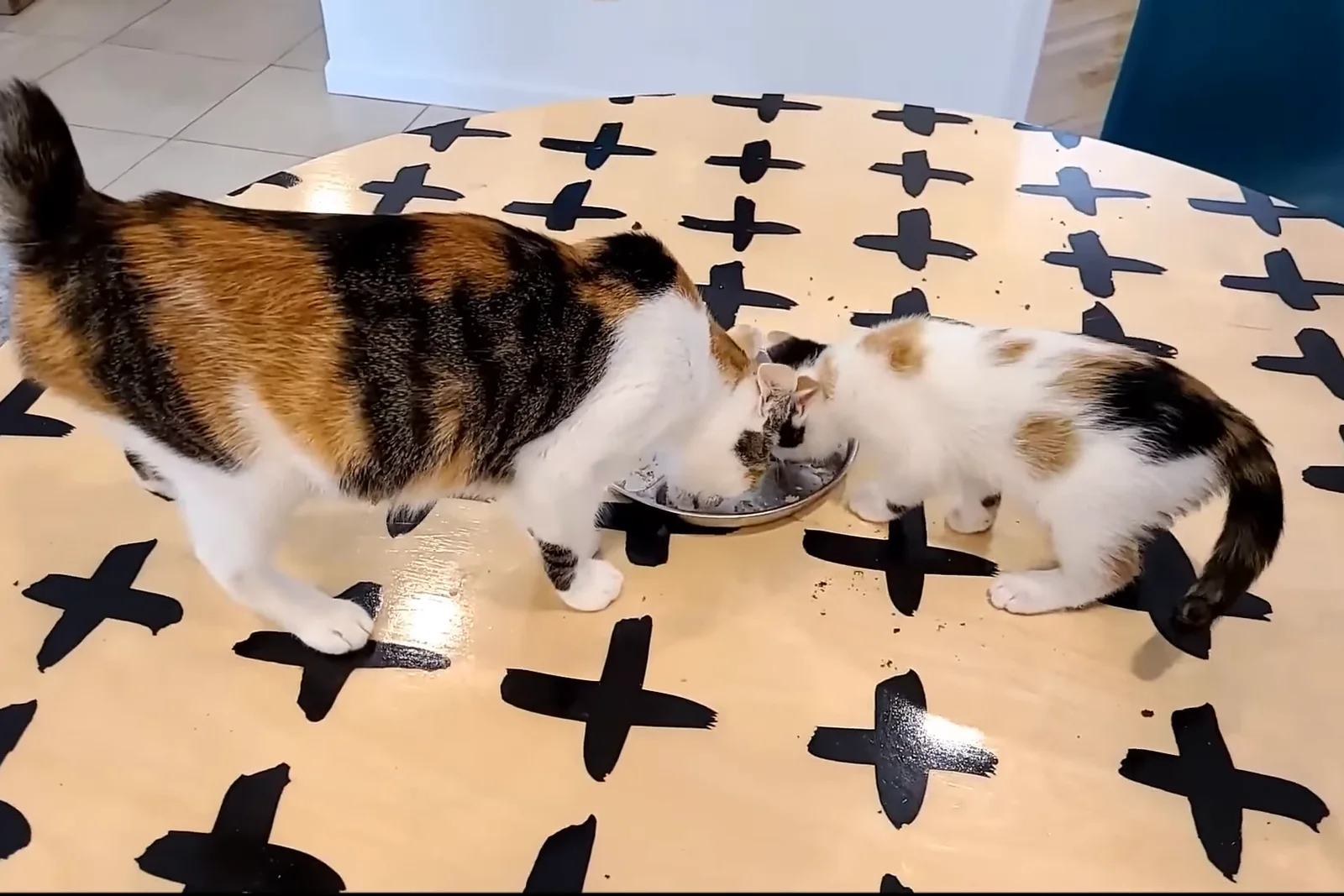
How to Manage Multi-Cat Feeding Without Mealtime Tension
Plan calmer multi-cat meals with separated stations, measured portions, observation, and individual needs.
Related glossary: Obligate Carnivore, Taurine, Body Condition Score.