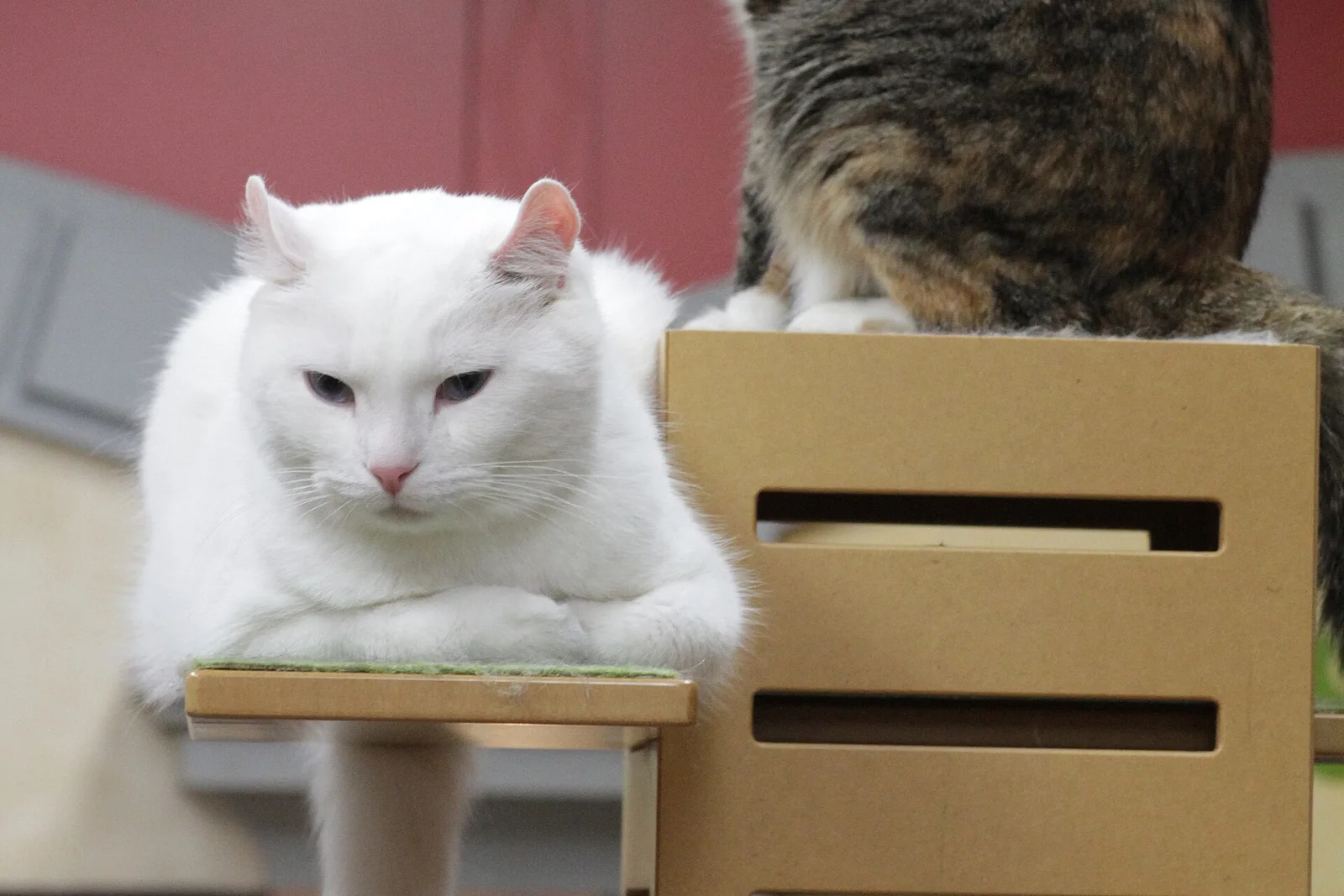
Indoor Cat Enrichment Basics: Play, Climbing, Scratching, and Choice
A practical enrichment guide for indoor cats, including play routines, food puzzles, scratchers, windows, and rest.
Tag
Articles and resources connected to scratching.
Scratching is not a behaviour problem to be trained out; it is maintenance. Cats scratch to shed the outer layer of the claw, to stretch the muscles across the shoulders and back, and to mark territory visually and by scent. The practical goal is therefore not fewer scratches — it is a better address for them.
The setup that works is boringly simple: a post or pad in the room where the cat already scratches, stable enough not to wobble, tall enough for the cat to stretch out fully against it, and sited where the cat passes it rather than in a back bedroom. Ohio State's indoor-cat checklist puts scratching next to the other resources that need a dedicated outlet — litter, resting areas, perches and toys — which is the right way to think about it. When a cat is redirected to a post that is in the wrong place, they usually go back to the sofa.
See stopping furniture scratching kindly, indoor enrichment basics and the cat-friendly home setup.
Claw health sits under this tag too. A cat that scratches a stable post sheds the outer claw sheath naturally, which is why an indoor cat with good scratching outlets tends to need less nail maintenance. If the claws look overgrown, split or are catching in fabric, the answer is trimming rather than removing the outlet — declawing is not a routine cosmetic option on a welfare basis, and the practical route is a taller post plus a calm trim routine.
Source: Ohio State Indoor Pet Initiative — Basic Indoor Cat Needs.
A practical enrichment guide for indoor cats, including play routines, food puzzles, scratchers, windows, and rest.
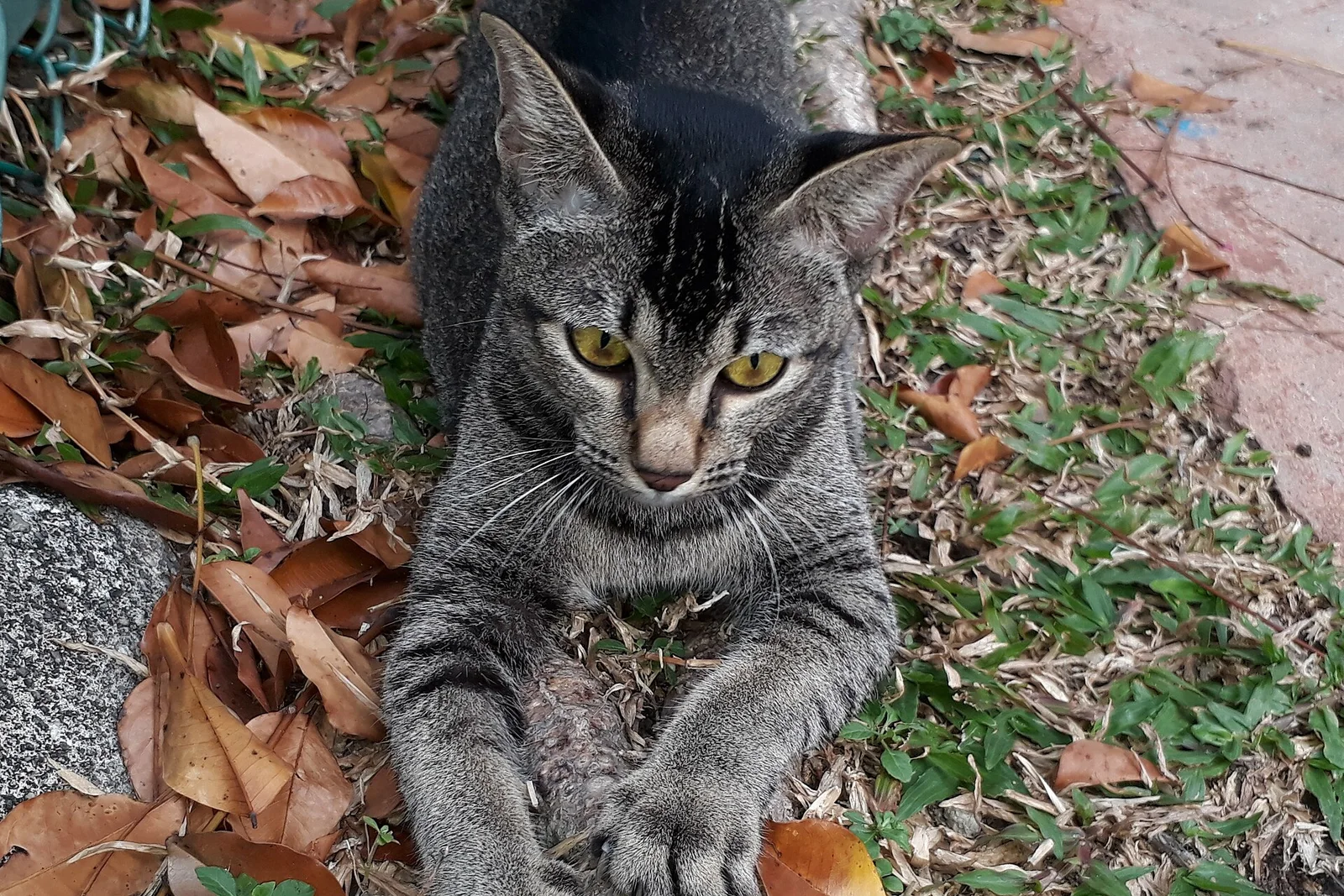
A humane furniture scratching plan that gives cats better scratch options and protects furniture while new habits form.