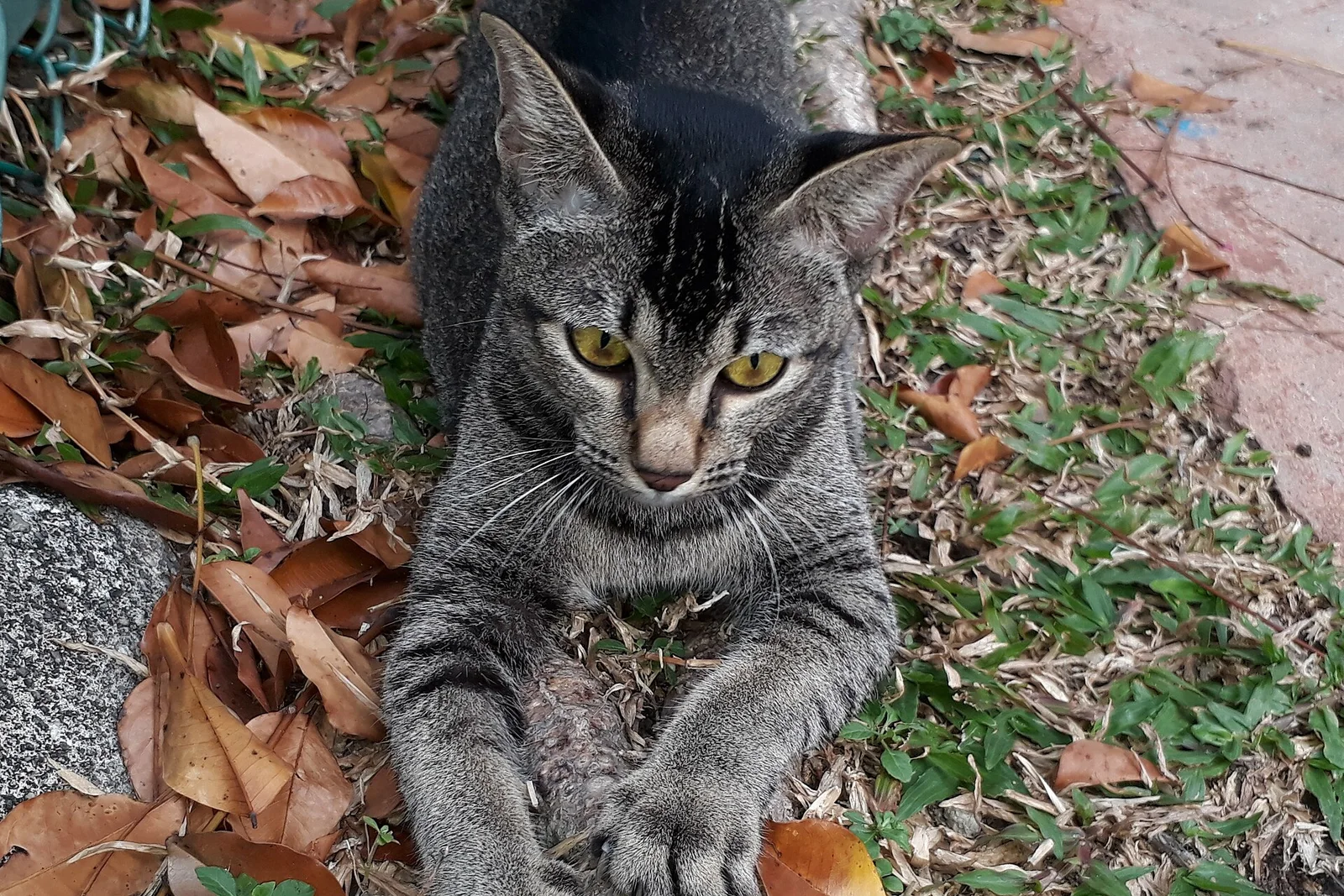
How to Stop Furniture Scratching Kindly: Redirect, Protect, and Reward
A humane furniture scratching plan that gives cats better scratch options and protects furniture while new habits form.
Tag
Articles and resources connected to training.
Cats train well when the lesson is built out of things they already want. Carrier practice, nail trims, brushing and being handled are all trainable, and they all follow the same shape: start with a version so easy the cat barely notices, reward, and stop while the cat is still relaxed.
The stopping rule is the part people skip. International Cat Care's grooming guide lists the signals that a cat is tolerating rather than enjoying an interaction — skin rippling, tail swishing, a sharp head turn toward your hand, suddenly freezing, ears rotating backwards, lip-licking, head shaking, or a growl. Those same signals show up during handling and carrier work, and they mean the session is over for today. Short sessions repeated across a week beat one long session that teaches the cat to hide when the carrier appears.
See choosing and practising with a carrier, calm nail trims and scratching redirection.
Reward placement is the detail that decides whether a plan survives the week. A treat that arrives after the cat has already walked away teaches nothing; a treat that arrives while the cat is still calm and in position is what the cat actually remembers. Keep sessions under a couple of minutes at first, and always end on a repetition the cat already finds easy. Repeat the same lesson across several days rather than stacking new steps in one sitting — carrier practice, brushing and paw handling all reward patience more than persistence.
A humane furniture scratching plan that gives cats better scratch options and protects furniture while new habits form.
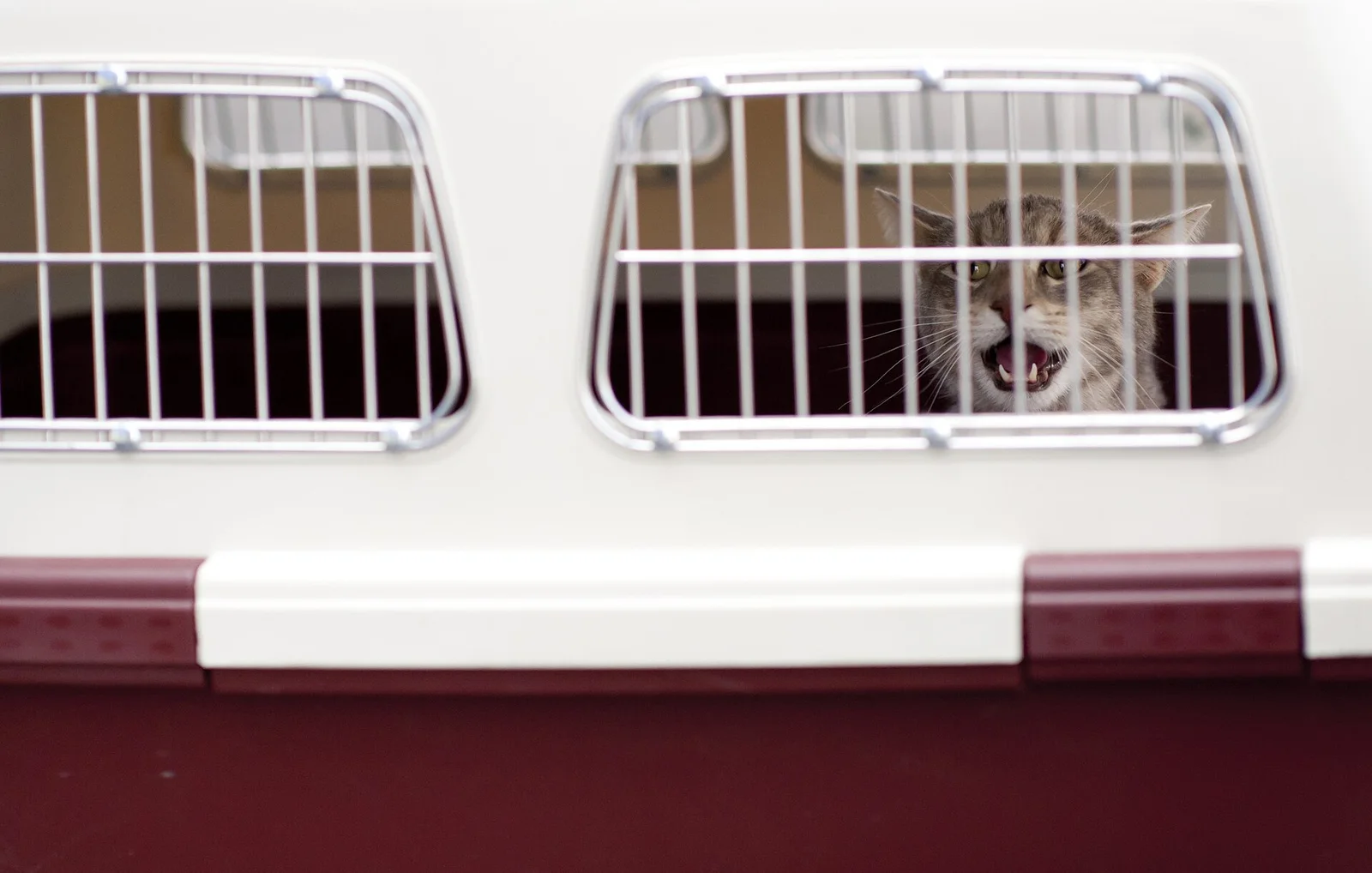
Pick a practical cat carrier and make it familiar with bedding, treats, short sessions, and calm transport habits.