Quick Answer
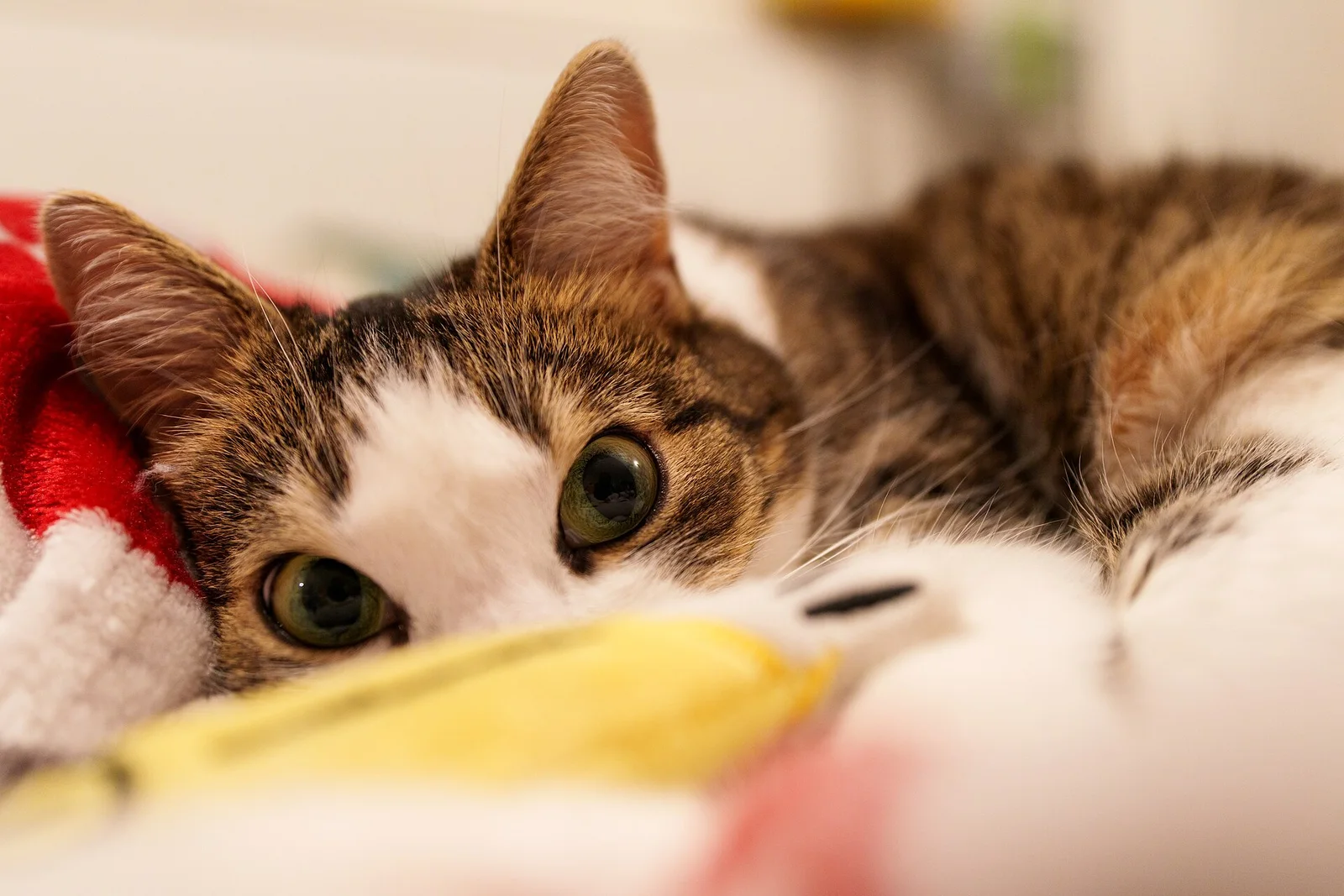
Cats stare for real reasons — it is not blankness and it is not a challenge. A relaxed stare with soft or half-closed eyes usually means trust, curiosity, or "I know the routine: you are the food person." A hard, wide-eyed stare with a tense body is different: it is how a cat gathers information about something it considers a threat. Your move depends on which stare you are getting — blink slowly back at a soft stare, and give space at a hard one.
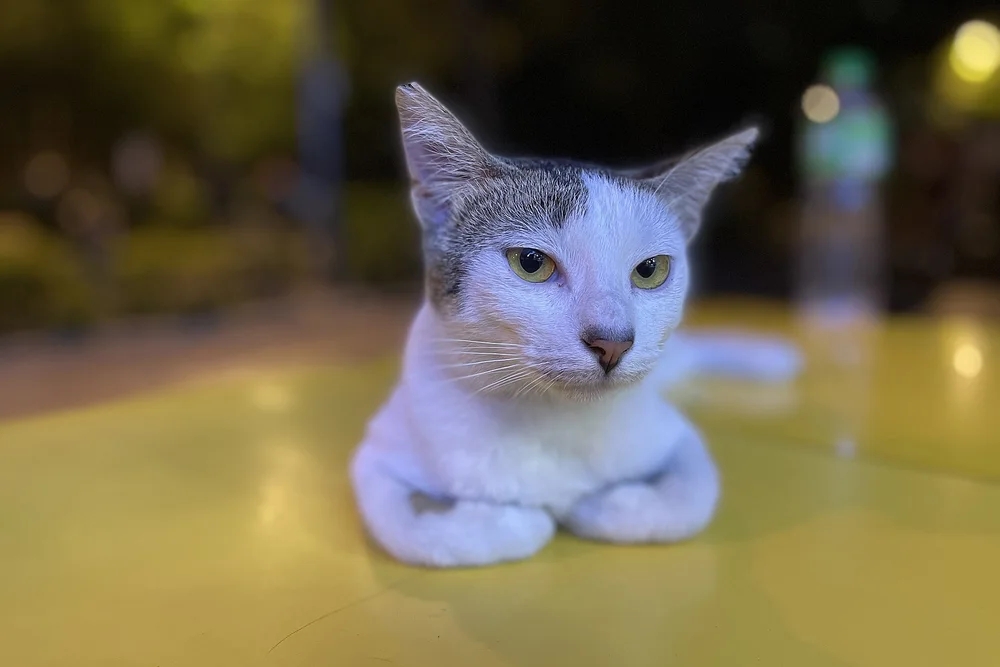
- Soft stare = communication. Relaxed lids, forward ears, loose body. Your cat is checking in with you. A slow blink back says "message received" (slow blinking is its own skill).
- Hard stare = tension. Wide eyes, dilated pupils, flattened ears, still or puffed body. Do not stare back, do not punish — look away and give your cat room to relax (International Cat Care: Cat Communication).
- Routine stare = cat clock. Staring at you before meals and play is a learned routine, not hunger desperation. Predictable schedules turn it down.
- Wall stare = usually energy, occasionally health. Staring at a corner before a zoomie is a classic "mad moment" of excess energy. A senior cat staring into space with other changes is a vet conversation.
What a Stare Actually Means
Cats use their eyes as signaling equipment. For a species that reads eye contact as meaningful, a stare is never neutral: it is either a friendly check-in, an information-gathering look at something concerning, or the pause before a hunt. International Cat Care describes it precisely: staring with wide eyes and little blinking shows up in antagonistic encounters between cats, but also when a cat is simply fixated on a threat and gathering more information — while relaxed eyes with blinking and winking, sometimes half-closed, are non-threatening signals that say the cat is content.
So the stare itself is not the read — the rest of the cat is. Two cats can stare at you with nearly identical intensity and be in completely different moods; the giveaway is the ears, the pupils, the whiskers, the tail, and how still the body sits. Read those four things and you will pick the right response nearly every time.
One more piece of context before the table: cats also stare at what they want. If staring reliably produces food, play, or a door opening, it is a trained behavior — you did not teach it on purpose, but the stare works, so it persists. That is why "demand staring" is usually the easiest staring problem to fix.
Reading the Stare: A Context Table
| The stare | What the body says | Your best move |
|---|---|---|
| Soft stare at you from your lap or across the room | Relaxed lids, slow blinks, ears forward, purring, loose tail | Blink slowly back, talk softly — this is affection and checking in |
| Stare at you near meal or play time | Body relaxed but expectant, often near the kitchen or toy drawer, sometimes a chirp | Keep the routine predictable; do not answer middle-of-the-night staring with food |
| Stare at a window, wall, or bug | Dilated pupils, twitching tail, chattering, head bobbing | Relax — that is hunting focus. Offer a wand-toy session so the hunt can finish |
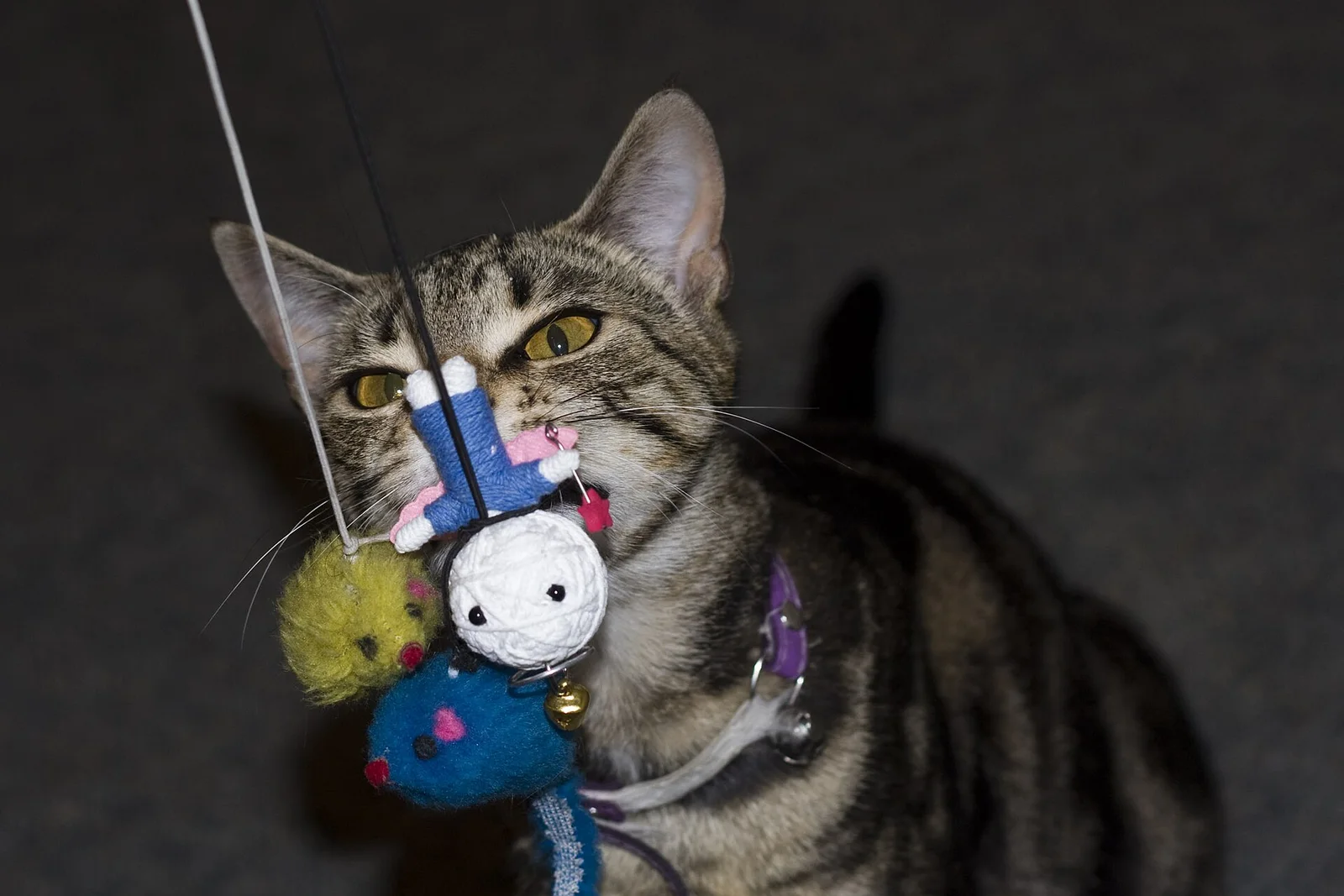
| Stare at you with a stiff body and flattened ears | Dilated pupils, ears back or out, tail lashing or tucked, skin rippling | Stop all handling, look away, let your cat leave. This is overstimulation, not attitude |
| Stare-down with another cat or pet | Stalking crouch, slow approach, ears rotated, occasional swat | Separate calmly, add resources (posts, perches, boxes), redirect with play |
| Blank stare into a corner, then sudden sprints | Wide pupils, no obvious target, then a burst of running | Normal "mad moments" — discharge the energy with a play session |
If you remember one distinction, make it this: a soft stare invites contact, and a hard stare asks for distance. Everything else — food stares, window stares, wall stares — is about resources, hunting, or energy.
Soft Stare vs. Hard Stare: The Five-Second Check
You can classify almost any stare in five seconds by scanning from the eyes down. First the eyes: soft and half-closed with normal pupils is content; wide open with big dark pupils is arousal — and dilated pupils are a documented sign of both fear and aggression, so that is your red flag, not the staring itself. Then the ears: forward means relaxed, flat-back on the head is aggression, flattened and held outward is fear. Then the whiskers: relaxed whiskers point out; tense whiskers fan forward or flatten against the face. Then the tail: a loose tail or a gentle tail-up is friendly, while whipping, thumping, or puffing means your cat is emotionally revved. And finally the body: a loose cat sits sphinx-like with paws tucked or lies bonelessly; a hard stare comes with stillness first and a puffed, sideways or crouched stance if it escalates.
One counterintuitive rule from cat language: looking away is polite. International Cat Care notes that threatened cats look away or blink rapidly to defuse an encounter — so if your cat breaks eye contact with you, that is de-escalation, not avoidance. You can use the same trick. When a cat stares at you hard, you look away first and the tension drops a notch.
Why Cats Stare at Walls and Corners
“My cat is staring at nothing” is almost always “my cat is staring at something humans are bad at detecting.” Cats hear high frequencies we cannot, notice tiny movements we miss, and have eyes tuned for low light. A stare at a spot on the wall is usually a moth, a spider, a sound in the wall, or a shadow shifting — and it is harmless. It can also be the calm before the storm: International Cat Care notes that a cat may stare into the top corner of the room before launching itself across the carpet, which is just excess energy finding an outlet.
The pattern worth a second look is different: a cat — especially a senior — who stares blankly at nothing for long stretches, on and on, particularly at night, especially with yowling, pacing, or apparent confusion. That combination is not a quirk; it is one of the reasons older cats get a veterinary work-up, because age-related conditions, sensory changes, and other medical issues can present exactly this way. A single wall stare followed by a sprint is a play date. A nightly ritual of blank staring plus disorientation deserves a vet call.
How to Respond — Stare by Stare
- Soft stare: meet it briefly, then blink slowly. If your cat blinks back or squints, you are having a conversation (here is the step-by-step).
- Hard stare at you: look away first. Turn your head, blink slowly, keep your body angled — never mirror the stare, and never use punishment. A startled or punished cat sharpens the fear that produced the stare in the first place.
- Demand stare (food, doors, laps): keep the schedule predictable and boring. Feed and play at consistent times and answer the stare with calm redirection — the behavior fades when it stops working.
- Stare at another animal in the house: break the staring contest before it escalates, then fix the environment rather than the cat — more resting spots, separate feeding stations, and outlets for the prey drive like daily wand-toy hunts.
- Window or wall stare: enjoy it, or channel it — a staring session at birds is enrichment; a staring session at a corner is often a request for exercise. Keep something to climb and chase in the room (enrichment basics here).
- The stare that feels off: if the behavior is new, intense, or paired with any change in eating, sleeping, or sociability, treat it as information about health, not mood — see the vet box below.
While you work on any of this, the single best tool is your own body language. Cats take their cue from how still and tense you are, so slow your movements and soften your face. A relaxed human de-escalates a staring cat faster than any technique.
When to Call a Vet
Book a visit if staring arrives with any of these: staring spells plus disorientation, pacing, or night vocalizing in a senior cat; pressing the head against walls or furniture (head pressing is a specific symptom, not a funny habit); staring episodes with drooling, twitching, or unresponsiveness; eye changes such as squinting, redness, or pawing at the face. Also see your vet if your cat has suddenly gone from friendly to hard-staring at you or other pets — pain and medical conditions can drive behavior changes, and Cornell advises ruling out medical causes before treating any behavior problem. Cat Cafe Central is educational content and cannot diagnose your cat; for anything sustained or worsening, contact your veterinary team.
Trusted Sources
Related Guides and Tools
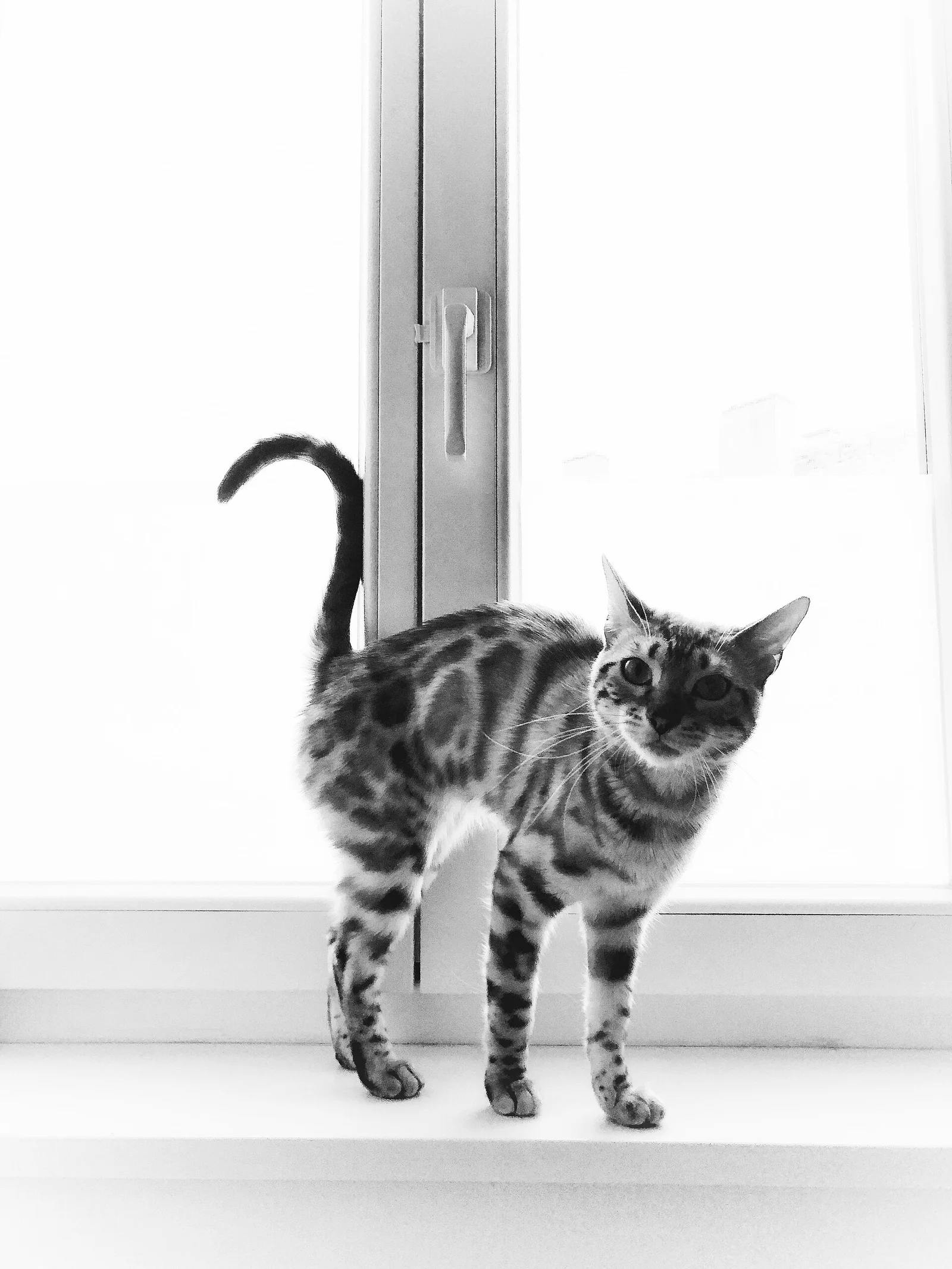
Understanding Cat Body Language: Ears, Tail, Eyes, and Distance
Learn how to read common cat body language signals so you can respond with less pressure and more trust.
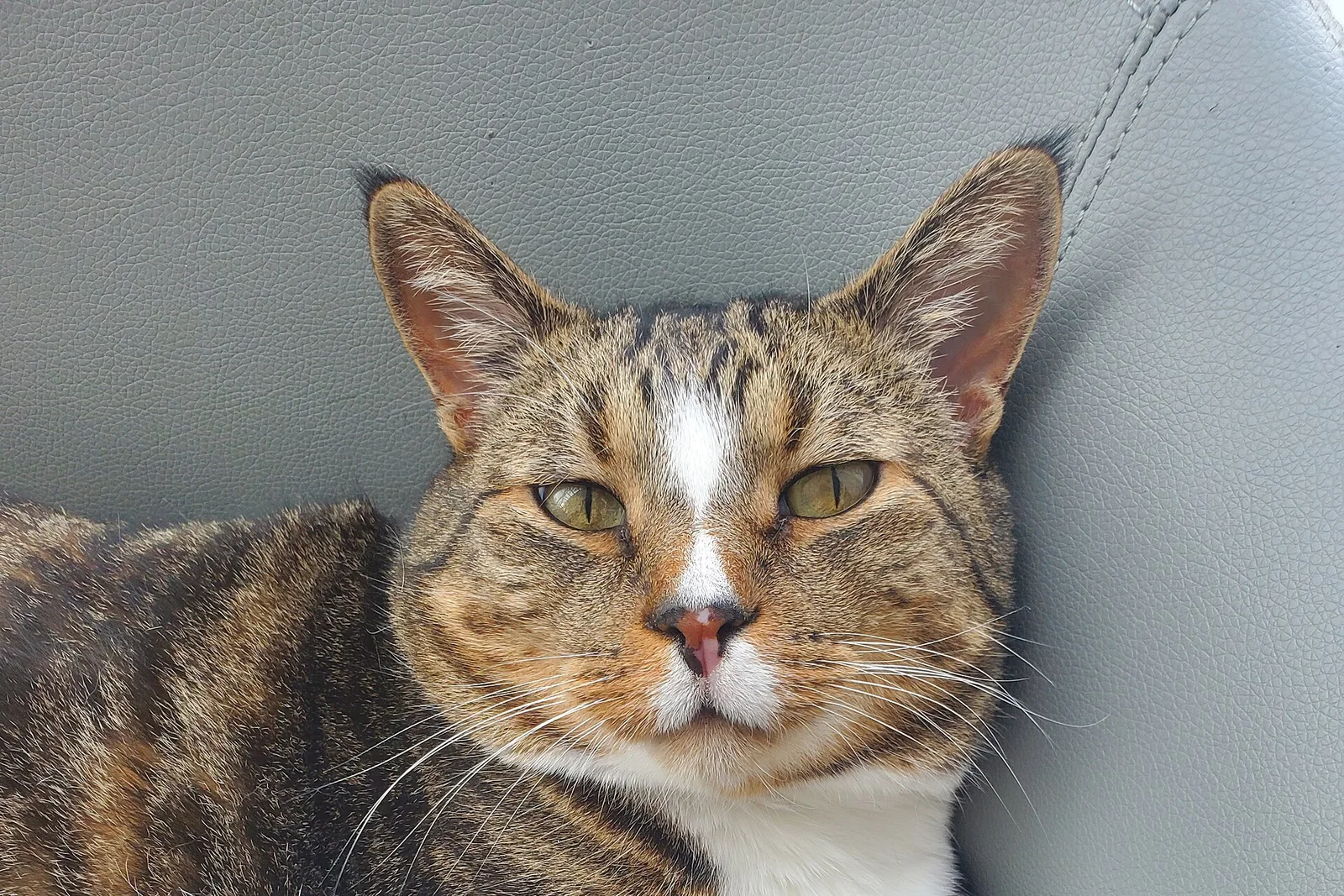
Cat Slow Blink Meaning: How to Talk to Your Cat With Your Eyes
A cat slow blink is your cat's way of saying I'm relaxed and mean no harm. Here's what it means, what science found, and how to slow blink back.
How to Build a Daily Play Routine Your Cat Actually Uses
Design a simple daily play routine around your cat's energy, favorite prey style, schedule, and wind-down needs.
Related glossary: Slow Blink, Prey Sequence.