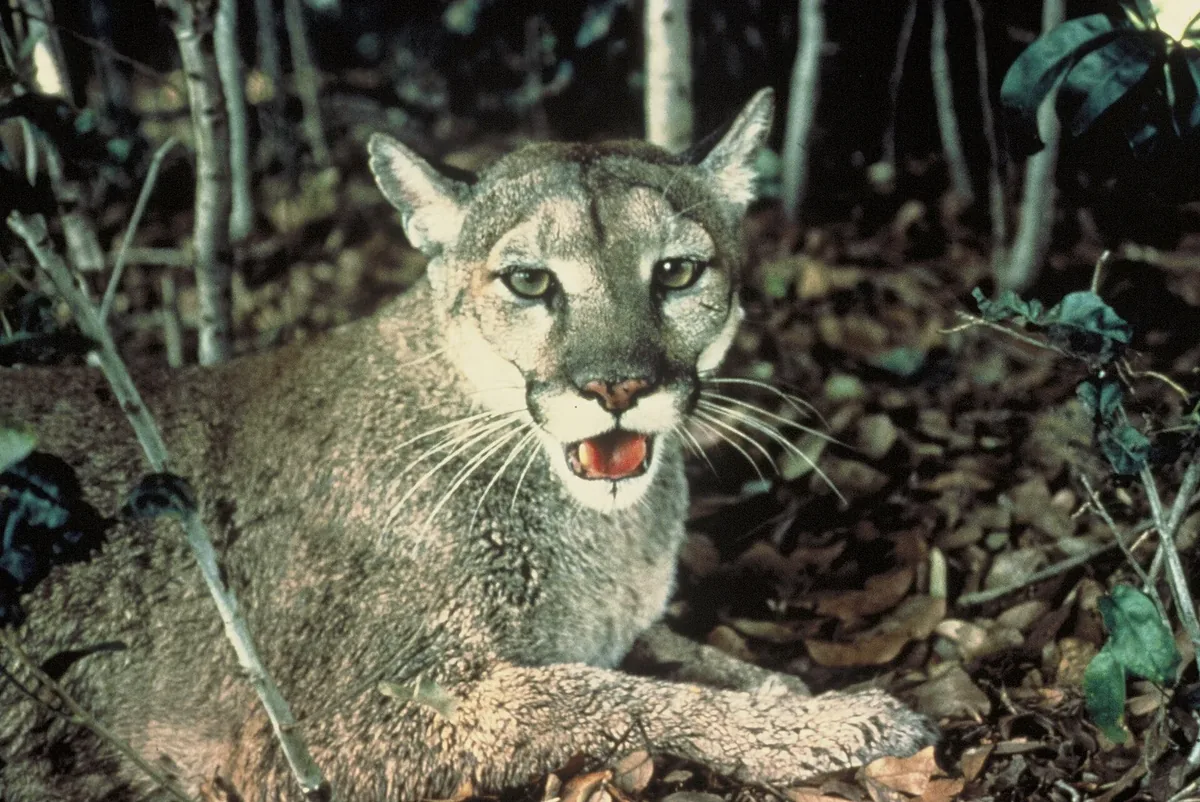
Wild Cats in Florida: Panther, Bobcat and Look-Alikes
Florida has two native wild cats: the endangered Florida panther and the bobcat. Ranges, sizes, tracks, safety and how to report a sighting — with FWC sources.
Category
Species guides for the wild cats of North America's states — what lives there, what you actually saw, and who to report it to.
Most searches for wild cats are really one of two questions. The first is a planning question: which wild cats actually live where I am? The second arrives after the fact, usually at dusk, usually with a phone already in hand: what did I just see? A state-level guide answers both, because wild cat lists are not national — they are local, historical and increasingly political, and the difference between a bobcat and a panther is the difference between a common animal and a federal case.
These guides are built from the wildlife agency that manages the animals in each state: Florida Fish and Wildlife Conservation Commission, the Georgia Department of Natural Resources' Wildlife Resources Division, and the Michigan Department of Natural Resources, with the U.S. Fish and Wildlife Service for federal listing status. Every figure below is the agency's own, and every guide links the page it came from so you can check it.
| State | Resident wild cats | Rare or protected possibilities | The one thing to know |
|---|---|---|---|
| Florida | Florida panther (Puma concolor coryi) and bobcat (Lynx rufus) | None additional — Florida’s list really is two species | About 120–230 adult panthers remain, with the core population south of Lake Okeechobee; sightings go to FWC |
| Georgia | Bobcat, statewide and common | Eastern cougar is extinct (federally delisted 2018); three credible mountain lion sightings in 25 years, all Florida panther related | Claw marks in a large track mean dog, coyote or bear — cats retract their claws |
| Michigan | Bobcat, hunted and trapped in regulated seasons | Canada lynx (state and federally protected, rarely recorded); cougar (endangered in state, confirmed dispersers since 2008, no breeding population) | A cougar or large cat may only be killed in Michigan if it is a direct and immediate threat to human life — and the incident must be reported |
Two habits of mind make these guides easier to read. First, size and tail length identify a cat in poor light, not colour — Michigan DNR publishes its own side-by-side comparison because cougar and bobcat coats are nearly identical. Second, a big cat report is data, not a verdict: agencies want the observation, the photo and the location, and they use it to track dispersal, disease and range.
If you are here because of a sighting near your home, the safest summary is the same in every state: give the animal an exit, keep pets in at night, never feed wildlife, and report anything sick, injured or genuinely unusual to the state agency rather than to a comment section.
Sources: Florida Fish and Wildlife Conservation Commission — Florida Panther Program, Georgia DNR — Mountain Lion Sightings Not Likely in Georgia, Michigan DNR — Cougars and U.S. Fish and Wildlife Service — Canada lynx.
Florida has two native wild cats: the endangered Florida panther and the bobcat. Ranges, sizes, tracks, safety and how to report a sighting — with FWC sources.
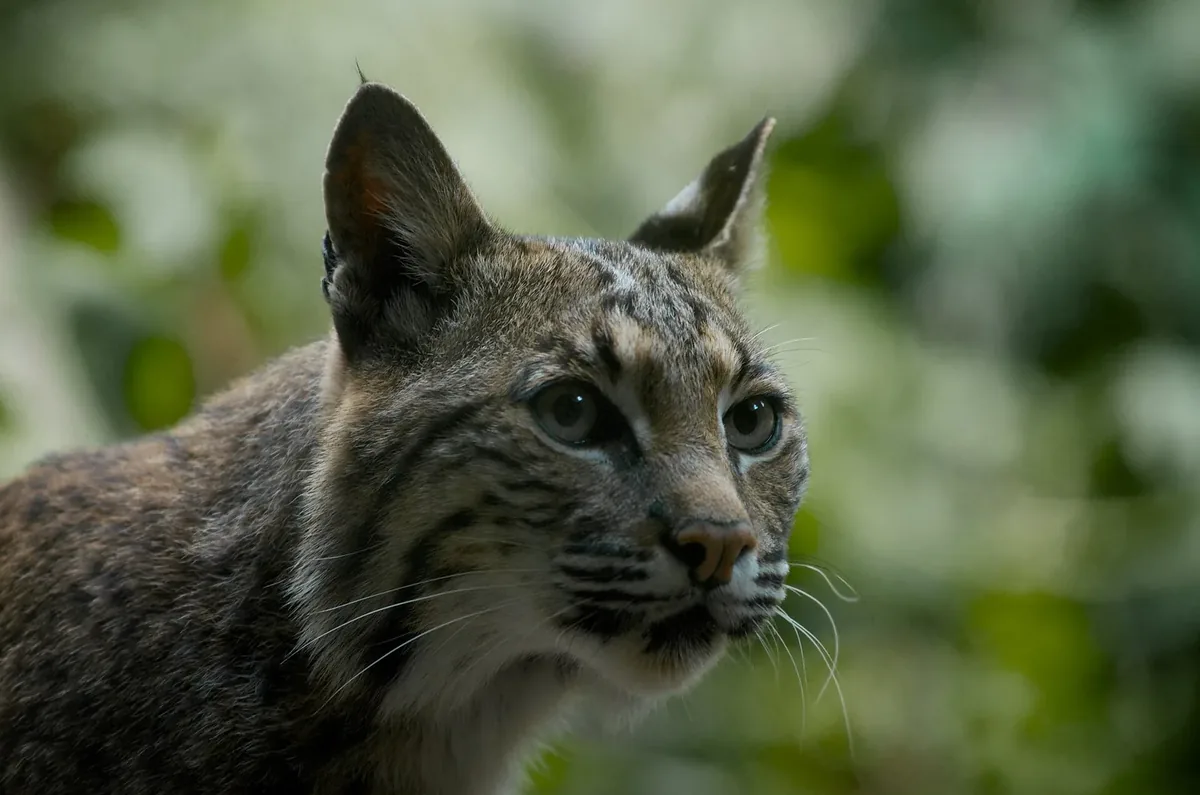
Georgia has one resident wild cat — the bobcat. Cougars are extinct in the east; here is what the state's records actually show, with Georgia DNR sources.
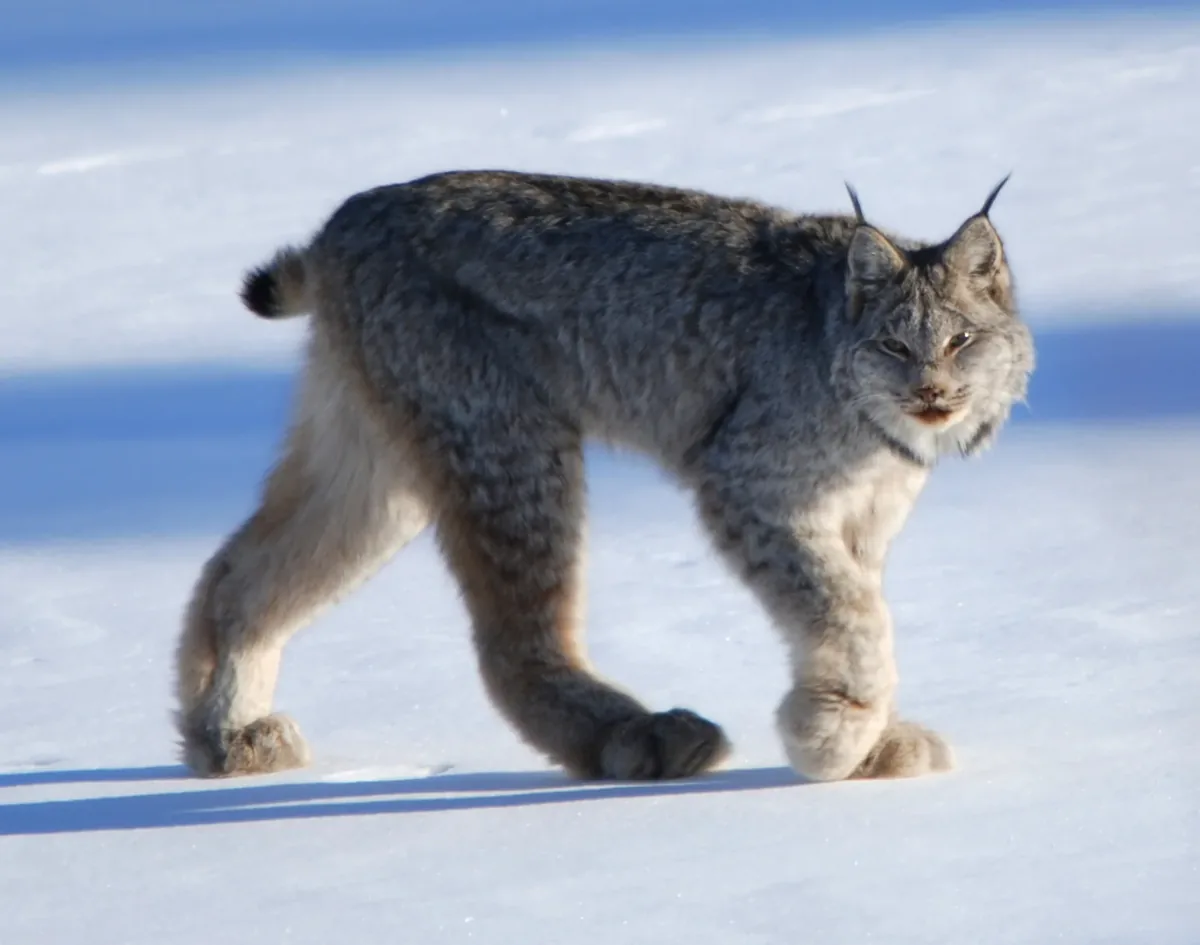
Michigan's wild cats: the common bobcat, the protected Canada lynx, and cougar reports — with Michigan DNR facts, sizes and track identification.