Quick Answer
Michigan has one common wild cat — the bobcat (Lynx rufus) — plus two far rarer possibilities. The Canada lynx is on Michigan's threatened and endangered species list and is federally threatened across its contiguous-U.S. range, with only occasional animals turning up here. The cougar was wiped out of Michigan around the early 1900s and is listed as endangered in the state, yet young males dispersing from western populations have produced confirmed sightings since 2008 — with no evidence of a breeding population.
- Bobcat: 10–40 lb, body about 3½ feet, tail roughly 6 inches, ears pointed with small tufts. Common in the north and the Upper Peninsula, and expanding.
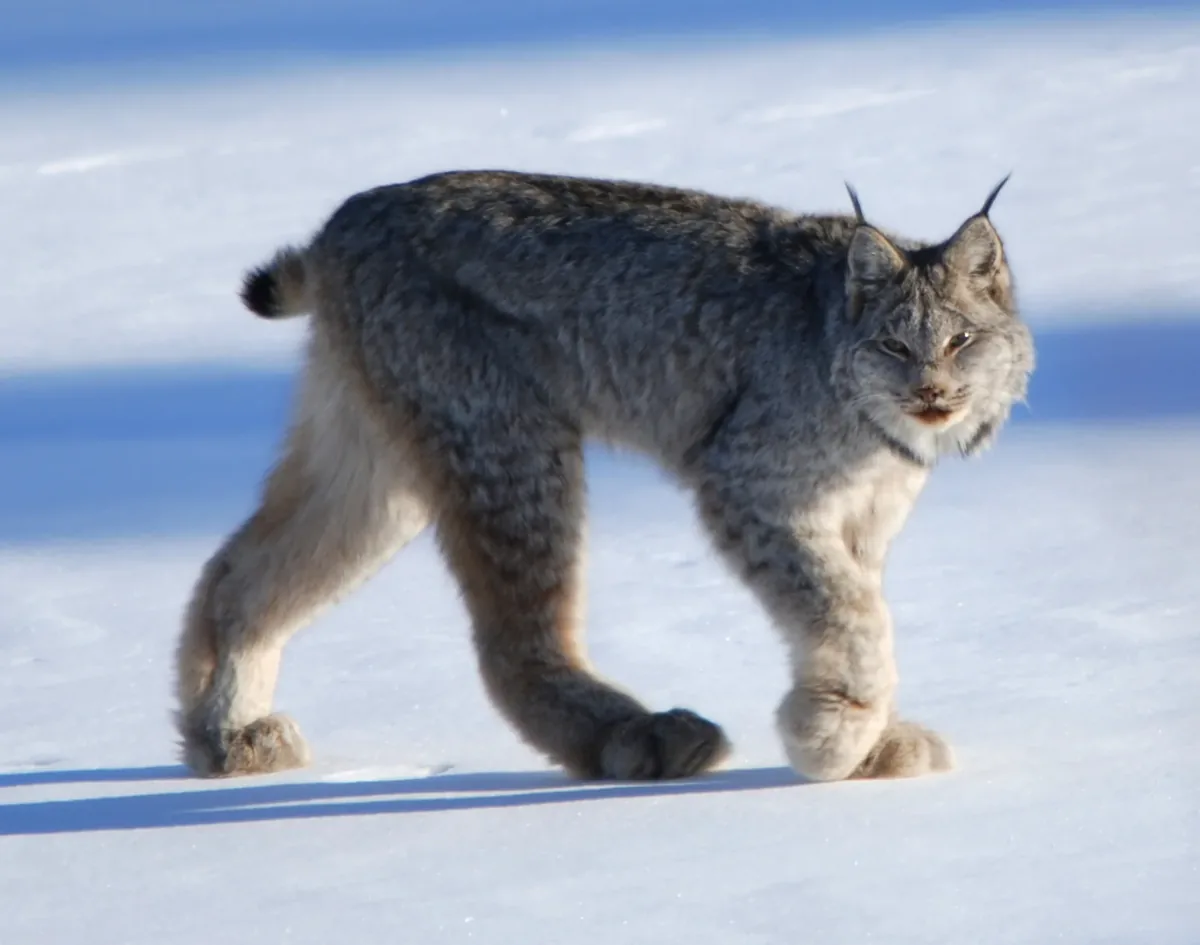
- Canada lynx: 15–30 lb, grizzled grey, huge paws and long hind legs built for deep snow. Rare and protected — do not pursue one.
- Cougar: 75–180 lb, body 5–6 feet, tail 2½–3½ feet. Report it: the DNR wants the observation, not the animal.
- Reading tracks: feline tracks rarely show claw marks; cougar tracks average about 3½ × 4 inches, bobcat tracks about 1½ × 1⅜ inches.
Which Wild Cats Live in Michigan?
Michigan's wild cat story is really two stories overlapping. One is a success story about the bobcat, which is common enough to be a regulated furbearer with a hunting and trapping season. The other is a story about ghosts: a native cougar population that was gone by the early 1900s, a Canada lynx that exists here only at the edge of its range, and a steady trickle of confirmed reports that keeps both questions alive.
| Species | Scientific name | Size | Status in Michigan |
|---|---|---|---|
| Bobcat | Lynx rufus | Body about 3½ feet, tail about 6 inches; adults 10–40 lb (Michigan DNR) | Native and resident; hunted and trapped in regulated seasons, with free kill tags required for anyone harvesting one (Michigan DNR trapping page) |
| Canada lynx | Lynx canadensis | 15–30 lb; length 30–35 in (USFWS) | On Michigan's threatened and endangered species list (Michigan DNR T&E list); federally threatened DPS since 2000 |
| Cougar | Puma concolor | Body 5–6 feet, tail 2½–3½ feet; 75–180 lb (Michigan DNR) | Listed as endangered in Michigan; no established breeding population, but confirmed sightings since 2008 |
The Bobcat: Michigan's Resident Wild Cat
The bobcat is the cat you have a realistic chance of seeing. Michigan manages it as a furbearer, which tells you something about abundance: residents who intend to harvest a bobcat must request and be issued a free kill tag, and that tag has to be replaced by an official DNR seal at a registration station (Michigan DNR). Wildlife managers do not run tag systems for animals that are scarce.
The DNR publishes its own size comparison for the state's cats, and it is the fastest way to rule out a bobcat on a night-time sighting: a bobcat is a compact animal with a body around three and a half feet long, a tail of only about six inches, pointed ears with small tufts, and an adult weight somewhere between 10 and 40 pounds. Colour is similar to a cougar — plain yellowish to red-brown with black on the ear tips and tail end — which is exactly why body proportions, not colour, are what identify a cat in bad light.
| Compare | Cougar | Bobcat |
|---|---|---|
| Body length | 5–6 feet | About 3½ feet |
| Tail | 2½–3½ feet, heavily furred | About 6 inches |
| Adult weight | 75–180 lb | 10–40 lb |
| Ears | Rounded, no tufts | Pointed, small tufts of fur |
| Coat | Plain yellowish to red-brown; black tail tip and ear tips | Similar colour; young of both species are spotted |
The Canada Lynx: Rare, Protected, and Built for Snow
The Canada lynx is a boreal forest specialist, and Michigan sits on the southern edge of what it can use. Canada lynx were designated a distinct population segment and listed as threatened under the Endangered Species Act in 2000, and the USFWS describes resident breeding populations as occurring in northern Maine and New Hampshire, northeastern Minnesota, Montana and Idaho, Washington and Colorado — with areas including Michigan's Isle Royale also falling within the listed range. Outside those cores, lynx appear only intermittently, typically during irruption events when snowshoe hare populations collapse in Canada (USFWS Canada lynx).
Michigan's own list of threatened and endangered species includes Lynx canadensis, which means the practical rules are the strict ones: if you see a large, grey, tufted-eared cat with oversized paws, you are looking at a protected species and a genuinely notable record. Keep your distance, do not follow it, and report it to the DNR. Field marks that separate it from a bobcat are the lynx's exceptionally large paws, long hind legs, longer black ear tufts and a tail that is short but completely black-tipped.
Cougars in Michigan: Confirmed Cats, No Population
Michigan DNR's own history is blunt. Cougars were native to Michigan but were wiped out around the early 1900s; the last known wild cougar legally taken in the state was in 1906 near Newberry. In recent years the agency has received numerous sighting reports and has confirmed many sightings since 2008 — including two illegal harvests in the Upper Peninsula — and it explains the pattern the same way neighbouring states do: young males dispersing from core range in the western United States (Michigan DNR — Cougars).
That is the honest summary of "are there cougars in Michigan": yes, individual animals show up and are confirmed, and no, there is no established breeding population. Michigan lists cougars as endangered, and the DNR keeps a public photo record of confirmed sightings and an online reporting form for new ones. If you have physical evidence — scat, tracks, a carcass — the agency's guidance is emphatic: do not disturb the area, and report it (Michigan DNR cougar observation report).
Cougars are solitary, secretive and mostly nocturnal, preferring rural or remote areas with cover and adequate prey, and their primary wild prey over most of their range is deer — with livestock and domestic dogs occasionally taken (Michigan DNR — Cougar characteristics).
Identifying Michigan Cat Tracks
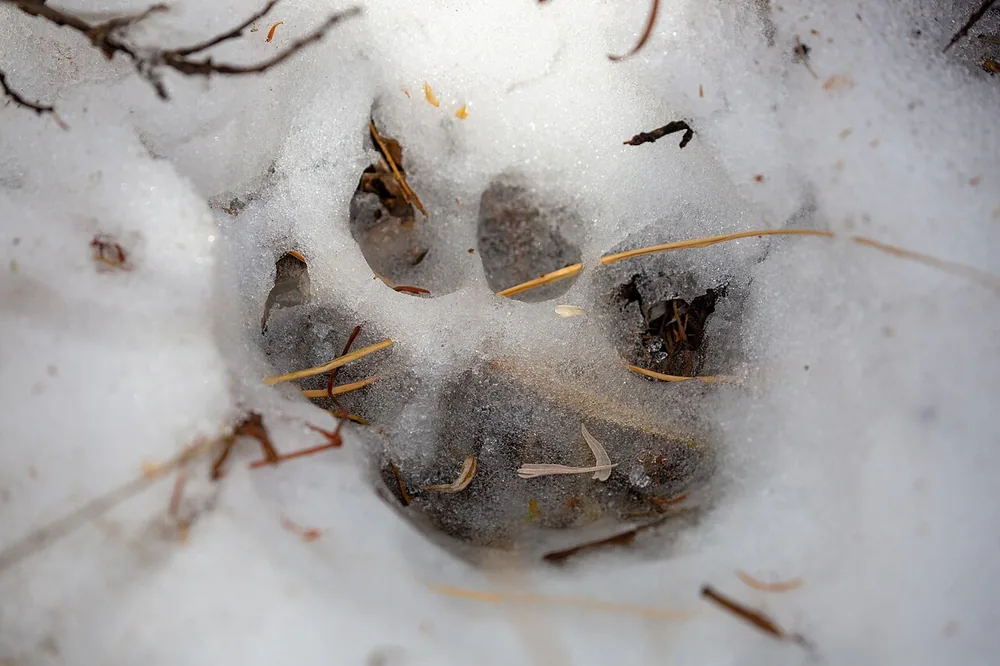
Michigan DNR publishes a two-step method that settles most arguments in the snow. First, decide whether the track is canine or feline: canine tracks have definite claw marks, one lobe at the front of the heel pad and two at the rear, and they are typically longer than they are wide. Feline tracks rarely show claw marks, have two lobes at the front of the heel pad and three at the rear, and read square or circular. Then check the size.
| Track | Typical size | Claw marks |
|---|---|---|
| Cougar | About 3½ in tall by 4 in wide | Rarely visible |
| Bobcat | About 1½ in by 1⅜ in | Rarely visible |
| Coyote and other canids | Longer than wide | Usually clearly visible |
A "cougar track" that shows claws is almost always a large dog. A track that is cat-shaped but small is a bobcat doing exactly what bobcats do across the northern Lower Peninsula and the Upper Peninsula. Photograph the track next to something for scale, note the location and the snow conditions, and send it in rather than guessing.
Living With Large Cats in Michigan
Michigan DNR's advice for cougar country is written for people who may never need it, and it is worth thirty seconds of your attention anyway:
- If you encounter one: face the animal, stand tall, wave your arms and talk in a loud voice. Do not act submissive.
- Never run. If children are present, pick them up so they cannot run.
- If attacked, fight back with whatever is available — do not play dead.
- Report the encounter to local authorities and the DNR as soon as possible.
To discourage large cats around a home or farm, the DNR suggests keeping pets indoors or in a covered outdoor kennel, especially at night; installing outdoor lighting with motion sensors; fencing and sheltering livestock at night; and — the recurring theme — not feeding wildlife, because feeding prey species attracts predators (Michigan DNR — Living with cougars).
The legal detail matters more in Michigan than in most states, because cougars are listed as endangered here. Under the Large Carnivore Act, a cougar or large cat that is a direct and immediate threat to human life may be killed, and the incident must be reported to the DNR. Wild cougars may not be killed by the public in defence of pets or livestock without a permit. An animal that appears tame or unafraid of people is likely an escaped pet, and that is a call to the DNR, not to a rifle.
For pet owners the practical version is the same as anywhere: a cat outdoors at night is prey-sized, and indoor life is the safer default. Our guides to cat-proofing your home and indoor enrichment cover the two halves of that trade — safety and satisfaction — and a covered outdoor run gives an indoor cat fresh air without the dusk walk.
Michigan's mix of a common bobcat and rare protected visitors is echoed in other states, and the differences are worth knowing before you read a report as either a certainty or a hoax: Florida has a resident breeding panther population, while Georgia has bobcats and a cougar record that is entirely historical. The Wild Cats section gathers all three state guides in one place.
Trusted Sources
- Michigan DNR — Cougars (species page)
- Michigan DNR — Cougar characteristics, size comparisons and track identification
- Michigan DNR — Living with cougars
- Michigan DNR — Threatened and endangered species list (Lynx canadensis)
- Michigan DNR — Trapping and fur harvesting (bobcat season and kill-tag rules)
- U.S. Fish and Wildlife Service — Canada lynx
Related Guides and Tools
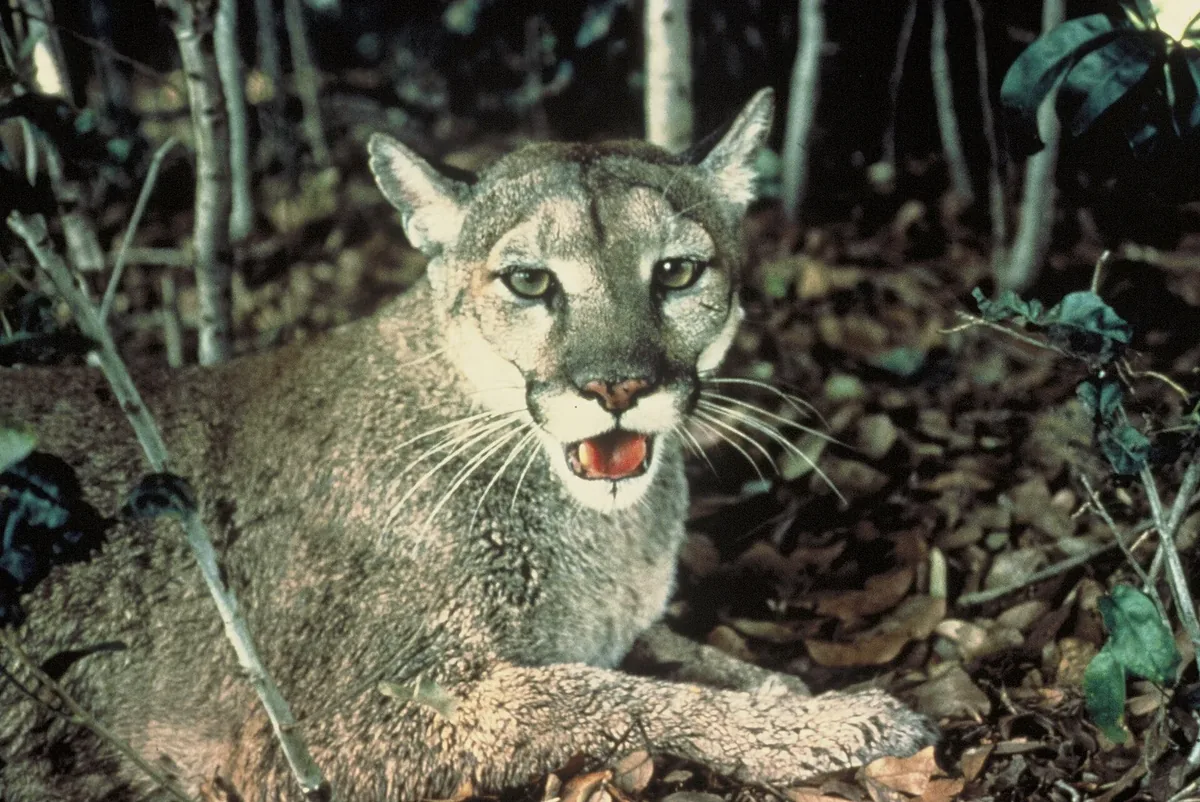
Wild Cats in Florida: Panther, Bobcat and Look-Alikes
Florida has two native wild cats: the endangered Florida panther and the bobcat. Ranges, sizes, tracks, safety and how to report a sighting — with FWC sources.
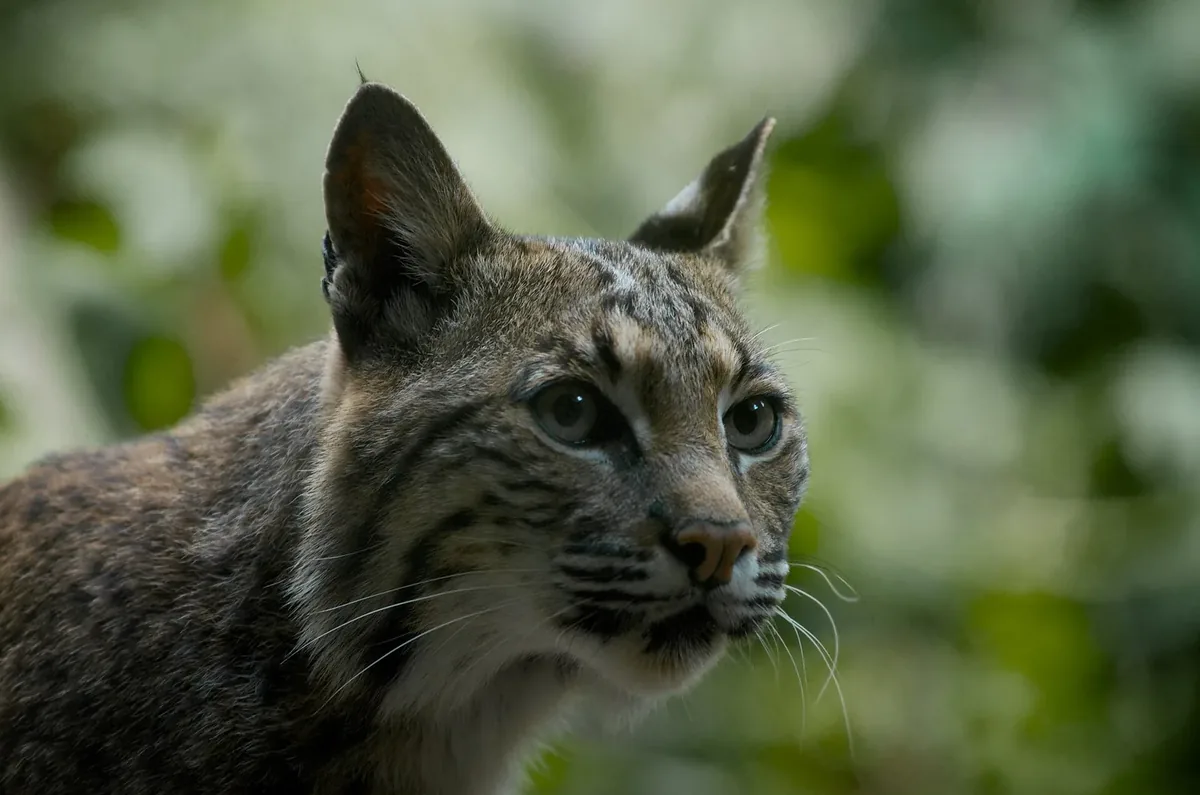
Wild Cats in Georgia: Bobcats Today, Cougars Gone
Georgia has one resident wild cat — the bobcat. Cougars are extinct in the east; here is what the state's records actually show, with Georgia DNR sources.
How to Cat-Proof Your Home Room by Room
A room-by-room cat-proofing guide for cords, plants, small objects, windows, cleaners, food hazards, and hiding spots.
Related glossary: Territory, Enrichment.