Quick Answer
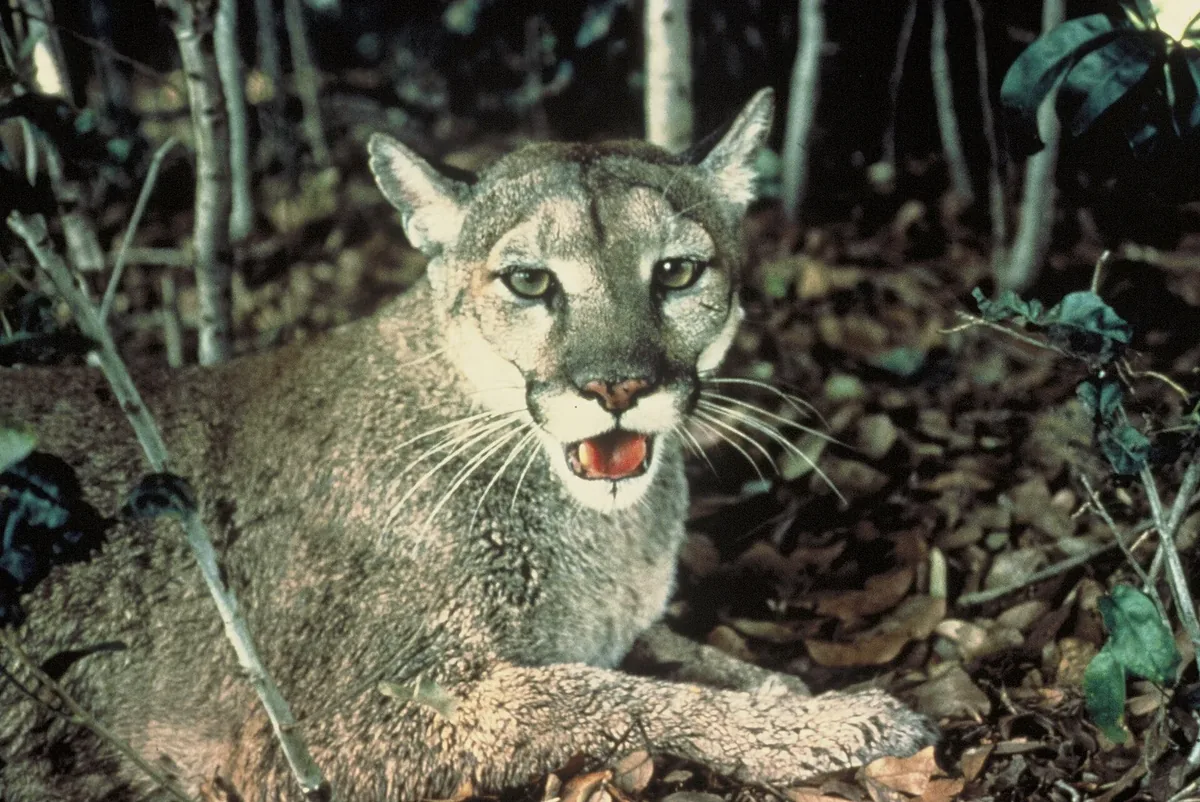
Florida has two native wild cat species: the endangered Florida panther (Puma concolor coryi) and the bobcat (Lynx rufus). The Florida Fish and Wildlife Conservation Commission (FWC) puts the panther population at roughly 120–230 adults, with the core breeding population south of Lake Okeechobee, while bobcats live statewide and are common — just rarely seen. Both are protected: panthers are listed as endangered under the Endangered Species Act and it is illegal to harm or harass them in any way.
- Big cat with a long tail, plain tan coat, no spots: almost certainly a Florida panther. Report it at MyFWC.com/PantherSightings.
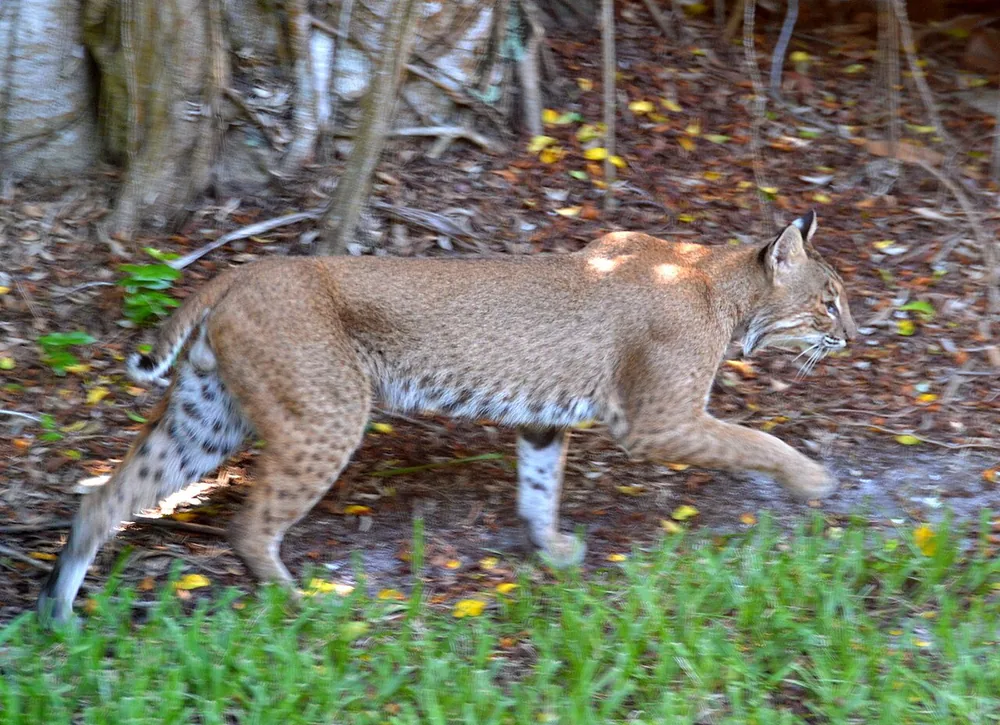
- Smaller cat, short "bobbed" tail, streaked coat, pointed ears with small tufts: a bobcat — the one most Floridians actually meet.
- Sick, injured or dead panther: call the FWC Wildlife Alert Hotline at 888-404-FWCC (3922) (or #FWC / *FWC from a cell phone).
- Never feed or approach either species. Keep cats indoors at night, secure chickens and pet food, and give any wild cat a wide exit.
Which Wild Cats Live in Florida?
Searches for "wild cats in Florida" usually hide a second question: what did I just see? Florida is a big state with a lot of undeveloped edge habitat, and it holds exactly two naturally occurring cat species. Everything else people report is one of those two — or a large domestic cat, or something with a bobbed tail moving fast at dusk.
| Species | Scientific name | Typical adult size | Where in Florida | Legal status |
|---|---|---|---|---|
| Florida panther | Puma concolor coryi | Large tawny cat with a very long tail; adults are roughly the size of a big dog | Documented throughout much of the peninsula and into Georgia; core population south of Lake Okeechobee (FWC Panther Program) | Endangered under the Endangered Species Act; harming or harassing is illegal |
| Bobcat | Lynx rufus | About twice the size of a domestic cat; tan to yellowish brown, short tail | Statewide — deep forest, swamps and hammock land; "numbers are abundant" but seldom seen (FWC bobcat profile) | Native; managed as wildlife, not a pet species |
| Feral and free-roaming domestic cats | Felis catus | House-cat size, variable coat | Everywhere people are | Domestic animals; bobcats will occasionally take one (FWC) |
That short list is the whole picture for naturally occurring wild cats. Florida's panther, puma, cougar and mountain lion are not four animals — they are four names for the same species, Puma concolor, with the Florida population recognised as its own subspecies.
The Florida Panther: How Many, and Where
The FWC's own count is approximately 120–230 adult panthers. FWC describes panthers as the larger of Florida's two native cat species and says they have been documented throughout much of the peninsula and even into Georgia, with the core population south of Lake Okeechobee. A cat of that size needs territory, cover and prey — mostly deer and wild hogs — and the remaining habitat is concentrated in southwest Florida, which is why the panther story is mostly a story about land, roads and space.
Two things follow from the numbers, and both matter to anyone living near the range. The first is that every sighting is data: FWC asks the public to submit panther sightings, including trail-camera footage, through MyFWC.com/PantherSightings. The second is that the population is small enough that each animal matters, which is why the agency tracks births and deaths publicly through its Panther Pulse bulletins and a mortality dashboard (FWC Panther Pulse).
A disorder worth knowing about
FWC is investigating a disorder detected in some Florida panthers and bobcats called feline leukomyelopathy (FLM). Affected animals show rear-leg weakness that makes walking difficult. The first video of an affected kitten arrived in spring 2018; the cause has not been determined, the condition is believed to be permanent, and no evidence suggests it is contagious. So far FLM has only been found in Florida (FWC — Disorder Impacting Panthers and Bobcats). If you film a panther or bobcat struggling with its hind legs, FWC asks you to send the footage in; that public reporting is how the monitoring works.
The Bobcat: The Florida Wild Cat You Will Actually Meet
Bobcats are distributed statewide, and FWC notes that seeing one in daylight is not unusual because they sleep in short bursts of only two to three hours at a time. They hunt mostly at night and mostly by sight, and their diet in Florida leans on squirrels, rabbits and rats — with the occasional feral cat or backyard chicken, which is the practical reason a bobcat sighting is a reason to check your coop and your cat door rather than a reason to panic.
| Bobcat detail | What FWC documents |
|---|---|
| Size and look | About twice the size of a domestic cat; tan to yellowish brown with dark streaks; white underparts with black spots; short, "bobbed" tail; pointed ears with short black tufts |
| Habitat | Deep forest, swamps and hammock land; dense saw palmetto and shrub thickets matter as den and resting sites |
| Home range | Five or six square miles in rural areas, shrinking to one or two miles in urban and suburban settings |
| Breeding season | August to March in Florida, peaking February and March; one to four young after a 50–60 day gestation |
| Activity | Hunts by sight, usually at night; a daytime sighting is not abnormal |
That shrinking urban home range is the interesting number. A bobcat in a suburb is not lost — it is a bobcat whose territory now includes greenways, retention ponds and the edge of your yard. FWC's guidance for living alongside them is mostly about not creating an invitation: no outdoor pet food, no accessible chickens, no compost full of scraps, and no reason for a wild cat to treat a porch as a pantry.
Panther, Bobcat or House Cat? A Field Comparison
Most reports arrive in bad light and in a hurry, so the useful question is not "how big was it?" but "what did the tail and the coat do?" Tail length alone separates the panther from the bobcat in almost every real sighting.
| Feature | Florida panther | Bobcat | Domestic / feral cat |
|---|---|---|---|
| Tail | Long, thick, plain, with a dark tip — roughly 60–75% of body length | Short and "bobbed", a few inches | Medium to long, but thin and never bushy |
| Coat | Plain tawny tan, no spots as an adult | Tan with dark streaks and spots; white underparts with black spots | Any pattern — tabby, tuxedo, calico |
| Ears | Rounded, no black tufts | Pointed with short black tufts | Variable; no tufts |
| Legs and paws | Long legs; broad, heavy paws | Legs marked with black bars on the insides; paws neat and compact | Short, slim legs |
| Overall read | Chest-high to a person, long-bodied, unhurried | Knee-high, low-slung, stalking posture | Ankle-high |
Tracks are the next best evidence, and FWC publishes two handouts for exactly this: "Panther or bobcat? Know the differences" and an E-Z guide to identifying panther tracks. The general rule with any cat track is that cats retract their claws: if the print shows clear claw marks, you are looking at a dog, a coyote or a bear.
Living Alongside Florida's Wild Cats
FWC's own advice for people in panther country is short and practical, and it doubles as good bobcat advice. Do not feed wildlife — a fed predator loses its caution and gains a reason to stay. Keep pets indoors or in secure enclosures, especially at night. Protect livestock and chickens with fencing and shelter rather than relying on luck. Report anything unusual, and never handle a dead or injured wild cat yourself.
For cat owners, the honest version of this advice is that a pet cat outside at dusk is prey-sized, and a bobcat taking a free-roaming cat is documented behavior, not a rare accident. The quieter, kinder fix is to make indoors worth staying in: our guide to cat-proofing your home room by room covers the windows and hazards, and indoor enrichment basics covers the climbing, scratching and hunting outlet that keeps an indoor cat from feeling short-changed. A screened porch or a supervised harness walk gives most cats the outdoor hour they want without the dusk risk.
Panther range is not the whole state, and neither is the bobcat question. If you are further north, our companion guides cover wild cats in Georgia and wild cats in Michigan; the Wild Cats section collects all three state breakdowns, and a calm settling routine is what keeps a newly adopted cat indoors on purpose rather than by accident.
How to Report a Sighting or a Problem
Florida's reporting paths are specific, and using the right one saves a biologist time:
- Any panther evidence — photos, tracks, trail-cam footage: submit it through FWC's panther sightings page.
- Sick, injured or dead panther, or a livestock depredation: call the FWC Wildlife Alert Hotline on 888-404-FWCC (3922), or #FWC / *FWC from a mobile phone; FWC also takes these reports online through its Wildlife Alert system.
- A bobcat acting unusually: contact your regional FWC office. Never corner, trap or relocate a wild cat yourself, and never feed it to keep it around.
What not to do is just as well documented. Do not bait a cat into range for a photo. Do not let a sighting turn into a story about a "black panther" — melanism in this species is not documented in Florida, while dark-phase and shadow-obscured bobcats are everywhere.
Trusted Sources
Related Guides and Tools
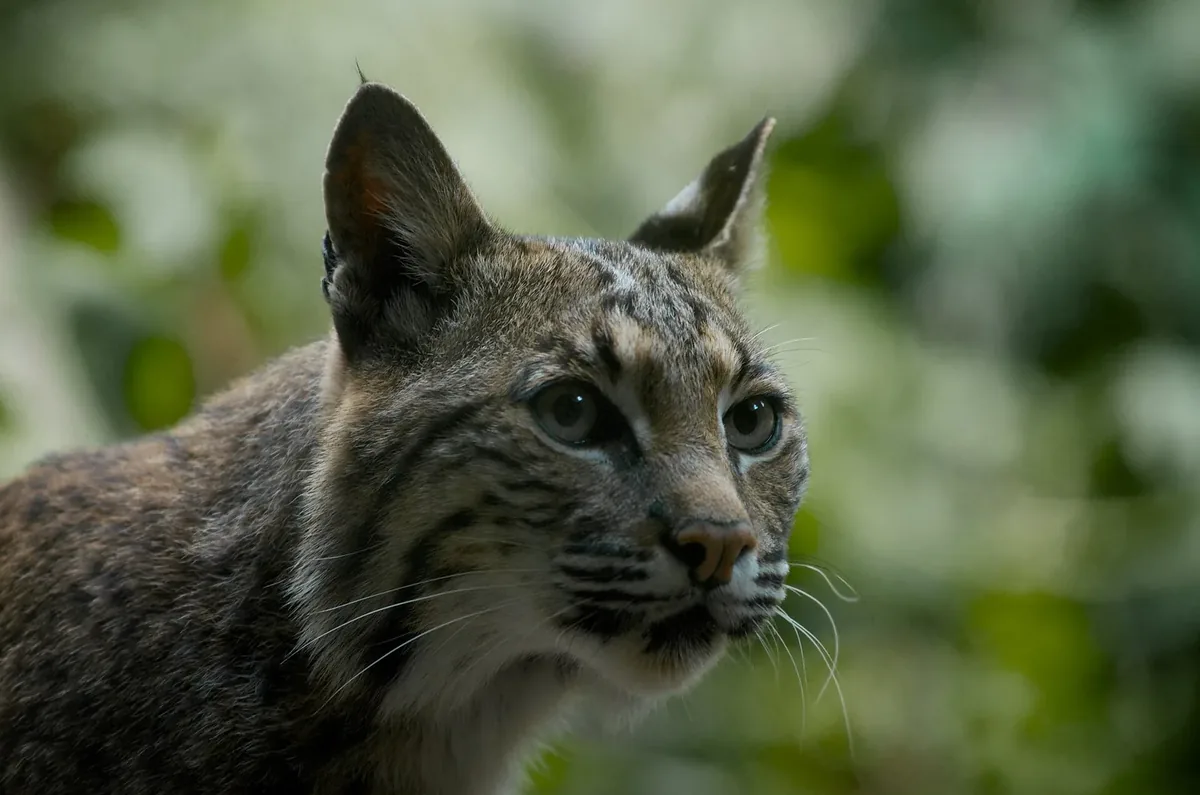
Wild Cats in Georgia: Bobcats Today, Cougars Gone
Georgia has one resident wild cat — the bobcat. Cougars are extinct in the east; here is what the state's records actually show, with Georgia DNR sources.
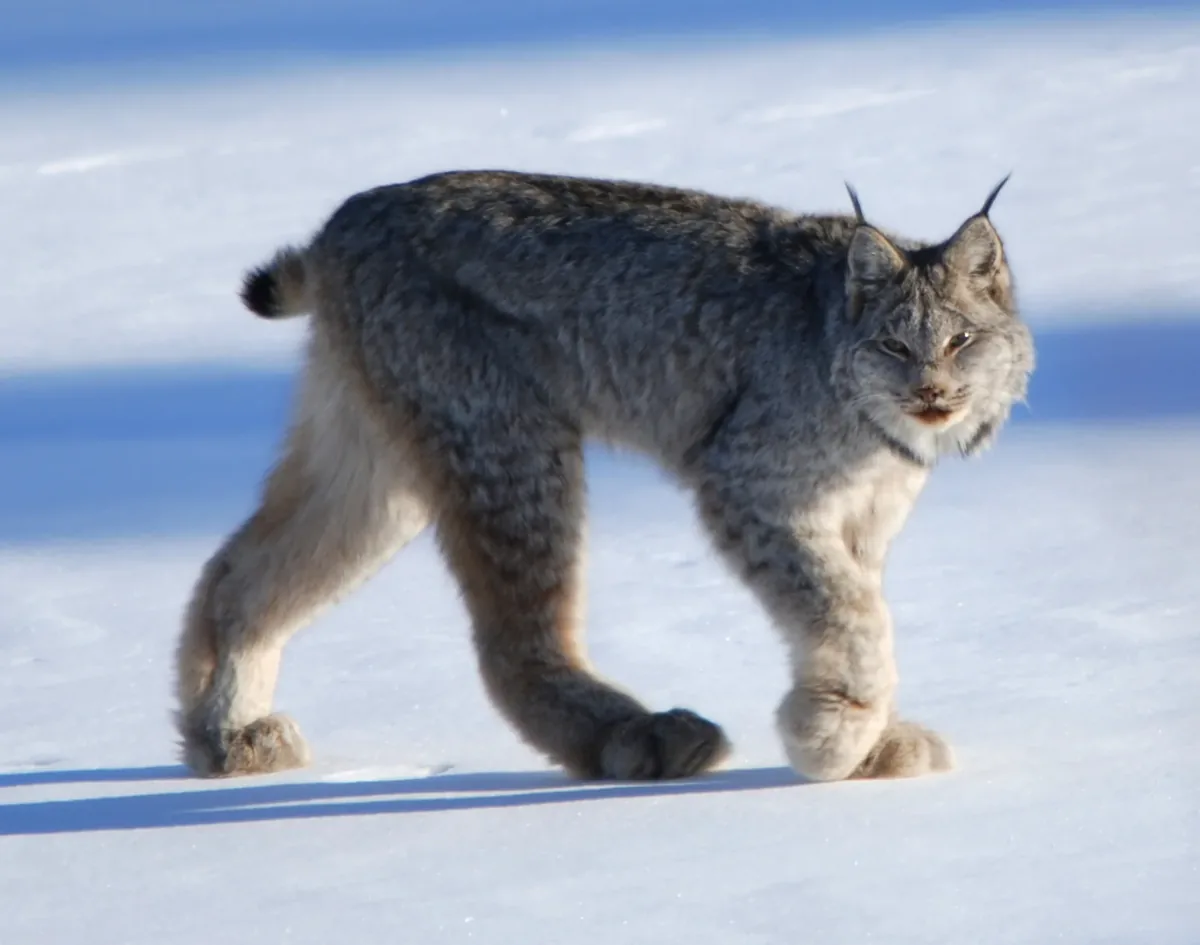
Wild Cats in Michigan: Bobcat, Lynx and Cougar Reports
Michigan's wild cats: the common bobcat, the protected Canada lynx, and cougar reports — with Michigan DNR facts, sizes and track identification.
How to Cat-Proof Your Home Room by Room
A room-by-room cat-proofing guide for cords, plants, small objects, windows, cleaners, food hazards, and hiding spots.
Related glossary: Territory, Prey Sequence.